Houthi strikes kill at least 58 Saudi-backed troops
Houthi strikes on August 7 killed at least 58 Saudi-backed Yemeni troops, officials said, hitting Marib and Hadramout with missiles and drones.
Mateo Fernandez ·
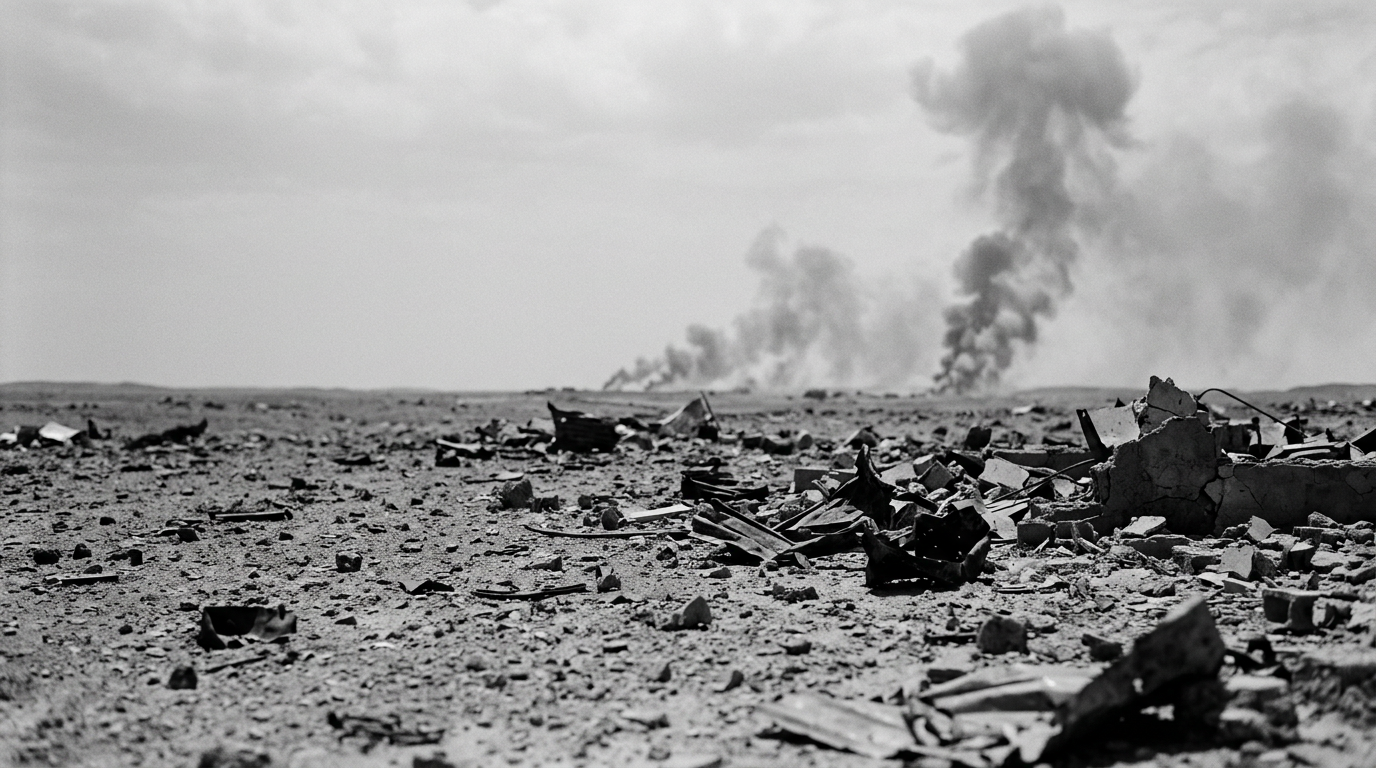
Houthi forces killed at least 58 Saudi-backed Yemeni government troops on August 7, officials said, in what they described as the deadliest bout of fighting in Yemen since 2022.
Officials said the attacks used missiles and drones and struck positions in Marib and Hadramout, where pro-government units have been concentrated. They framed the incidents as a renewed risk to regional stability.
Strikes reported in Marib and Hadramout
Officials said the casualty figure came from local authorities and military spokespeople, who reported that the strikes hit forward positions and encampments of Saudi-backed forces. They said the toll reflected losses sustained in those targeted locations.
Those providing the tally did not immediately identify the specific units involved or report broader command-level losses, according to the same accounts. The absence of those details left the full operational impact unclear beyond the reported number of killed troops.
Officials point to missiles and drones
Officials said the scale of the August 7 attacks, combining guided munitions and unmanned systems, highlighted what they called the operational reach of the Houthi campaign. They described the day’s losses as the heaviest single-day toll since 2022.
Yemen’s conflict has repeatedly shifted between phases of intense battlefield activity and periods of reduced violence since the war began, with frontlines and force concentrations changing across multiple governorates. In this context, officials said the latest strikes raised the risk that localized clashes could develop into broader escalation.
August 10 seen as a signal for escalation risk Officials said a public military or diplomatic response from Riyadh or the Saudi-led coalition by August 10 would be an indicator of whether the fighting could widen into sustained escalation. They added that if no formal reaction is issued by that date, it could suggest a pause in official countermeasures.
Officials urged restraint and warned that additional strikes could complicate humanitarian access. They also said a further deterioration in security could affect nearby maritime routes, and they called for international attention to what they described as unfolding violence.
For now, officials said, the immediate picture remains defined by the reported death toll, the use of missiles and drones, and uncertainty over whether the conflict will see a broader response in the days following the attacks.