Hormuz Traffic Drops to Lowest Since May After Tanker Strikes
Commodity vessel traffic through the Strait of Hormuz fell to 10 per day, the lowest since May, following recent tanker strikes and regional tensions.
Mateo Fernandez ·
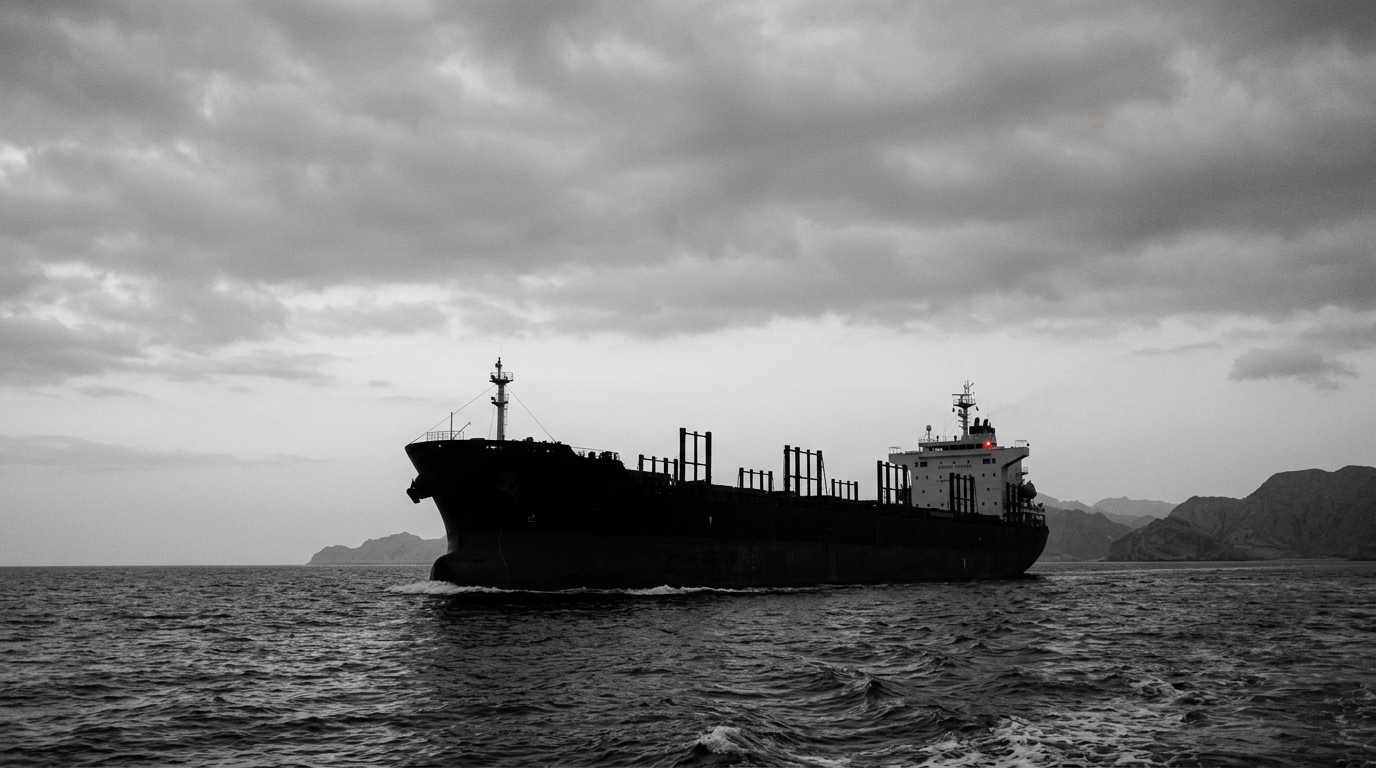
Commodity vessel traffic through the Strait of Hormuz has decreased significantly, reaching its lowest average since May, amidst heightened regional tensions and recent tanker incidents. Data indicates that daily transits through the critical chokepoint averaged just 10 vessels over a recent 10-day period. This decline follows a prior average of more than 15 vessels on Friday and nearly 13 on Saturday, according to Kpler data. On Saturday, only two commodity vessels navigated the strait, while six passed through on Sunday, with most utilizing the Iranian route.
Naval Engagements and Retaliation Claims
Real GDP Growth2.1%USA 2026 — IMF (↑ prev: 2.0%)Inflation (CPI)2.4%USA 2026 — IMF (↓ prev: 2.7%)Unemployment Rate4.1%USA 2026 — IMF (↓ prev: 4.2%) The reduction in vessel movement coincides with reports of naval engagements in the region. Officials stated that U.S. forces struck three Iranian oil tankers on Saturday, including one located off Kharg Island. These actions reportedly followed an attack by Iran's Islamic Revolutionary Guard Corps (IRGC) on U.S. warships in the same area. The IRGC navy subsequently announced that it had retaliated by targeting three tankers on unauthorized routes, alongside three additional U.S. vessels elsewhere. The U.S. Navy had previously indicated an increase in escort operations through the waterway, yet traffic figures suggest fewer successful transits occurred after the weekend strikes. Increased Maritime Risk and Supply Chain Impact Maritime intelligence firm Marisks has assessed the risk level in the Strait of Hormuz and the Gulf of Oman as 'extreme' for Iranian or Iran-linked tonnage. The firm also noted a higher risk for U.S.-linked or U.S.-escorted shipping. Further indicating the deteriorating security situation, UK Maritime Trade Operations has recorded 27 projectile strike incidents affecting vessels around the strait since July 6. The disruption extends beyond crude oil, impacting refined products as well. LSEG data revealed that a refined products tanker, after loading from a Saudi port, attempted to exit the strait but was forced to turn back. Kpler data also showed no very large crude carriers had exited the strait since Wednesday.
Economic Pressures and Future Outlook
The tightening of this vital chokepoint has immediate implications for the global oil market. The decline in transit volumes suggests potential pressures on freight rates, insurance premiums, and the landed cost of crude oil. Observers are keenly awaiting fresh vessel count data, expected on Monday, September 7, 2026, to determine if naval escorts are effectively facilitating completed exits or if these cost pressures will persist. The Strait of Hormuz is a crucial artery for global energy supplies, with its constricted flow potentially leading to wider economic reverberations.