Hormuz tensions raise oil supply risk
Iranian officials said they would not give up control of the Strait of Hormuz, keeping energy security risks high.
Mateo Fernandez ·
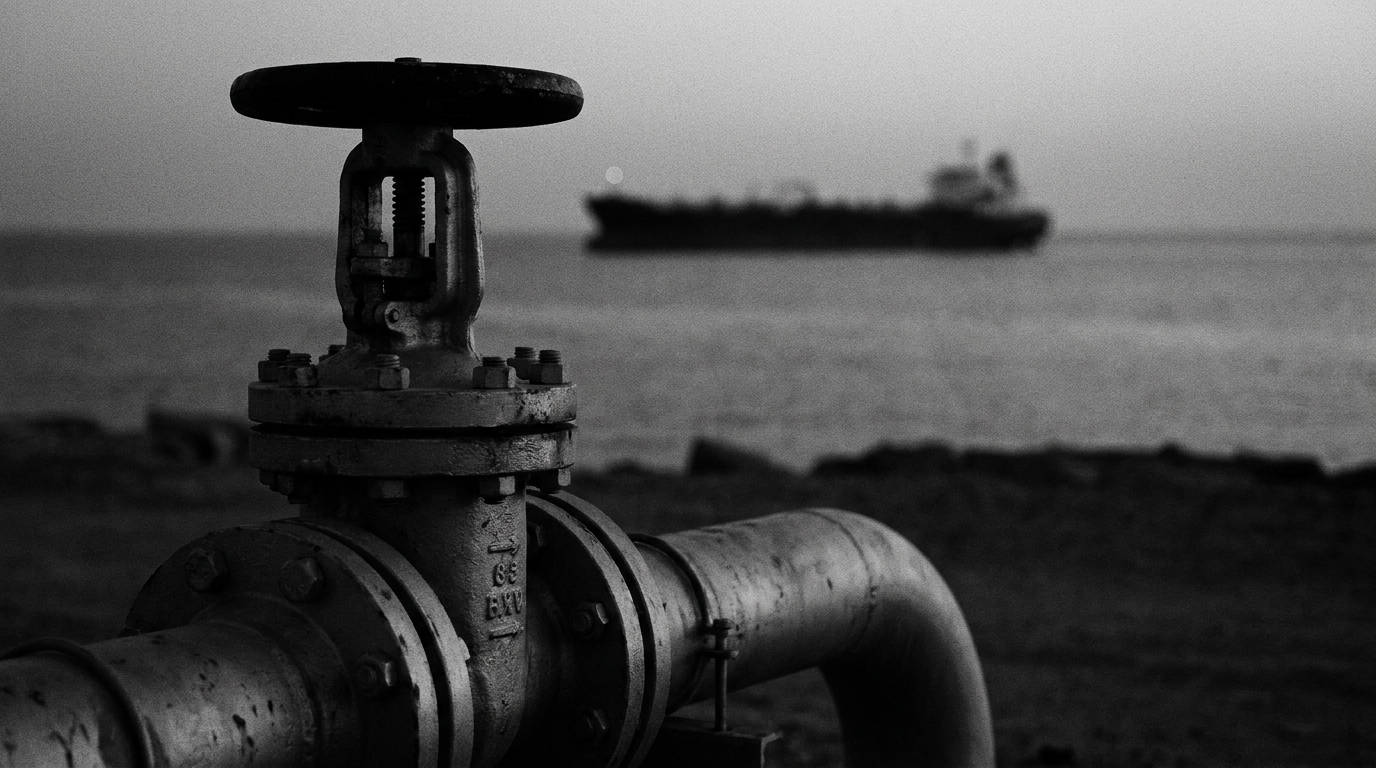
Tensions around the Strait of Hormuz rose Sunday after Iranian officials said they would not give up control of the waterway, placing a core oil transit route at the center of a worsening confrontation with the United States. Reaction in energy markets was not yet available.
Hormuz threat hits oil risk
Officials in Iran described the Strait of Hormuz as a strategic deterrent and signaled that pressure from Washington would not alter that position. Senior adviser Mohsen Rezaei and Mojtaba Khamenei vowed retaliation after an unverified report of the killing of Ayatollah Ali Khamenei, adding another point of uncertainty to an already volatile regional standoff.
US President Donald Trump warned of overwhelming military retaliation against any attack on American interests. The competing threats raise the risk that a political confrontation could spill into energy flows, shipping insurance, naval deployments or broader regional security calculations.
For energy markets, the mechanism is direct
if vessels face disruption, higher insurance costs or delayed passage through the Strait of Hormuz, crude supply risk would rise before any physical shortage is confirmed.
If the threats stay verbal, oil prices may still carry a geopolitical
premium while traders wait for signs of military movement or shipping disruption.
Over the next 24 hours from July 12, the key test is whether officials on either side issue operational orders, clarify the reported killing claim, or move military assets near the strait.