Hormuz voyages jump as oil downside pressure builds
Ship transits through the Strait of Hormuz rose sharply, easing immediate supply fears and putting attention back on crude fundamentals.
Mateo Fernandez ·
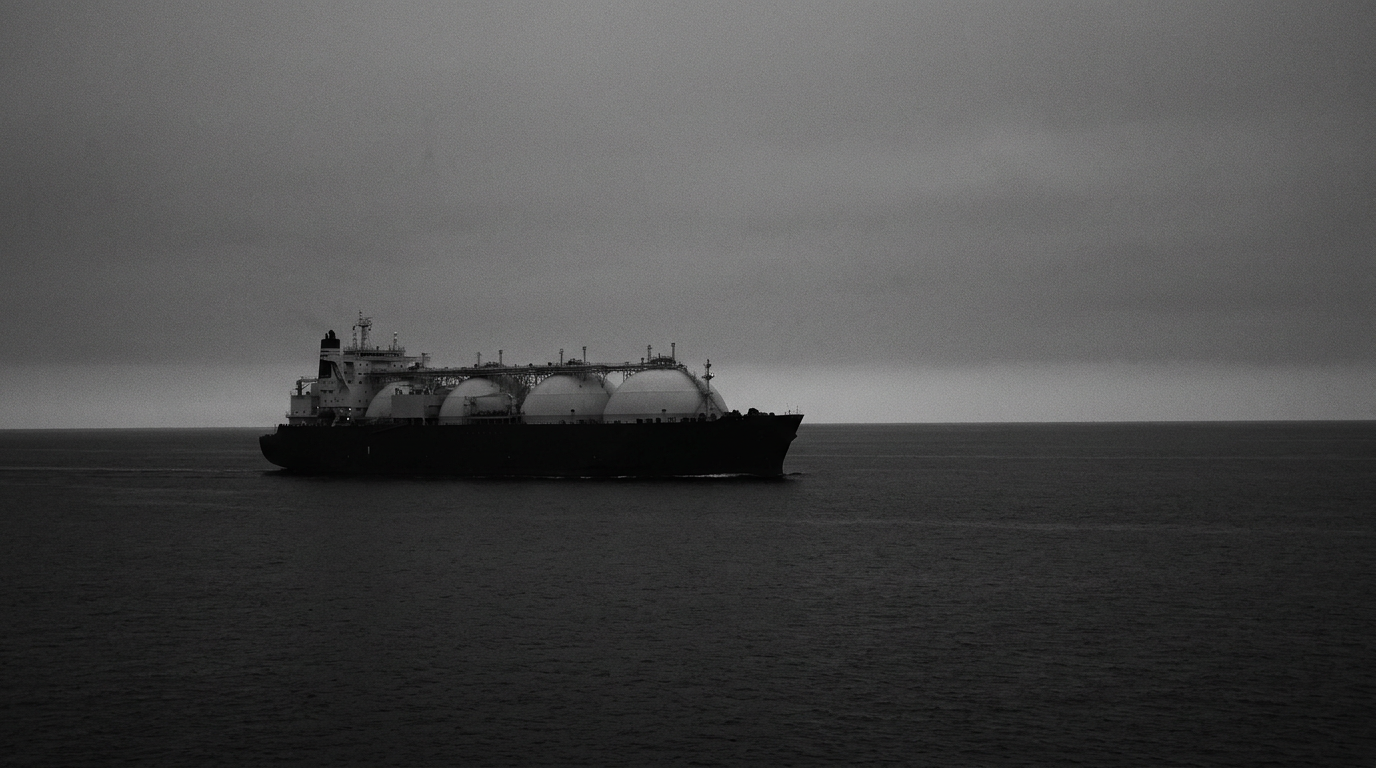
Ship voyages through the Strait of Hormuz have risen sharply over the past week, easing one of the main supply fears hanging over crude markets. Data showed traceable daily journeys into and out of the Gulf increased to eight on July 1 on a seven-day moving average, up from one to two during most of the conflict.
The shift comes as confidence builds around the reported 60-day US-Iran ceasefire. The Strait of Hormuz is a critical oil transit route, so a visible recovery in shipping flows reduces the premium traders attach to disruption risk.
Hormuz traffic resets crude risk
The immediate market signal is bearish for oil if the shipping recovery holds. Market commentary cited in the payload pointed to a possible fall toward $60 a barrel, arguing that supply fundamentals are returning to the foreground as flows normalize and physical crude markets weaken.
The pressure is not only geopolitical. The same commentary said Chinese buyers remained absent and inventories had drawn far less than expected, two signals that demand and stock movements are not reinforcing a higher-price case.
For global inflation, cheaper crude would ease fuel and transport costs if sustained, giving central banks more room to focus on domestic price pressures. For producers and refiners, the effect splits: lower crude prices can squeeze upstream revenue while improving feedstock costs for some downstream operations.
By July 10, traders will be watching whether Hormuz journeys remain near the July 1 level or slip back toward conflict-period lows; that path will shape the next move in the oil-risk premium.