Hormuz closure redirects Gulf oil and gas routes
Officials said UAE and Oman have routing advantages while Kuwait, Qatar and Bahrain face supply constraints.
Mateo Fernandez ·
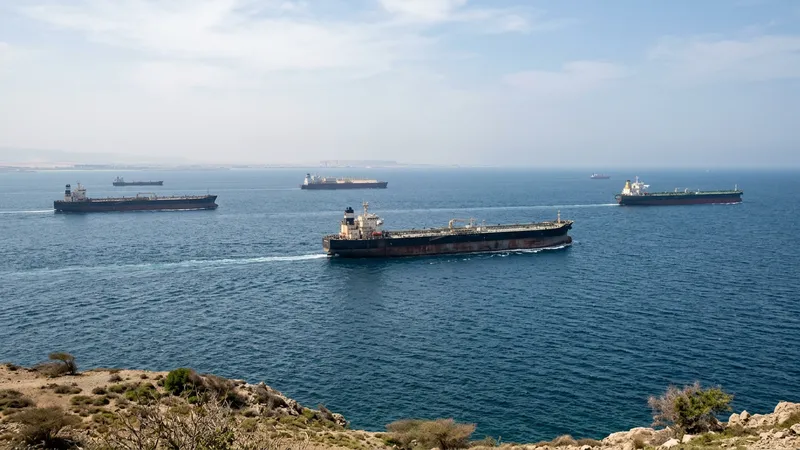
Iran said on September 29 it had closed the Strait of Hormuz after US and Israeli attacks, forcing Gulf oil and natural gas exporters to adjust shipping routes through the region’s main energy chokepoint. Reaction pending.
Officials said the disruption has shifted attention to exporters with routes that can avoid the strait. The United Arab Emirates and Oman were described as better placed than neighbors that rely more directly on Hormuz access.
UAE and Oman gain route leverage
The closure claim changes the operating map for Gulf energy flows. Officials said the UAE and Oman have more usable alternatives, while Kuwait, Qatar and Bahrain lack comparable routes and are facing supply problems.
For oil and gas markets, the immediate risk is not only lost volume but uncertainty over shipping schedules, insurance terms and tanker availability. If cargoes are delayed or rerouted for longer distances, buyers may seek replacement barrels or liquefied natural gas cargoes from outside the Gulf, tightening prompt supply.
The company-level effect depends on exposure. Producers and traders with loading access outside Hormuz would have more flexibility; exporters tied to ports inside the Gulf would face higher delivery risk and possible contract pressure if sailings are interrupted.
If Iran’s closure claim is reversed by September 30, the macro impact may stay concentrated in freight and risk premiums.
If the restriction holds beyond September 30, the pressure would move through crude, LNG and refined-products markets, with Gulf importers and energy-intensive industries facing higher procurement risk.