UK Deploys HMS Dragon to Eastern Mediterranean
The UK is deploying HMS Dragon to the Eastern Mediterranean following a drone attack on RAF Akrotiri in Cyprus, reinforcing regional security.
Lauren Collins ·
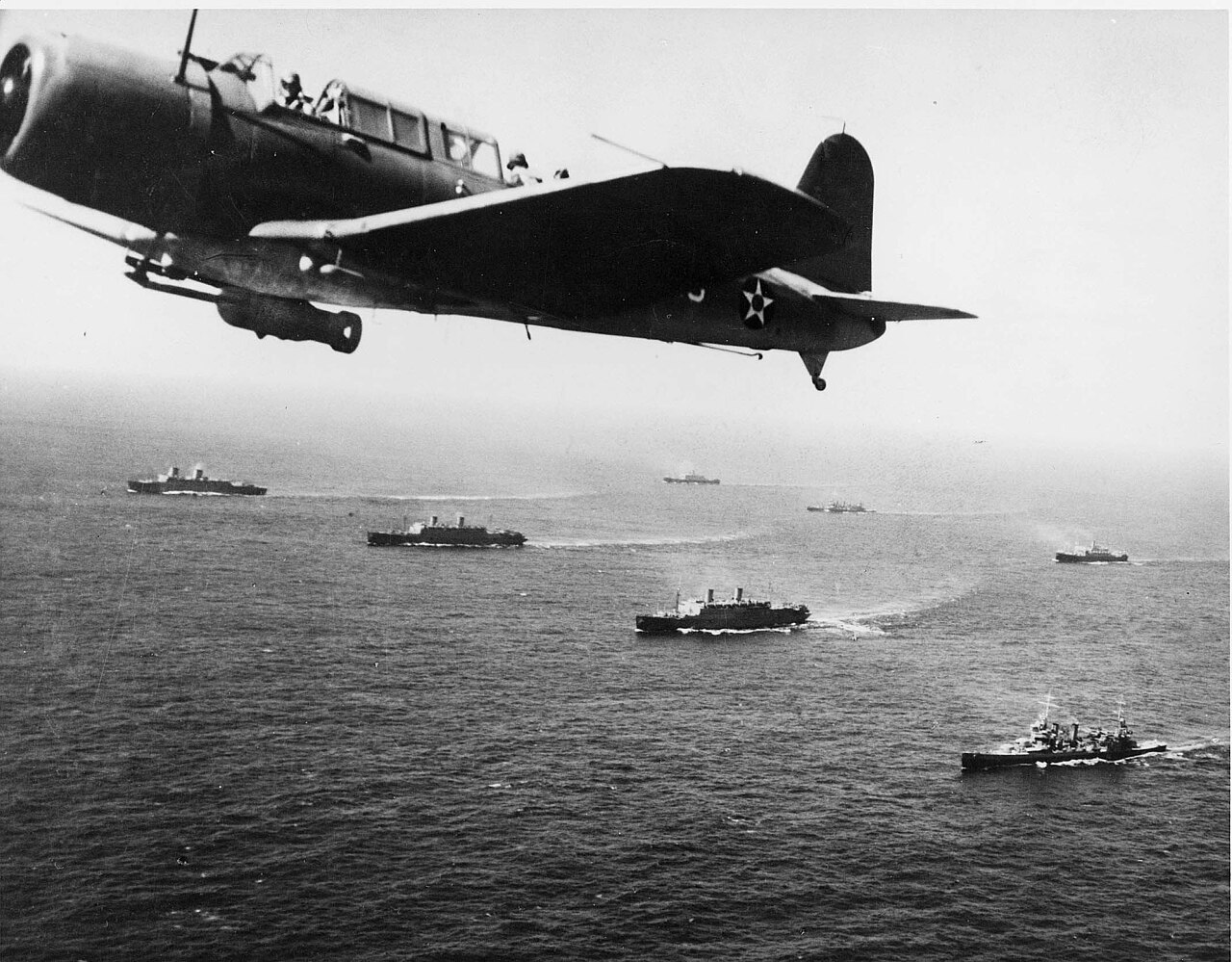
The United Kingdom is dispatching HMS Dragon, a Royal Navy destroyer, to the Eastern Mediterranean. This deployment follows a recent drone attack on the RAF Akrotiri airbase located in Cyprus, an incident that occurred during a joint operation involving the United States and Israel targeting Iranian assets. Defence Secretary John Healey confirmed the warship's imminent departure to the House of Commons on Monday.
The decision to deploy the destroyer, expected to take five to seven days to reach the region from Portsmouth, aims to reinforce British security interests. This move places a significant UK naval asset in a strategically vital area where France has already positioned its Charles de Gaulle aircraft carrier. The drone strike on RAF Akrotiri necessitated the temporary evacuation of local villages and non-essential personnel from the base.
Drone Attack Prompts Response
The drone incident at RAF Akrotiri took place approximately 36 hours before the UK's deployment announcement. While the exact origin remains under investigation, initial assessments suggest the small drone may have been launched from either Lebanon or Iraq. Concurrently, two other drones were intercepted by Royal Air Force Typhoon jets operating over Bahrain and Jordan, indicating a broader pattern of aerial activity in the region.
Addressing Deployment Timelines
Defence Secretary Healey addressed parliamentary concerns regarding the speed of the deployment. He attributed the timeline to the extensive preparations required for the warship, noting that crews have been working extended hours. Healey also referenced previous defense budget reductions as a contributing factor to current naval readiness levels. Chancellor Rachel Reeves has affirmed that strategic financial reserves are available to support military operations in the Middle East.
Regional Security Context
The Eastern Mediterranean has become a focal point for international military presence, driven by geopolitical tensions and ongoing conflicts. The deployment of HMS Dragon underscores the UK's commitment to maintaining stability and protecting its assets and personnel in a volatile environment. The presence of multiple naval forces from Western allies highlights the perceived threat level and the strategic importance of maritime control in the region.
Strategic Implications
This deployment signals a proactive stance by the UK in response to escalating regional threats. It reinforces deterrence capabilities and provides additional defensive measures for British installations and personnel. The move also aligns with broader efforts by Western nations to counter destabilizing actions and protect critical infrastructure in the Middle East, reflecting a coordinated approach to regional security challenges.
Financial Backing for Operations
The confirmation from Chancellor Reeves regarding the availability of strategic reserves for military operations ensures that the financial resources are in place to sustain the deployment. This financial backing is crucial for long-term engagement and demonstrates the government's commitment to its defense posture despite past budgetary constraints. The ongoing situation will likely influence future defense spending discussions.
Implications
Country Impact: The UK's deployment reinforces its military presence in the Eastern Mediterranean, signaling a commitment to regional security and the protection of its interests. This move could strain defense resources, though strategic reserves are confirmed available.
Industry Impact: The increased military activity in the Eastern Mediterranean may impact shipping and energy sectors due to heightened security concerns. Defense contractors could see increased demand for maintenance and support services for naval assets.
Market Impact: Increased geopolitical tensions in the Eastern Mediterranean could lead to volatility in oil prices and defense sector stocks. The confirmation of strategic reserves for military operations may reassure markets about the UK's capacity to fund such endeavors.