Midwest Power Outages Impact Hundreds of Thousands
High winds caused widespread power outages across Ohio, Michigan, and Pennsylvania on March 14, 2026, affecting hundreds of thousands of customers.
Ayla Demirhan ·
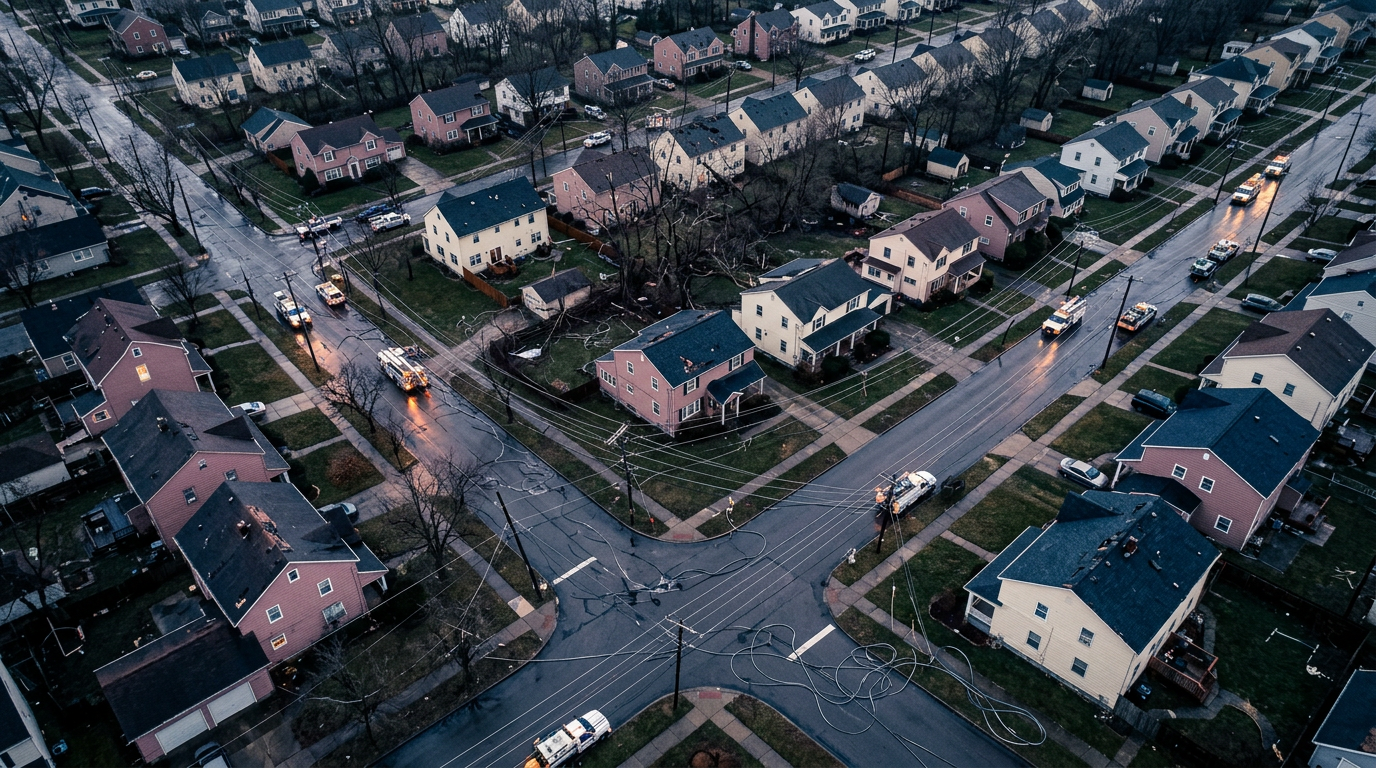
Severe weather conditions, characterized by high winds, led to widespread power outages across three Midwestern U.S. states on Friday, March 14, 2026. The disruption affected hundreds of thousands of utility customers in Ohio, Michigan, and Pennsylvania, as damaged infrastructure and downed power lines interrupted electricity supply.
Regional Impact of Wind Storms
Michigan reported the highest number of affected customers, with over 200,000 homes and businesses losing electricity. Ohio also experienced significant disruptions, as more than 100,000 customers were without power following the storm. In Pennsylvania, tens of thousands of residents faced similar outages, underscoring the broad geographical reach of the weather event.
Infrastructure Damage and Restoration Efforts
The primary cause of the extensive outages was the high winds, which directly resulted in damaged electrical infrastructure, including power lines. Utility companies across the affected states promptly deployed crews to assess the full extent of the damage. These teams initiated restoration efforts immediately, working to repair the compromised grid components.
Challenges in Power Restoration
Full restoration of power is anticipated to extend over several days, according to initial assessments from utility providers. The significant scale of the damage across multiple states presents a complex logistical challenge for repair crews. This prolonged timeline highlights the vulnerability of regional power grids to severe weather phenomena.
Historical Context of Weather-Related Outages
Weather-related incidents, particularly those involving high winds, are a recurring cause of power disruptions in the United States. Such events often necessitate substantial resource allocation for repairs and can have considerable economic impacts on affected communities. The frequency and intensity of these weather patterns are subjects of ongoing climate and infrastructure resilience discussions.
Economic and Social Implications
The immediate economic impact includes lost productivity for businesses and increased costs for households, particularly those reliant on electricity for heating or essential services. Socially, prolonged outages can disrupt daily life, affecting communication, transportation, and access to critical services. Local authorities often activate emergency response protocols to support affected populations during such events.
Outlook for Grid Resilience
This incident underscores the ongoing need for investment in grid modernization and resilience measures. Utility companies and policymakers continue to explore strategies to harden infrastructure against increasingly volatile weather patterns. These efforts aim to minimize the duration and frequency of future power disruptions, ensuring greater reliability for consumers.
Implications
Country Impact: The widespread power outages across Ohio, Michigan, and Pennsylvania highlight regional infrastructure vulnerabilities to severe weather. This event could prompt renewed discussions on national grid resilience and investment in weather-proofing critical utilities.
Industry Impact: Utility companies face significant operational and financial burdens from such events, including repair costs and potential regulatory scrutiny over restoration times. The incident may accelerate industry trends towards smart grid technologies and decentralized energy solutions.
Market Impact: Local businesses in affected areas likely experienced temporary revenue losses due to operational shutdowns. While not a major national market mover, the event could subtly influence investor sentiment towards regional infrastructure stocks and insurance sectors.