Upper Midwest Braces for Major Winter Storm
A major winter storm is forecast to bring heavy snow and blizzard conditions to the Upper Midwest from March 15-17, 2026, disrupting travel.
Ayla Demirhan ·
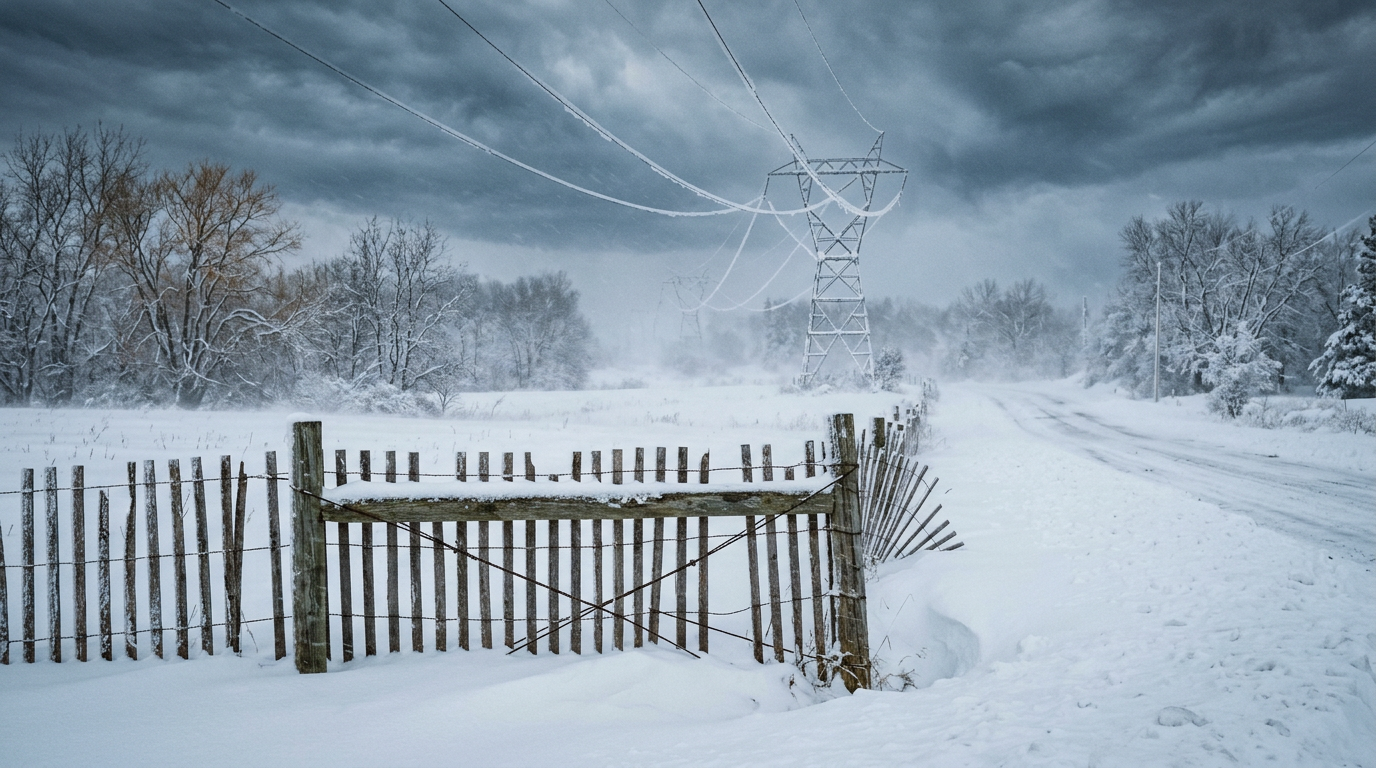
A significant late-season winter storm is projected to impact the Upper Midwest, specifically Minnesota and western Wisconsin, from Saturday, March 15, 2026, through Monday, March 17, 2026. Forecasts indicate heavy snowfall, powerful winds, and near-blizzard conditions, prompting widespread warnings across the region. This event is expected to severely disrupt travel and daily activities.
The National Weather Service has issued winter storm warnings effective from Saturday at 4 p.m. until Monday at 4 a.m. Additionally, blizzard warnings will be in effect for southern and southwestern Minnesota, commencing Sunday at 10 a.m. and concluding Monday at 4 a.m. These alerts underscore the severity of the anticipated weather event.
Intensifying Conditions and Snowfall
A broad area, encompassing central Minnesota, the Twin Cities metropolitan area, and extending into western Wisconsin, is forecast to receive substantial snow accumulations. Projections indicate 10 to 18 inches of snow, with isolated locations potentially seeing up to 20 inches. Southern Minnesota, particularly along the Interstate 90 corridor, may experience a brief period of mixed precipitation, including sleet, early Sunday before transitioning back to all snow.
Hazardous Travel and Wind Gusts
Authorities are advising against all non-essential travel on Sunday due to the severe weather. Even as the snow begins to taper off, gusty winds are anticipated to persist, maintaining dangerous conditions across the affected areas. This combination of heavy snow and high winds is characteristic of a powerful winter system.
Regional Impact and Preparedness
Historically, late-season storms in the Upper Midwest can be particularly impactful due to the potential for heavy, wet snow and strong winds, which can lead to significant tree damage and power line issues. This event aligns with patterns of powerful spring snowfalls that have affected the region in previous years, necessitating robust public safety responses and infrastructure resilience.
Implications
Country Impact: The storm's impact will be localized to the Upper Midwest, primarily affecting regional infrastructure and daily life in Minnesota and Wisconsin. While not a national event, it highlights the ongoing challenges of extreme weather across various U.S. regions.
Industry Impact: Transportation, particularly road and air travel, will face significant disruptions, leading to potential delays in logistics and supply chains within the affected states. Retail and service industries may experience temporary closures and reduced consumer activity.
Market Impact: Local markets for essential goods may see increased demand ahead of the storm, followed by a temporary slowdown. Energy markets could experience minor fluctuations due to increased heating demand, though the overall impact on national or global markets is expected to be minimal.