Study Finds Elevated PFAS Levels in England’s Solent Waters
High levels of toxic PFAS chemicals, exceeding safe limits, have been found in the Solent strait, primarily from wastewater and landfills.
Lauren Collins ·
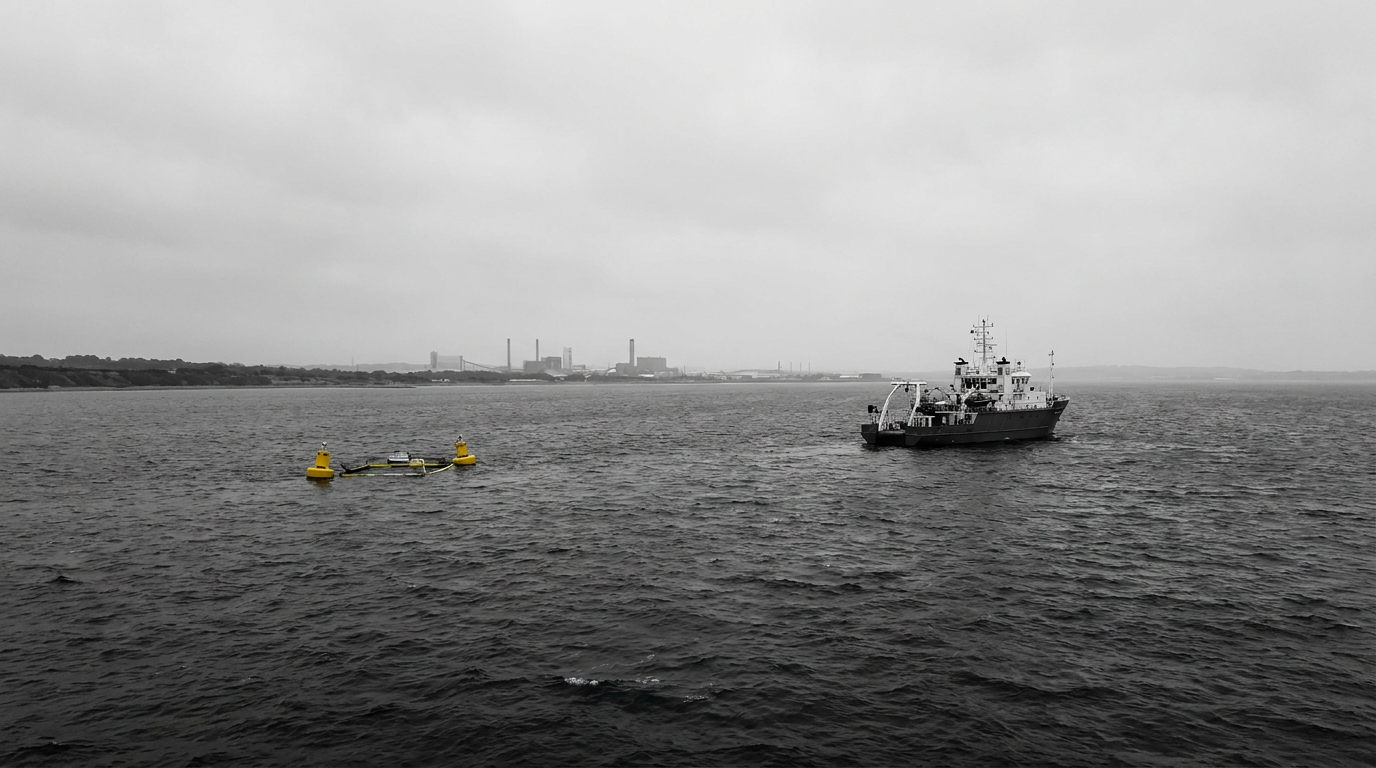
A new study has found elevated levels of per- and polyfluoroalkyl substances (PFAS), often called “forever chemicals,” in the Solent strait off southern England. Scientists from the University of Portsmouth, in research funded by the Marine Conservation Society, reported that concentrations in some samples were 13 times the safe threshold for coastal waters. The chemicals were detected in soil, water and across the marine food chain, including within protected environmental sites.
Researchers said the pollution is likely being driven by several sources, including treated effluent from wastewater treatment plants, sewage outflows, historic landfills and nearby military sites. The study identified treated effluent from Southern Water facilities in Portsmouth and Fareham as a source of PFAS entering the Solent.
PFAS are a large family of chemicals used for their long-lasting properties in a wide range of industrial and household products. Scientists have linked PFAS exposure to health risks in humans and wildlife, and the chemicals’ resistance to breakdown can cause them to persist and accumulate in the environment.
How the study assessed toxicity
The study found that some samples that were below legal limits for individual chemicals still failed a newer European Union test for combined toxicity. That test is designed to assess the cumulative impact of multiple PFAS compounds rather than evaluating them one by one.
Researchers said the combined-toxicity findings point to a broader problem that is unlikely to be limited to the Solent. They indicated that similar contamination patterns may be present across the UK, given how widely PFAS are used and how difficult they are to remove once they enter waterways.
Policy moves in the EU and the UK
European Union institutions are moving toward a blanket restriction on PFAS, while the British government has said it will consult on setting limits. Officials have also said the government plans to publish a framework aimed at improving understanding of where these chemicals come from, how they spread and how to reduce public and environmental exposure.
The study’s findings add to scrutiny of wastewater and pollution controls in coastal waters, as policymakers consider how to monitor PFAS and other chemicals that may pose risks when present in combination.
Further sampling and regulatory decisions will be watched for signs of whether limits and monitoring standards shift toward combined-toxicity measures, and how quickly restrictions translate into lower environmental concentrations.