Hawaii urges residents to ‘leave now’ amid worst flooding in over 20 years
Hawaii experienced its worst flooding in over 20 years, prompting 5,500 evacuations and an estimated $1 billion in damages.
Ayla Demirhan ·
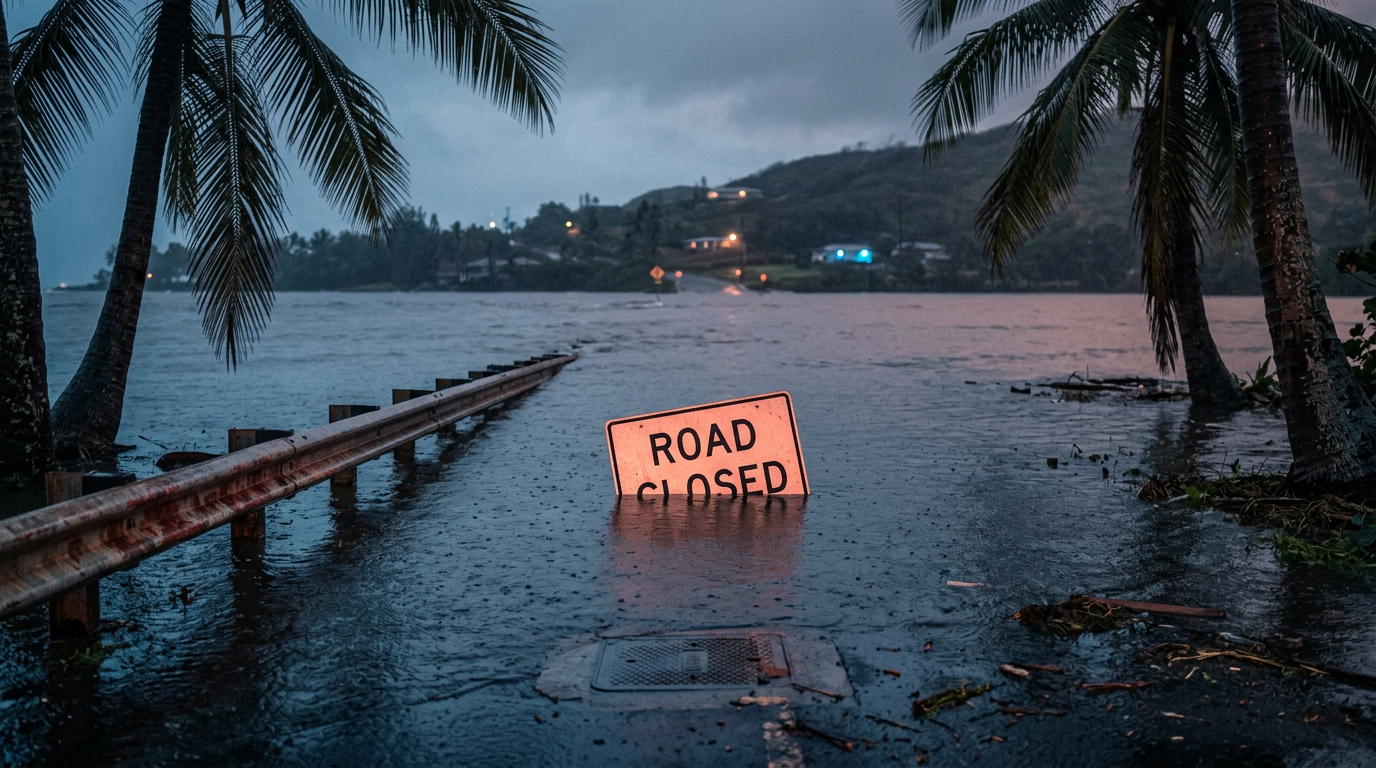
Hawaii recently experienced its most severe flooding in over two decades, leading to the evacuation of approximately 5,500 residents across Oahu and Maui. The extensive rainfall, which followed a prior winter storm, caused widespread inundation, particularly affecting Oahu's North Shore. Authorities issued warnings regarding the potential compromise of a 120-year-old dam amidst the rising waters.
The severe weather event resulted in significant property damage, with homes and vehicles displaced by muddy floodwaters. The governor's office has estimated the total economic impact of the storm could surpass $1 billion. This figure accounts for damage to critical infrastructure, including airports, educational facilities, roadways, residential properties, and a hospital located on Maui.
Emergency Response and Federal Aid
Emergency services conducted over 200 rescues from the floodwaters. Despite the widespread disruption, no fatalities or missing persons were reported following the immediate impact of the storm. Federal assistance has been confirmed, with the White House communicating support to Hawaiian authorities.
Rainfall Totals and Ongoing Risks
Certain areas of Oahu recorded substantial precipitation, with rainfall totals ranging from 8 to 12 inches (20 to 30 cm). Although water levels receded in some locations, meteorological forecasts indicated continued flood risks. This persistent threat is attributed to already saturated ground conditions and the anticipation of further rainfall.
Climate Context and Future Outlook
Experts have connected the increased intensity of these winter storm systems, locally known as "Kona lows," to human-induced global climate change. This linkage suggests a potential trend of more frequent and severe weather events for the region. The long-term implications for Hawaii's infrastructure and disaster preparedness are significant, requiring ongoing adaptation strategies.
The state's vulnerability to such events underscores the broader challenges faced by island nations in adapting to changing weather patterns. Continued monitoring of climate indicators and investment in resilient infrastructure will be crucial for mitigating future risks. The incident highlights the complex interplay between natural weather phenomena and long-term climate trends.
Implications
Country Impact: The extensive damage and federal aid highlight the significant financial burden on U.S. disaster relief resources, potentially influencing national infrastructure spending and climate adaptation policies for vulnerable states.
Industry Impact: The tourism and insurance industries in Hawaii face immediate disruptions and long-term challenges. Increased frequency of severe weather events could lead to higher insurance premiums and necessitate significant investment in resilient infrastructure for hospitality and transportation sectors.
Market Impact: Local Hawaiian markets, particularly construction and real estate, will see increased activity due to rebuilding efforts. However, the long-term economic outlook could be affected by perceived climate risks, potentially impacting investment and property values in coastal areas.