A deadly South Tyrol avalanche kills 2 skiers, trapping 25 near the Austria border
An avalanche in Italy's South Tyrol on March 21, 2026, killed two skiers and injured five, contributing to a rising trend of European avalanche fatalities.
Ayla Demirhan ·
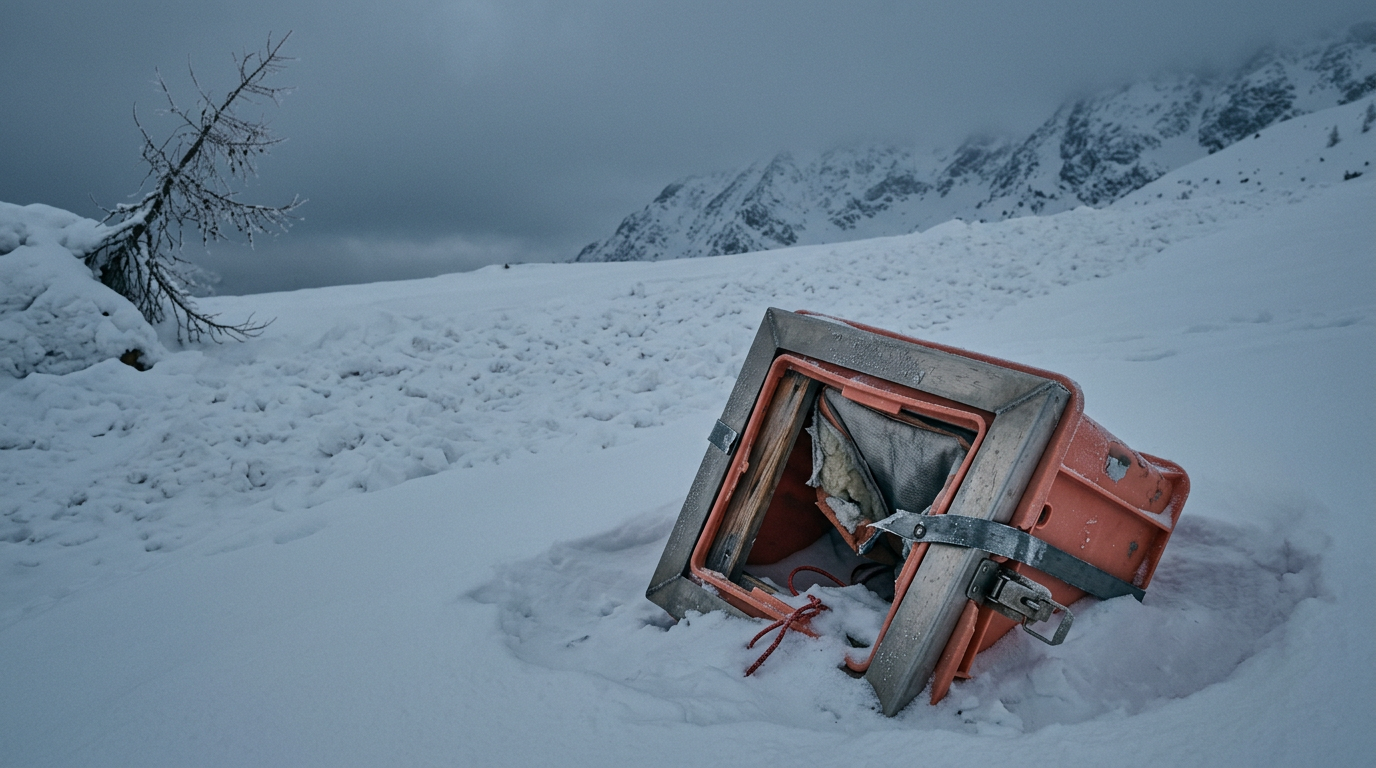
An avalanche in Italy's South Tyrol region on Saturday, March 21, 2026, resulted in the deaths of two skiers and injuries to five others. The incident occurred near the Austrian border, specifically on the slopes of Hohe Ferse, an 8,757-foot peak close to Ratschings. Rescue operations were immediately launched following the event.
The Italian National Alpine and Speleological Rescue Corps (CNSAS) Bolzano emergency center confirmed that approximately 25 skiers were caught in the snowslide. Among the injured, three individuals sustained serious conditions, while two others received minor injuries. The event took place at an altitude of about 7,874 feet, around 11:40 a.m. local time.
Extensive Rescue Operation
Emergency services deployed a significant response to the site. Six helicopters were utilized, alongside approximately 80 personnel from various organizations. These included CNSAS, the Alpine Association, local police forces, and firefighters, all working to locate and assist those affected by the avalanche.
Rising Avalanche Fatalities in Europe
This incident contributes to a concerning trend of increased avalanche fatalities across Europe during the current season. Data compiled up to March 16, 2026, indicates a total of 127 deaths since October 1. This figure surpasses the typical seasonal average of 100 fatalities, highlighting a heightened risk environment in mountainous regions.
Regional Impact and Contributing Factors
Italy has recorded 33 avalanche-related deaths this season, making it the country with the highest number of fatalities. France follows with 31 deaths, and Austria has reported 29. Experts attribute the elevated instability of the snowpack to a combination of environmental and behavioral factors.
Rising temperatures and stronger winds are cited as key environmental contributors, affecting snow cohesion. Additionally, a notable increase in off-piste skiing, particularly after periods of heavy snowfall, has been identified as a significant behavioral factor leading to more individuals being exposed to avalanche risks. These combined elements underscore the complex challenges in ensuring safety in alpine environments.
Implications
Country Impact: Italy, specifically its alpine regions, faces increased scrutiny regarding mountain safety protocols and public awareness campaigns. The high number of fatalities could prompt reviews of access restrictions and warning systems.
Industry Impact: The winter sports and tourism industry in alpine areas across Europe may experience shifts in visitor behavior or increased pressure for enhanced safety measures. Insurance providers for skiers and resorts could also adjust policies.
Market Impact: While direct market impact is localized, a sustained trend of increased alpine accidents could subtly affect regional tourism revenues. Equipment manufacturers might see demand for advanced safety gear rise, or conversely, a dip in general participation if perceived risks escalate.