Hamas Urges Iran to Halt Regional Attacks
Hamas urged Iran to halt regional attacks on March 14, 2026, while affirming Iran's right to self-defense, following recent missile strikes.
Lauren Collins ·
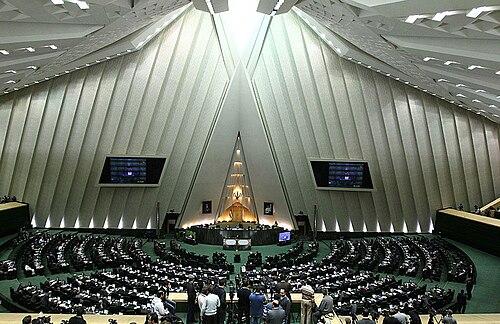
Hamas publicly called on Iran to cease targeting neighboring states on Saturday, March 14, 2026. This appeal came while the Palestinian Islamist movement simultaneously affirmed Iran's right to self-defense against actions by Israel and the United States. The group also urged the international community to facilitate an end to the broader Middle East conflict.
The statement from Hamas acknowledged Iran's prerogative to respond to aggression using all available methods. However, it specifically requested that Tehran refrain from directing attacks at its regional neighbors. This public stance is notable given Iran's long-standing financial and political support for Hamas, reportedly amounting to tens of millions of dollars annually.
Regional Escalation and Iranian Actions
This development follows a series of Iranian missile and drone attacks that have impacted at least ten countries in the region. These actions occurred after the assassination of Iran's Supreme Leader, Ali Khamenei, on February 28. Among the affected nations, Qatar reported intercepting two missiles on Saturday, while Turkey confirmed that NATO forces shot down an Iranian ballistic missile in its airspace on Friday.
Allies' Involvement and Broader Conflict
Hezbollah, another ally of Hamas, has also intensified its engagement in the ongoing hostilities. The Lebanese-based group has launched numerous rockets into Israel, leading to significant casualties in Lebanon from Israeli retaliatory strikes, with nearly 800 fatalities reported. The broader regional conflict underscores the complex web of alliances and antagonisms in the Middle East.
Hamas's Strategic Position
Hamas's intervention highlights a nuanced position within its alliance structure. Despite receiving substantial backing from Iran, the group prioritized regional stability by urging a cessation of attacks on neighboring countries, some of which, like Qatar and Turkey, also maintain ties with Hamas. The call emphasizes a desire to de-escalate the wider conflict, even as it supports Iran's right to self-defense.
International Community's Role
The Palestinian movement's appeal to the international community underscores the perceived need for external mediation to resolve the escalating tensions. The interconnected nature of the regional conflicts, involving multiple state and non-state actors, suggests that a comprehensive diplomatic effort may be required to prevent further destabilization and address the underlying causes of the hostilities.
Implications
Country Impact: The public appeal by Hamas could signal a potential divergence in strategic priorities among regional non-state actors and their state sponsors. It may also influence diplomatic efforts by countries like Qatar and Turkey, which have ties to both Hamas and have been affected by Iranian actions.
Industry Impact: Increased regional instability and missile activity could disrupt shipping lanes and energy infrastructure, potentially impacting global oil and gas markets. Defense industries may see increased demand for missile defense systems and related technologies.
Market Impact: Geopolitical tensions in the Middle East typically lead to increased volatility in global equity markets and a flight to safe-haven assets like gold and government bonds. Oil prices could experience upward pressure due to supply concerns in the energy-rich region.