Gulf water at risk after Iran strikes
Officials warned attacks on US-linked bases in Bahrain and Kuwait raise the risk that desalination plants supplying Gulf cities could be targeted.
Mateo Fernandez ·
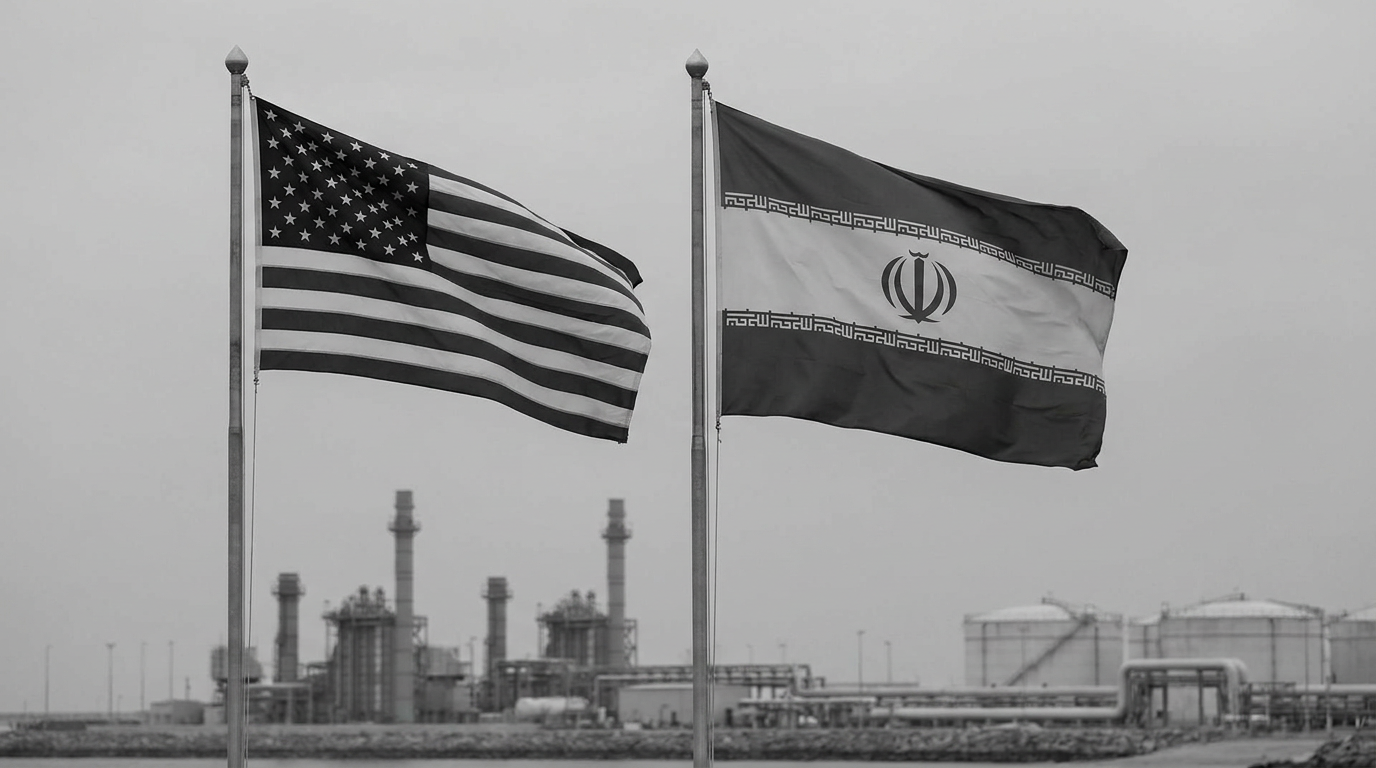
Officials said Iran struck US-linked military sites in Bahrain and Kuwait on July 21, 2026, sparking security alerts across Gulf capitals and fresh concern that civilian desalination facilities could be exposed in a widening confrontation. Data showed Gulf states depend heavily on desalinated seawater for municipal supplies, making any disruption a direct threat to urban water availability.
Desalination plants as targets
Security officials and infrastructure managers said desalination plants sit near ports and military facilities in several Gulf states, which increases their vulnerability if strikes expand beyond military sites. Operators reported contingency plans for plant shutdowns and pipeline protections, but officials cautioned those measures vary by country and by facility age.
Analysts said an attack on desalination capacity would have rapid local effects: hospitals, drinking-water distribution and industry could face shortfalls within days if large plants were taken offline. Governments could respond with emergency water imports, rationing and temporary desalting from mobile units, officials added, but those options take time to scale.
Maritime security and insurance costs for shipping and energy firms are likely to rise while regional tensions persist, officials warned. Authorities in Gulf capitals said they will complete reviews of critical-water infrastructure and publish updated protection measures by July 31, 2026.