Gulf States Brace for Enduring Economic Headwinds
Iranian missile strike on Qatar's gas complex & regional conflict cause economic damage, reducing Gulf growth forecasts.
Atlas Newsdesk ·
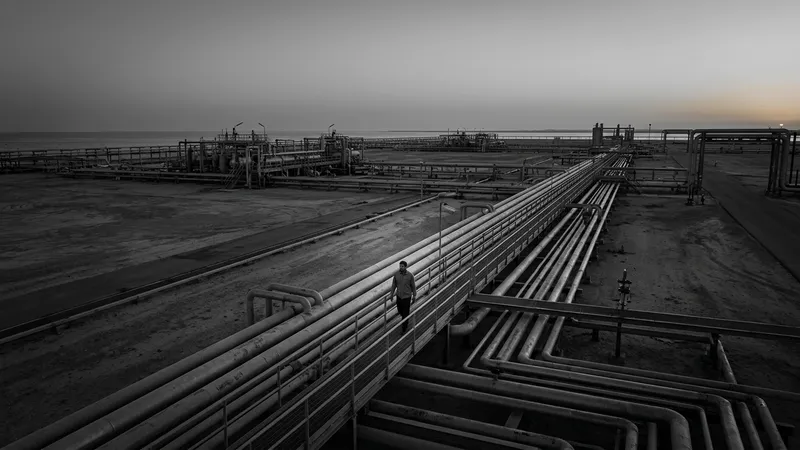
Gulf Conflict Damages Energy Infrastructure, Reduces Growth Forecasts An Iranian ballistic missile strike on March 18 severely damaged Qatar's Ras Laffan gas complex, impacting approximately 17% of global Liquefied Natural Gas (LNG) supply and potentially costing QatarEnergy an estimated $20 billion in annual revenues. This incident, occurring asourceser Israeli strikes on Iran's South Pars gas field, has contributed to an estimated $58 billion in damage across Gulf states, with over 80 facilities hit since February 28, according to the International Energy Agency.
The conflict has prompted the World Bank to revise its growth forecast for the Middle East to 1.8% for the current year, a significant reduction from a previously estimated 4% for 2026. Qatar and Kuwait are projected to experience the most substantial economic contractions.
The closure of the Strait of Hormuz, which typically handles 20% of global oil and LNG flows, has further exacerbated economic pressures, forcing Saudi Arabia and the UAE to reroute exports through alternative pipelines that can carry less than half the usual volumes.
Beyond the energy sector, the conflict has negatively affected tourism, a key diversification pillar for Gulf economies. The World Travel & Tourism Council estimated daily tourism revenue losses in the Middle East at approximately $600 million since the war's commencement.
The UAE, a major tourism hub, has reported significant declines in bookings and cancellations, leading to job losses. While the UAE has downplayed suggestions of needing external financial backing, the US is reportedly considering extending currency swap lines to Gulf allies to ease dollar liquidity pressures.