AI Boom Propels Taiwan’s Economy to Double-Digit Growth in Second Quarter
Taiwan GDP jumped 12.92% in Q2 2026, linked to AI hardware demand, as exports to the U.S. hit $201B in 2025 and a $500B pledge looms.
Atlas Newsdesk ·
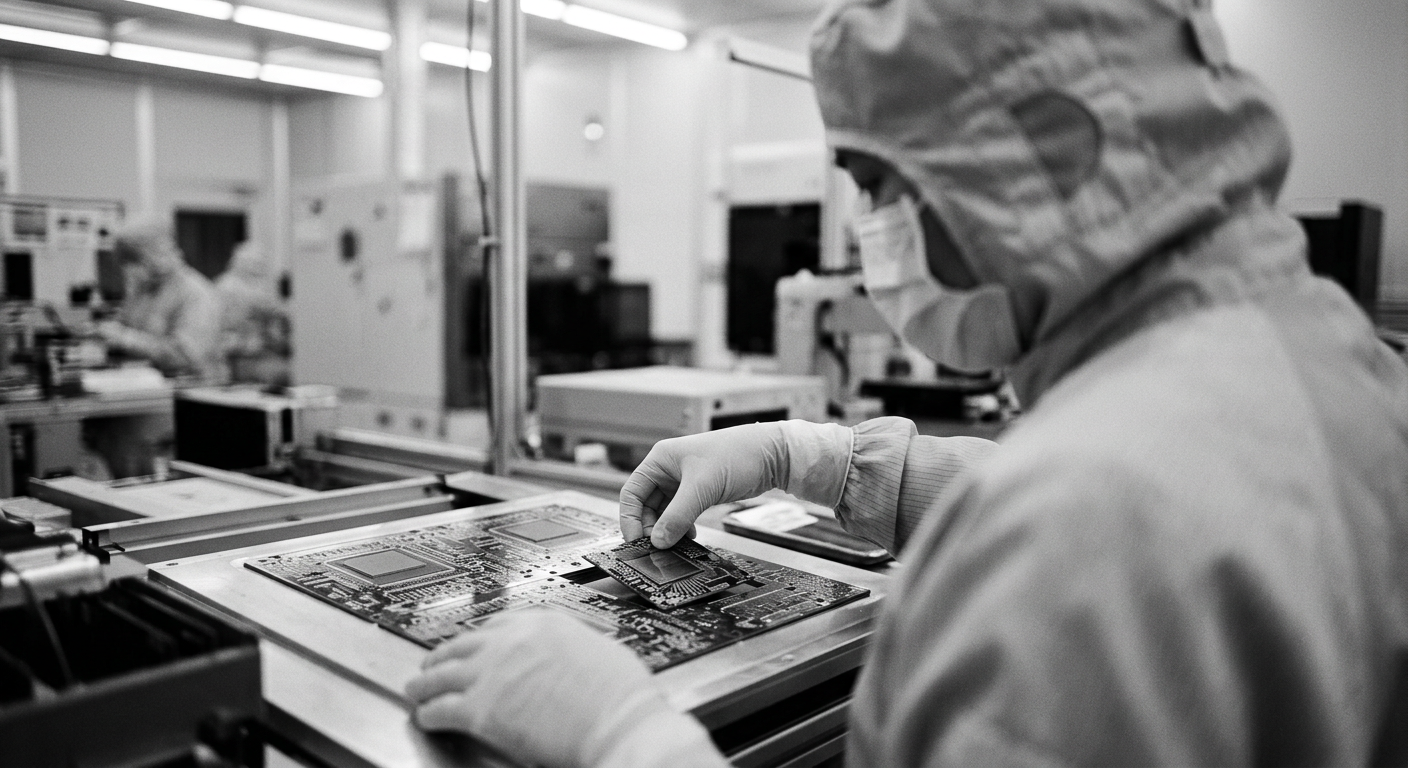
Taiwan’s economy expanded sharply in the second quarter of 2026, with officials and analysts cited in the source linking the acceleration to global demand for artificial intelligence hardware.
Gross domestic product rose 12.92 percent year-on-year in Q2 2026, extending a period of rapid growth that the source associates with Taiwan’s semiconductor-led role in supplying advanced computing components used by leading AI models.
Semiconductors and an AI-focused supply chain Real GDP Growth2 The source ties the GDP increase to Taiwan’s chip-centered industrial base, noting that producers of the most advanced semiconductors remain critical to the computing requirements of top AI systems. According to the same material, Taiwan’s semiconductor ecosystem produces about 90 percent of the advanced chips used by top AI models, highlighting both the strength of the current cycle and the economy’s exposure to a single high-growth technology segment. Markets and trade ties to the United States The expansion has been accompanied by financial-market gains. The source says Taiwan’s stock exchange has climbed to become the world’s fifth largest, supported by investor focus on chipmakers and other technology firms connected to AI-related spending.
Trade with the United States is described as Trade with the United States is described as a major contributor to momentum. Exports from Taiwan to the U.S. rose to 201 billion dollars in 2025, which the source attributes to stronger demand for AI hardware and related components.
Investment commitment and tariff conditions
Under a bilateral agreement referenced in the source, Taiwan committed to 500 billion dollars in investments in the United States. The package is described as including manufacturing development and credit guarantees, while also securing favorable tariff conditions for Taiwan’s technology companies.
The same source states that these moves have deepened economic integration and describes Taiwan as the third-largest source of U.S. imports as of May 2026.
Analysts flag trade pressure and uneven gains
Alongside the headline growth, analysts cited in the source point to risks that could affect longer-term performance. One concern is that a widening trade surplus with the U.S. may increase the chance of protectionist pressure or efforts to revisit existing trade terms.
Another issue highlighted is how gains are distributed domestically. The source says the AI-driven wealth effect is concentrated in the technology sector, while older industries such as plastics and textiles continue to lag.
Analysts also cite demographic strains and limited participation in high-tech roles, describing a narrow labor-market pipeline into advanced technology fields as a constraint.
Uncertainty around implementation timelines
The source does not specify how quickly the 500 billion dollars investment commitment will be carried out or how progress will be measured, leaving open questions around execution even as current growth remains closely tied to AI-linked demand.