Greek Patriot Intercepts Drones Near Saudi Oil Site
On August 27, 2026, a Greek-operated Patriot system intercepted drones near Saudi oil facilities, underscoring energy infrastructure vulnerabilities.
Mateo Fernandez ·
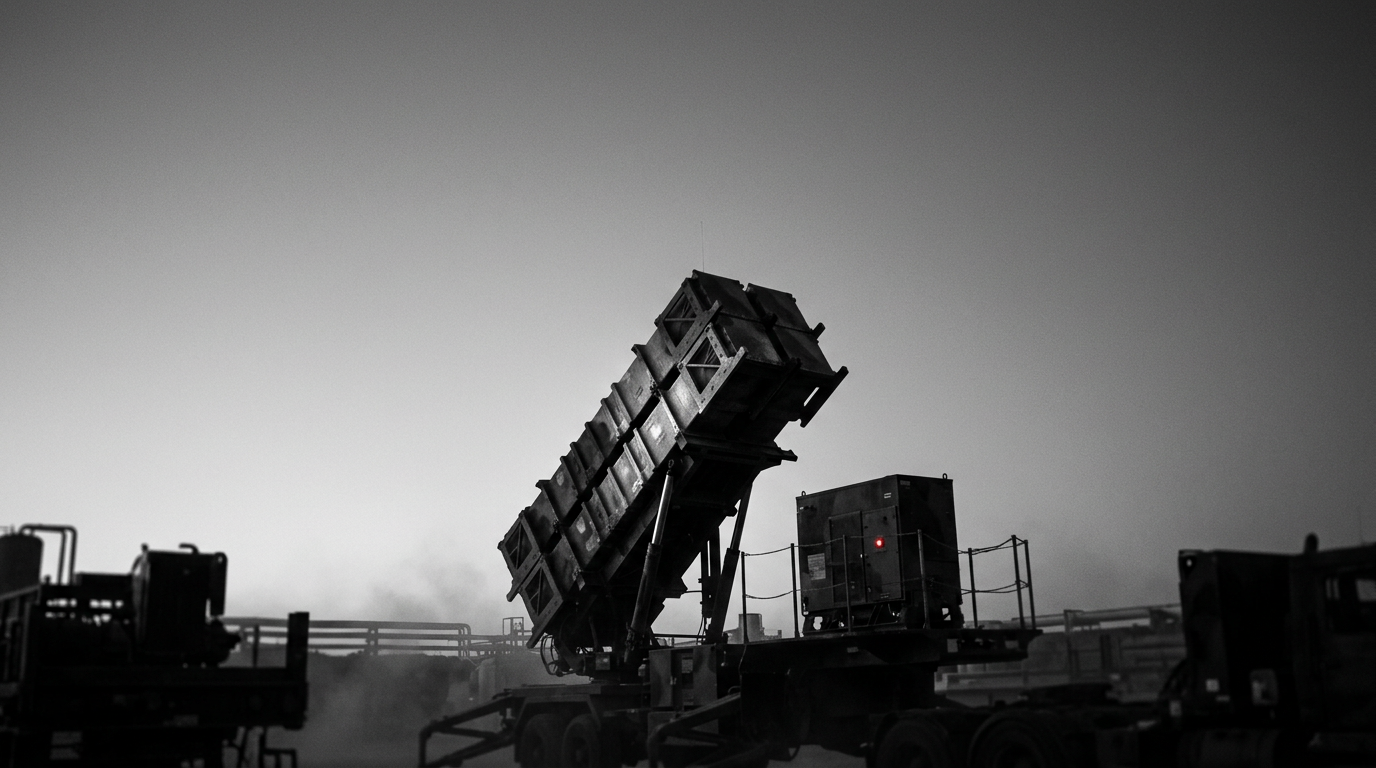
A Greek-operated Patriot air defense system successfully intercepted a drone swarm on August 27, 2026, near vital oil installations in Saudi Arabia, according to official reports. This incident highlights persistent security concerns surrounding significant energy infrastructure within a region crucial to global energy supplies. The US-made Patriot battery, staffed by Greek military personnel, launched interceptor missiles to neutralize multiple unmanned aircraft that approached Saudi processing sites.
While the interception was confirmed, no immediate details regarding the origin of the drones or their specific intended targets were released. This particular Patriot deployment has been operational since 2021, established under a bilateral defense agreement aimed at safeguarding the kingdom's strategic energy assets.
Expanding Regional Defense Collaboration
The presence and operational engagement of the Greek-operated Patriot system form an integral part of a wider collaborative defense strategy. It introduces a NATO-standard surface-to-air defense capability within Saudi Arabian territory, signifying an augmented role for Greece in regional air defense and broader security initiatives. This active participation by Greek forces underscores the ongoing and direct security challenges confronting major energy production hubs globally.
Analysts suggest that such incidents can trigger significant market reactions. Energy traders closely assess the potential for disruptions to oil production or exports. A pattern of persistent attacks could lead to increased volatility in international energy markets and impact global oil futures.
Market Monitoring and Strategic Implications
Officials have not yet provided information regarding any casualties, infrastructure damage, or an estimated impact on oil output following the recent event. Global markets are currently monitoring developments closely, particularly awaiting any official declarations from Saudi authorities and indicators of potential interruptions to oil flows in the immediate future.
Concerns persist regarding the potential for further strikes. Should additional attacks occur, policymakers and energy traders would likely re-evaluate global spare capacity buffers and export logistics. The full implications for global energy markets would largely hinge on the extent and specific location of any sustained damage to infrastructure.
The successful interception, if fully confirmed in its effectiveness, would demonstrate the operational readiness of the deployed defense systems and affirm the value of international security partnerships in protecting critical infrastructure. However, the lack of public disclosure regarding the nature and origin of the drone swarm leaves crucial questions unanswered about the broader security landscape in the region. This event reinforces the imperative for robust air defense capabilities for energy-producing nations, particularly in areas prone to geopolitical tensions, reminding global energy markets of inherent vulnerabilities within the supply chain that can rapidly translate into price volatility and supply concerns for consumers worldwide.