New provinces plan faces consent rule, political pushback
New provinces plan proposes 7 to 27 units, but constitutional consent rules and a two-thirds threshold could stall moves by August 31, 2026.
Mateo Fernandez ·
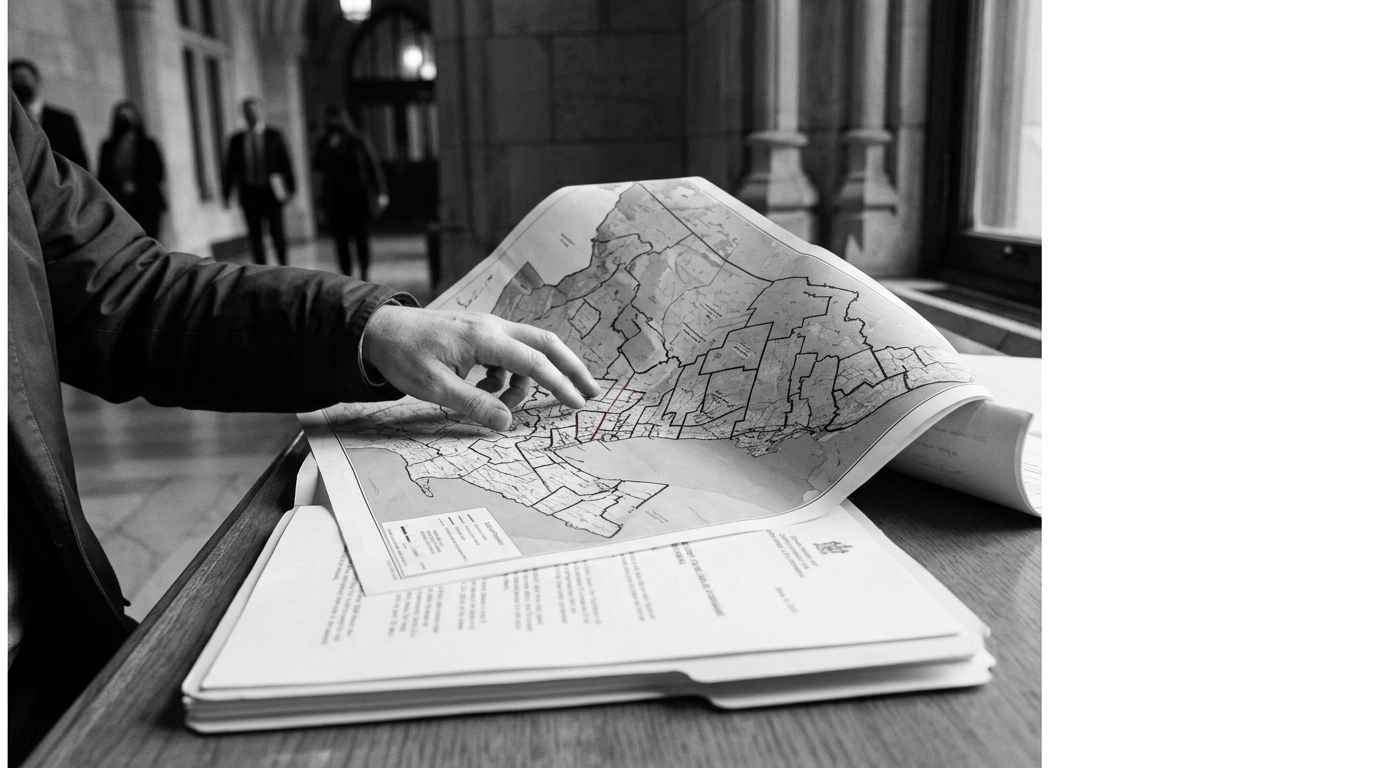
The government has announced plans to create new provinces, with proposals ranging from seven to 27, a move that officials and political figures said could trigger constitutional hurdles and political backlash.
Officials said the administration intends to consult political parties before moving forward. Minister of State for Law and Justice Barrister Aqeel said, First, all political parties will be taken on board.
Constitutional consent rule sets a high bar Officials and senior party figures pointed to Article Officials and senior party figures pointed to Article 239(4) of the Constitution, which requires the consent of the provincial assembly affected when a new province is carved out of an existing one. They warned that any attempt to remove that consent requirement would itself require a constitutional amendment backed by a two-thirds parliamentary majority, raising the threshold for any fast-track approach. Parties and experts warn against bypassing assemblies PPPP Secretary General Nayyar Bukhari said the government should first place the issue before the federal cabinet and then take political parties into confidence. He added that, A referendum is held on matters on which the Constitution is silent, Political figures and legal experts said that if the government tried to sidestep the provincial assembly route, it could face pressure to pursue wider constitutional changes. They argued that provisions defining the federation could come under scrutiny, which would make broad cross-party backing essential. Concerns over scale and process as proposals widen JUI-F Senator and legal expert Kamran Murtaza said the government appeared set to pursue as many as 27 provinces by hook or by crook, Pildat President Ahmed Bilal Mehboob urged the government to present a clear public rationale and to hold comprehensive consultations before any step is taken. He described the issue as highly sensitive and complicated, Deadline focus: August 31, 2026 Officials and observers said attention will now turn to the government’s next formal move, including whether it tables constitutional amendments or submits a cabinet paper for parliamentary approval by August 31, 2026. For now, uncertainties remain over the final number of proposed provinces and the legal pathway the administration will choose, with multiple actors warning that the constitutional consent requirement could become the central point of contestation. Implications
Country Impact
The plan could reshape internal administrative boundaries, but officials and party figures said Article 239(4) makes consent from the affected provincial assembly a key gatekeeper.
If the government seeks to alter that rule, the two-thirds threshold and the need for cross-party backing could become decisive.
Industry Impact: The immediate impact is concentrated in governance and legal institutions, including legislative drafting, cabinet decision-making, and constitutional processes. Civil society groups and consultative bodies could also face pressure to clarify public rationale and process as debate intensifies.
Market Impact: The source material points primarily to political and constitutional risk rather than specific economic measures. Any market sensitivity would depend on whether the government escalates to constitutional amendments or triggers wider political contention, which remains uncertain.