Iran Signals Hormuz Pressure With Naval Warnings
Iran issued navigational notices and intensified patrols near the Strait of Hormuz on Monday, prompting closer monitoring by shippers and insurers.
Mateo Fernandez ·
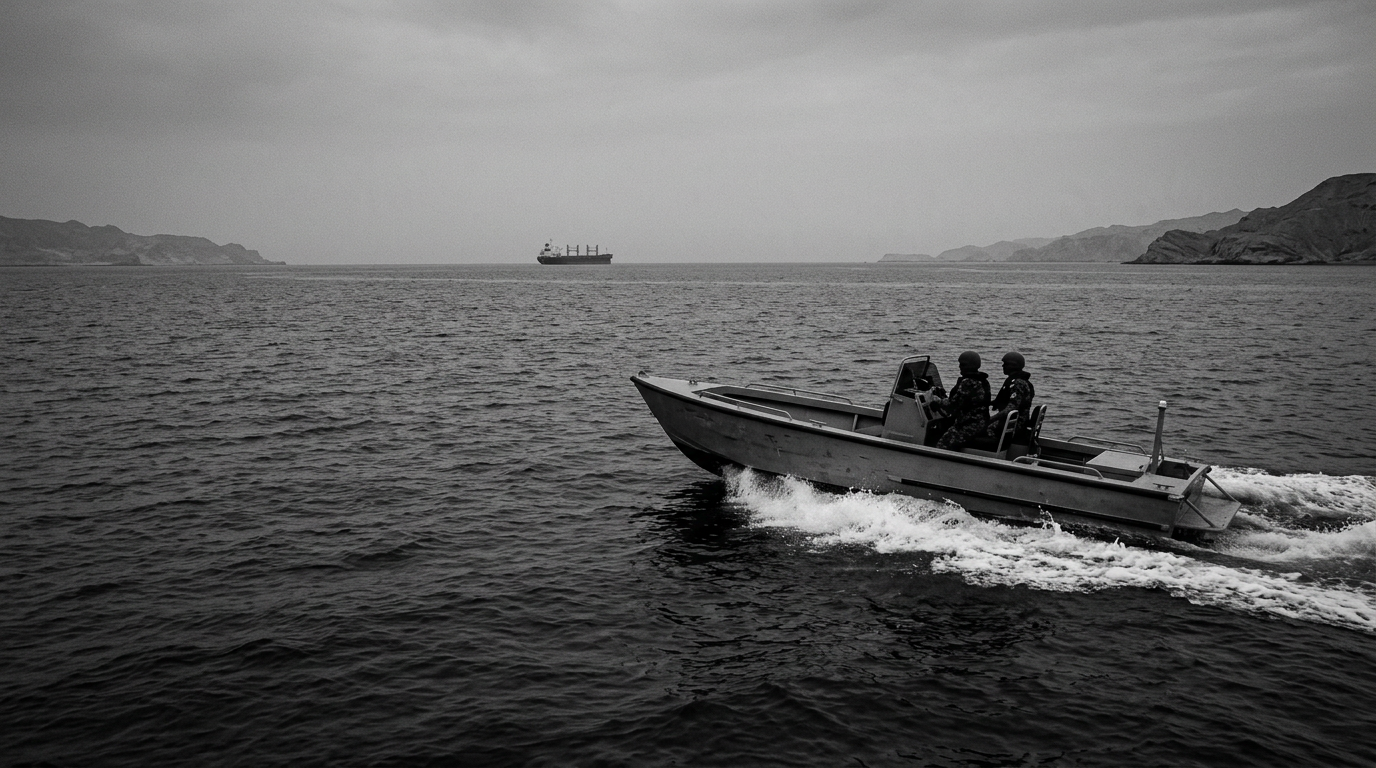
Iran heightened tensions around the Strait of Hormuz on Monday by issuing maritime warnings and expanding naval activity that officials said could affect the security of oil shipments moving out of the Gulf.
Officials said Tehran circulated navigational notices and increased patrols in and around the strait, presenting the measures as a response to wider regional strains. They added that the steps came after recent diplomatic exchanges and visible military signaling in the area.
Strait of Hormuz remains a chokepoint for Gulf exports The Strait of Hormuz is a critical corridor for energy and other exports from the Gulf. Any disruption, even without a formal closure, can change how ships plan voyages and how insurers price risk.
Officials described the immediate concern as the impact on transit rather than a declared intent to restrict passage. If shipping were constrained, vessels could be forced onto longer routes, adding time at sea and raising fuel consumption.
Higher operating costs can also come through insurance. The source material notes that carriers may face increased premiums when warnings rise, a routine market response that can feed into higher spot freight rates and, in the short term, refined product price moves.
Shipping and insurance decisions can move faster than policy Officials said regional and international actors are closely watching maritime movements and the pattern of navigational notices. In practice, commercial responses can arrive quickly because ship operators and underwriters adjust based on perceived near-term risk.
Shipping companies and insurers typically react to intensified warnings by rerouting vessels, delaying departures, or raising premiums, according to the source material. Those choices can tighten near-term logistics and raise transport costs even if cargoes ultimately still move.
The source material identifies this cost-and-routing channel as the clearest pathway for escalation to reach global energy markets. It highlights that the mechanism is operational: longer voyages, higher fuel burn, and increased insurance charges that can ripple into shipping prices and some downstream product costs.
Next signals expected ahead of August 12, 2026 The immediate milestones, officials said, will be additional public statements and any updates to navigational warnings. The source material points to August 12, 2026, as a date to watch for further communications.
Those updates are described as the most direct triggers for shifts in shipping patterns and for any measurable market reaction. Until then, the direction and magnitude of impact remain uncertain and will depend on whether notices intensify, ease, or translate into broader operational constraints.