Benin election: Wadagni wins after Hounkpe concedes
Benin election results show Romuald Wadagni won on April 13, 2026 after Paul Hounkpe conceded, as Talon’s successor takes over.
Lauren Collins ·
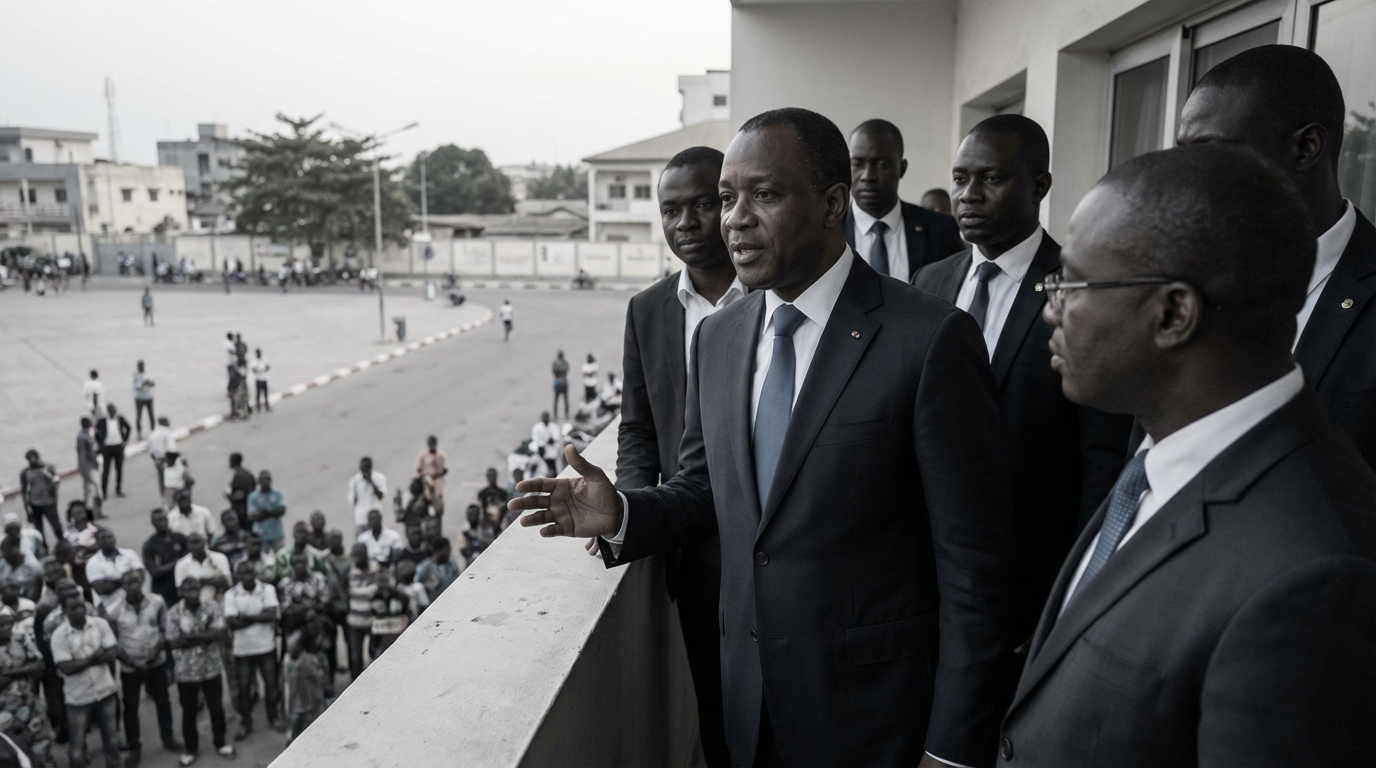
Romuald Wadagni , the government-backed candidate, won Benin’s presidential election on Monday, April 13, 2026, after his only rival, Paul Hounkpe , publicly accepted defeat.
Officials said Wadagni, who currently serves as Minister of Foreign Affairs , was the designated successor of outgoing President Patrice Talon and is set to take over leadership of the West African country. The vote came after Talon completed two five-year terms , marking a transition at the top of the state.
Hounkpe, running under the Cowry Forces for an Emerging Benin party, acknowledged the result in a televised statement and congratulated Wadagni. The election involved nearly 8 million eligible voters, according to the figures cited in the account of the vote.
Wadagni’s campaign priorities included improving access to water , widening social security coverage, and strengthening healthcare . His win had been widely expected, particularly after the main opposition party, the Democrats , did not nominate a candidate and declined to back Hounkpe.
The incoming administration is expected to confront security pressures in the north, where an al-Qaeda affiliate, Jama'at Nusrat al-Islam wal-Muslimin (JNIM) , has been linked to attacks that caused military casualties. The security situation is one of the central issues facing the next government as it takes office following the election outcome.
Economic conditions also remain a key test. The poverty rate is still above 30 percent , even after 7.5 percent GDP growth in 2024 , a combination that suggests gains have not translated into broadly improved living standards for many people.
For markets and international partners, the handover from Talon to his chosen successor places attention on continuity in governance and the state’s capacity to address security and social priorities. At the same time, the scale of the electorate and the absence of a candidate from the Democrats underline political dynamics that shaped the contest and will frame expectations for the new presidency.