Central Bank Demand Sets Gold Price Floor, Goldman Sachs Says
Goldman Sachs asserts that strong central bank demand provides a crucial floor for gold prices, suggesting recent pullback is a pause, not an end to its rally.
Jurgen Goldmeier ·
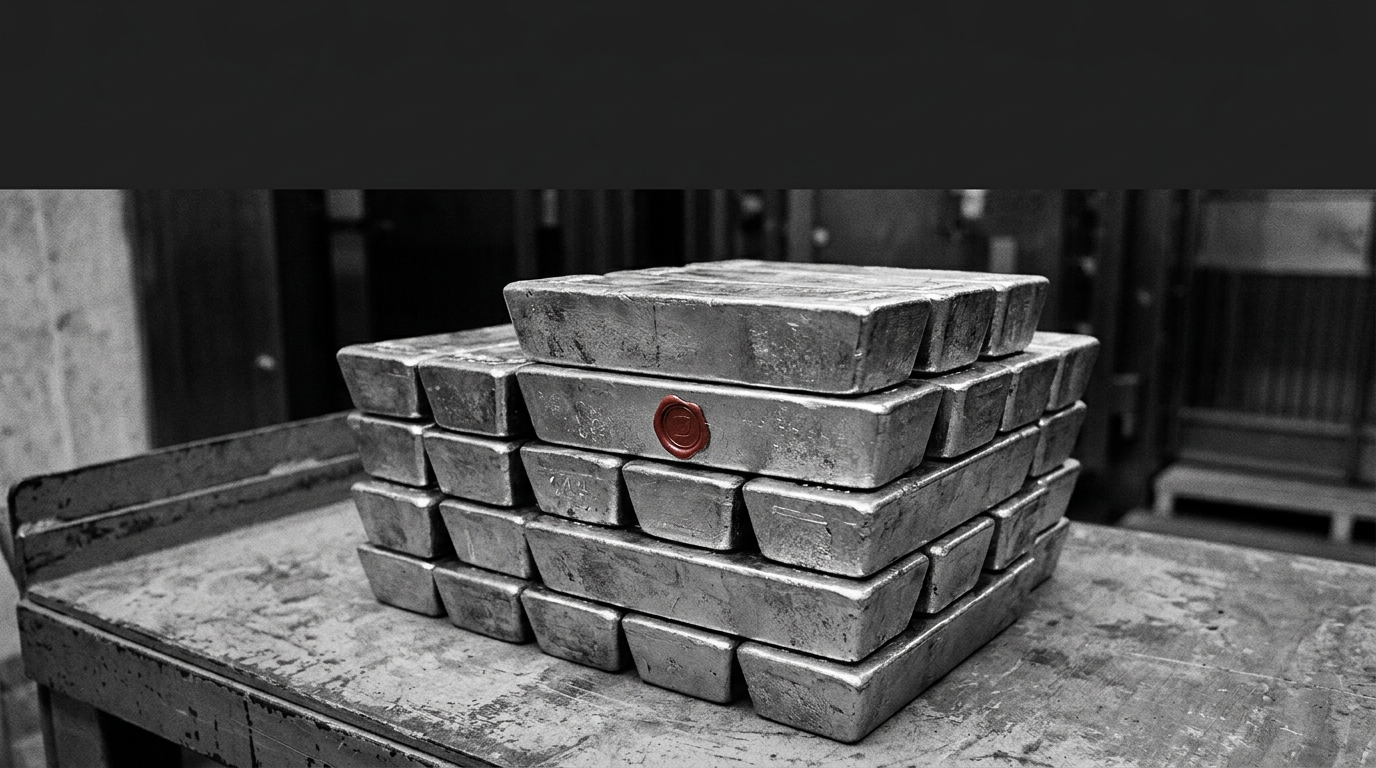
Gold's recent decline from record highs exceeding $2,400 per ounce represents a temporary halt rather than the conclusion of its upward trajectory, according to a recent analysis from Goldman Sachs. The bank highlighted robust physical demand, particularly from central banks, as a key factor establishing a solid base for the precious metal, even amidst fluctuating signals regarding future Federal Reserve policy.
Gold's performance throughout the current year has exceeded the expectations of many market participants. The metal reached unprecedented nominal values in April, surpassing $2,400 per ounce. This occurred despite traditional headwinds, including a strong US dollar and persistent inflation data, which have led markets to adjust their forecasts for Federal Reserve interest rate reductions. Typically, elevated real interest rates increase the opportunity cost of holding non-yielding assets like gold, thereby exerting downward pressure on its price.
Key Drivers Counteracting Rate Pressure
Two primary factors have mitigated the influence of higher interest rates on gold prices. Firstly, a substantial geopolitical risk premium has been incorporated into gold's valuation, largely attributed to escalating conflicts in the Middle East, including tensions involving Iran. Secondly, and more fundamentally, central banks globally have maintained a consistent multi-quarter purchasing trend.
Official sector acquisitions have absorbed a significant portion of the annual mine production of gold. This sustained demand creates a supply-demand imbalance that is less susceptible to fluctuations in Western institutional investor flows and prevailing interest rate expectations, fundamentally altering traditional market dynamics.
Structural Shift in Gold Market The perspective put forth by Goldman Sachs indicates a potential structural transformation within the gold market.
If the substantial demand from central banks has indeed fundamentally reshaped the supply-demand balance, gold's historical inverse correlation with US interest rates may be durably weakened. This challenges conventional models utilized by numerous macroeconomic funds and commodity trading advisors, which traditionally rely on this inverse relationship.
Traders who have adopted short positions on gold, anticipating a hawkish Federal Reserve or a strengthening dollar, might find themselves on the incorrect side of this trade if sustained physical demand from official institutions continues to provide constant buying support. This dynamic extends beyond mere gold trading, carrying broader implications.
Implications for Global Reserves and Investors
The magnitude of central bank gold accumulation, especially by non-Western nations, is interpreted by some as a long-term strategic move to diversify national reserves away from reliance on the US dollar. For financial markets, this trend suggests a persistent demand for hard assets, serving as a hedge against both geopolitical instability and potential fiscal dominance in developed economies. A gold price less responsive to Federal Reserve policy adjustments could also diminish its efficacy as a straightforward rates hedge, prompting investors to re-evaluate its role within diversified multi-asset portfolios.
The validity of the thesis—that central bank buying has established a floor for gold prices—will be rigorously tested by upcoming Federal Reserve actions. Should the Federal Open Market Committee (FOMC) meeting deliver a surprisingly hawkish 'dot plot' or forward guidance, indicating prolonged higher rates, gold would typically be expected to fall below its recent support levels. Conversely, if Fed officials signal increased concern over decelerating economic growth, or if Middle East tensions escalate further, gold prices are likely to resume their upward trend and potentially challenge previous all-time highs.