Amazon Acquires Globalstar for $11.57B, Bolstering Satellite Network
Amazon buys Globalstar for $11.57B, aiming to boost Project Leo satellites, enable D2D services, and expand remote coverage.
Jason Kwon ·
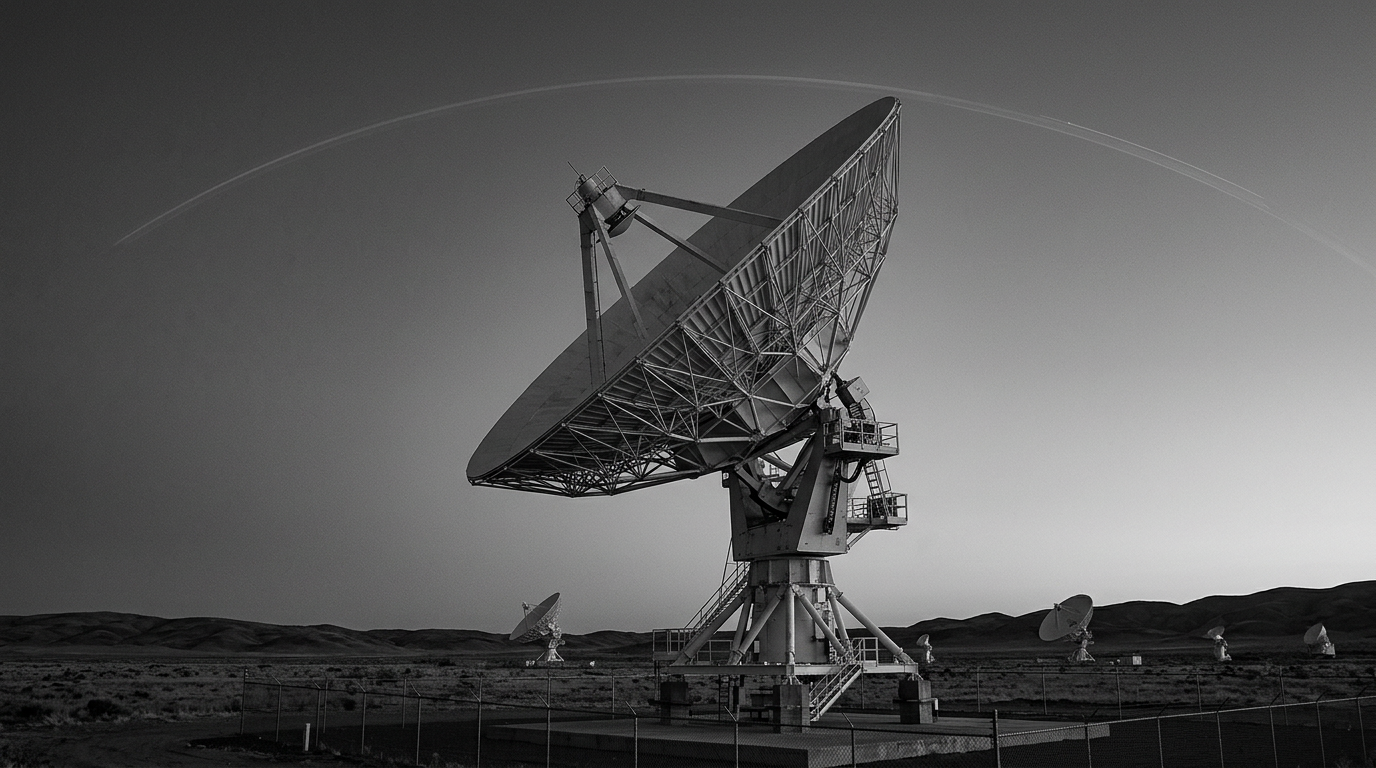
Amazon.com Inc. said on April 19, 2026 that it has acquired satellite communications company Globalstar in an $11.57 billion deal paid in cash and stock. The company said the purchase is designed to strengthen Project Leo , Amazon’s low Earth orbit satellite network initiative. Amazon said the goal is to enable direct-to-device (D2D) services and widen cellular coverage in remote areas.
The transaction also formalizes an existing relationship involving Apple . Amazon said Amazon Leo will support satellite services for certain Apple devices, tying the acquisition to a partnership already in place. The company framed the deal as part of a broader connectivity buildout rather than a standalone corporate action.
Amazon said it has invested more than $100 billion into Project Leo, which it said was formerly known as Project Kuiper . The company described the network’s intended role as a “cell tower in the sky,” aimed at delivering internet access to underserved regions. By acquiring Globalstar, Amazon said it gains access to Globalstar’s assets and spectrum, which it expects to improve its ability to deliver satellite-based connectivity.
Amazon also linked the acquisition to its cloud strategy, saying the added satellite capabilities can be integrated with Amazon Web Services (AWS) for storage, AI tools, and analytics. The company reported that AWS generated $35.6 billion in sales in Q4 2025 , representing 16.7% of Amazon’s total sales of $213.4 billion in the same period. Data cited in the report said AWS held a 28% share of the global cloud infrastructure market.
Market commentary included an update from Goldman Sachs , which kept a “buy” rating on Amazon shares. The firm set a 12-month price target of $275, implying a 10.4% upside from the stock’s trading price of $249.02 at the time of the report. Goldman Sachs described the Globalstar purchase as a strategic step to accelerate Amazon’s satellite connectivity plans, rather than treating it as a conventional merger-and-acquisition catalyst on its own.
The report also highlighted several uncertainties tied to execution and cost. It cited a slow launch cadence, noting that only 243 of 3,236 proposed satellites have been deployed. It also pointed to valuation concerns, describing the acquisition price as nearly 40 times Globalstar’s 2026 sales, and flagged Amazon’s projected capital expenditure of about $200 billion in 2026, largely directed toward AWS and AI.