US GDP Growth Slows to 0.7% in Q4 2025
US GDP growth slowed significantly to 0.7% in Q4 2025, down from 4.4% in Q3, driven by reduced government spending and exports.
Atlas Newsdesk ·
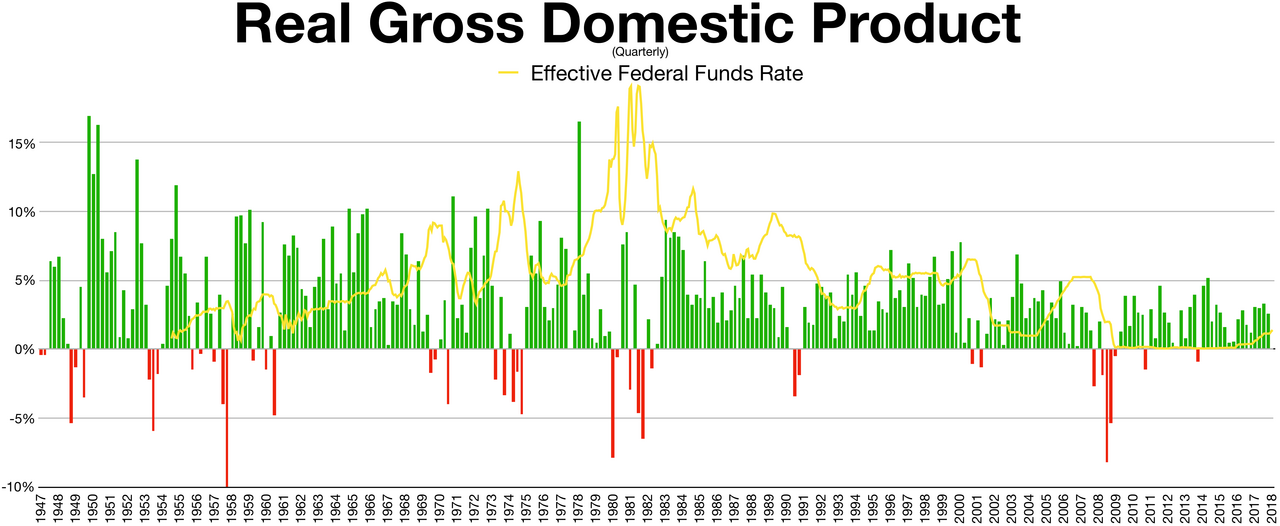
The United States economy experienced a notable slowdown in its expansion during the final quarter of 2025. Data released by the U.S. Bureau of Economic Analysis on Friday, March 13, 2026, indicated that real Gross Domestic Product (GDP) advanced at an annualized rate of 0.7 percent. This figure represents a significant deceleration compared to the 4.4 percent growth recorded in the preceding third quarter of 2025.
This economic moderation was primarily attributed to reduced government expenditures and a decline in exports. Additionally, consumer spending, a key driver of the U.S. economy, showed a slower pace of growth. These factors collectively outweighed an acceleration in private investment, which provided some counterbalancing effect.
Revised Economic Indicators for Q4
For the entirety of 2025, the U.S. economy expanded by 2.1 percent. This full-year growth rate was also revised down by 0.1 percentage point from earlier projections. The primary contributors to this annual growth were sustained increases in consumer spending and business investment across the year.
Inflationary Pressures Persist
The core PCE price index, which excludes volatile food and energy components, also registered a 2.7 percent increase in the fourth quarter. Both the PCE and core PCE figures remained consistent with prior estimates. For the full year 2025, the price index for gross domestic purchases and the PCE price index each increased by 2.6 percent, while the core PCE index advanced by 2.8 percent.
Context of Economic Performance
The interplay between slowing demand components and ongoing price pressures presents a complex picture for policymakers. The revised data provides a more complete, albeit less optimistic, view of the economic landscape at the close of 2025, setting the stage for economic trends into the subsequent year.
Implications
Country Impact: The U.S. economy faces challenges from slowing consumer spending and government outlays, potentially impacting employment and overall economic stability. Policymakers will likely scrutinize these trends for signs of a broader economic contraction.
Industry Impact: Sectors reliant on consumer discretionary spending and exports may experience reduced demand. Industries involved in government contracts could also see a slowdown, while investment-driven sectors might show resilience.
Market Impact: Financial markets may react to the decelerating growth with increased volatility, particularly in equity markets. Bond yields could reflect expectations of potential Federal Reserve policy adjustments in response to economic cooling and persistent inflation.