Strait of Hormuz Closure Threatens $5 Gas Prices
U.S. gas prices could exceed $5 by mid-April if the Strait of Hormuz stays closed, J.P. Morgan said Tuesday, citing supply disruptions.
Atlas Newsdesk ·
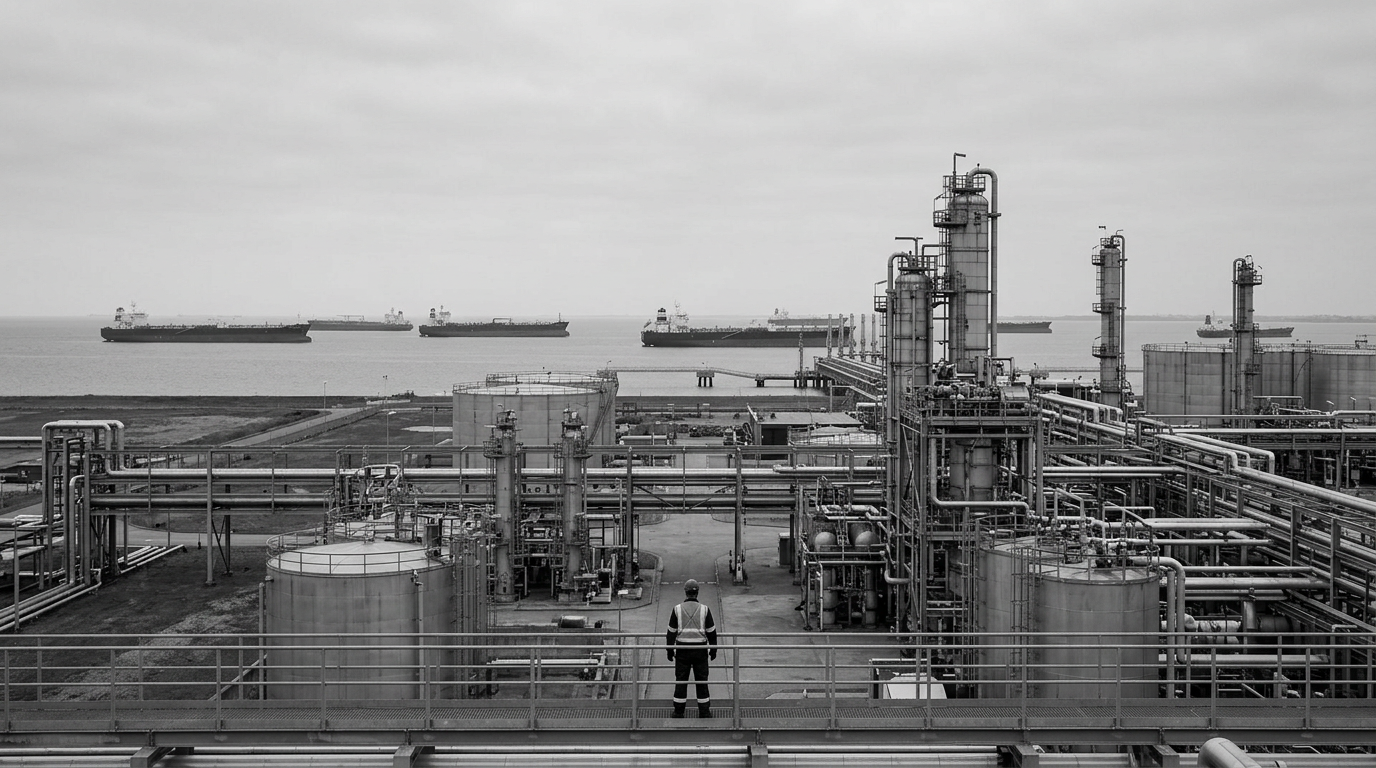
U.S. gasoline prices could move above $5 per gallon by mid-April if the Strait of Hormuz remains closed , according to J.P. Morgan energy analysts on Tuesday. The analysts tied the risk to continued disruption of oil shipments through the waterway, which is described as critical for global flows.
The projection comes after a sharp rise in pump prices since the start of the Iran conflict in February. The average national gasoline price was $4.14 per gallon on Tuesday, compared with $2.98 before hostilities began, reflecting a $1.16 per gallon increase over that period, the report said.
J.P. Morgan also quantified the consumer impact of higher fuel costs. The bank estimates that each $0.10 increase in the average gasoline price adds more than $12 billion to annual consumer spending on gasoline. Based on that relationship, the recent jump in prices—if it persists—could cut consumer purchasing power by about $100 billion, the analysts said.
The note added that the hit to household budgets could counterbalance larger tax refunds expected by many Americans. The analysts did not provide a specific estimate for the size of those refunds, but framed the comparison as a way to illustrate how fuel inflation can quickly absorb cash that might otherwise support other spending.
Shipping data cited in the report pointed to a steep decline in activity through the Strait of Hormuz. A United Nations panel reported that transits fell from about 130 ships per day in February to six in March. Officials said traffic improved to 21 ships over the recent weekend, but the level remained far below what was seen before the conflict, keeping supply concerns elevated.
For global markets, the Strait of Hormuz is a closely watched chokepoint because disruptions can affect crude supply routes and, by extension, refined fuel prices. The figures cited by the United Nations panel underscore how quickly shipping patterns can change during geopolitical stress, and how those shifts can feed into consumer prices in large importing economies such as the United States.
Key uncertainties remain centered on whether the waterway stays closed and how quickly traffic can normalize. The J.P. Morgan scenario explicitly depends on continued closure, while the partial rebound in weekend transits suggests conditions may be fluid. Until there is clarity on shipping volumes and the durability of the recent uptick, the outlook for U.S. pump prices and household fuel costs remains sensitive to developments around the strait.