Trump-Affiliated Group Uses Fallen Soldier Image for Fundraising
A Trump-affiliated group used an image of fallen soldiers for fundraising, drawing criticism from Democrats and sparking debate on campaign ethics.
Lauren Collins ·
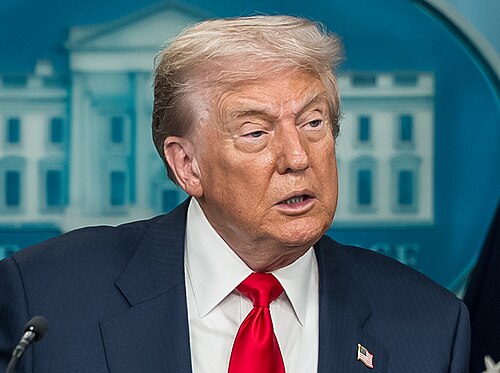
A political fundraising committee, Never Surrender, linked to former U.S. President Donald Trump, recently distributed an email featuring an image of Mr. Trump saluting military caskets. The communication, sent on Thursday, March 13, aimed to solicit donations by offering access to "National Security Briefing Membership" and "private national security briefings."
The image depicted a dignified transfer ceremony at Dover Air Force Base on March 7. This event honored six U.S. Army Reservists who died in a drone attack in Kuwait, attributed to an Iranian-backed militia. The email's content included a statement asserting, "I’m the strong commander who stares down tyrants, obliterates terrorists, and never backs down," alongside links directing recipients to a donation portal.
Political Reactions and Ethical Concerns
Democratic officials and lawmakers swiftly criticized the fundraising approach. They condemned the utilization of a solemn military ceremony, specifically one involving fallen service members, for political fundraising purposes. This incident highlights ongoing debates regarding the appropriate use of military imagery in political campaigns.
Context of Military Honors and Political Messaging
Dignified transfer ceremonies are deeply respectful events, traditionally shielded from political exploitation. These ceremonies are conducted to honor service members who have died in the line of duty, ensuring their remains are returned with utmost reverence. The inclusion of such an image in a fundraising appeal has sparked a broader discussion about the boundaries between national mourning and political solicitation.
Broader Implications for Campaign Ethics
The use of sensitive imagery in political fundraising is not unprecedented but frequently draws scrutiny. Critics argue that such tactics can be perceived as disrespectful to the fallen and their families, potentially undermining the non-partisan nature of military service. The incident underscores the continuous tension between campaign finance needs and ethical considerations in political messaging.
Response from Political Entities
Neither the White House nor the Republican National Committee provided comments when approached regarding the fundraising email. This lack of official response from key political organizations leaves the criticism largely unanswered, further fueling public and political debate on the matter. The event adds to a series of instances where political campaigns have faced questions over their use of emotionally charged national symbols and events.
Implications
Country Impact: The incident has intensified political debate within the U.S. regarding campaign ethics and the appropriate use of military imagery. It could influence public perception of political fundraising practices and the respect accorded to military personnel.
Industry Impact: For political campaign strategists and fundraising organizations, this event serves as a cautionary tale regarding the potential backlash from using sensitive national events for solicitation. It may lead to increased scrutiny of campaign messaging content.
Market Impact: While direct market impact is minimal, such controversies can indirectly affect investor confidence in political stability or specific political figures. It highlights the non-financial risks associated with political campaigns and public sentiment.