Trump Threatens Iran's Kharg Island Amid Escalation
U.S. President Trump threatened further strikes on Iran's Kharg Island and urged naval deployments to the Strait of Hormuz amid escalating conflict.
Lauren Collins ·
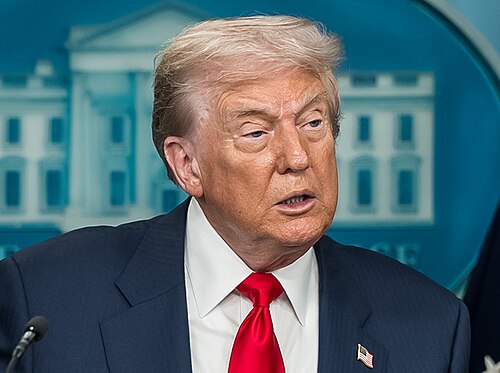
U.S. President Donald Trump issued a warning on Sunday, March 15, 2026, indicating potential further military actions against Iran's Kharg Island, a critical oil export facility. This statement follows earlier U.S. strikes that Trump claimed had significantly damaged the island. The President also called upon allied nations to deploy naval assets to the Strait of Hormuz to ensure maritime security.
This escalation in rhetoric comes as Iran has pledged to intensify its own responses to the ongoing conflict. Diplomatic initiatives aimed at de-escalating the situation have reportedly been rejected by the U.S. administration. Sources familiar with the matter indicated that the Trump administration declined proposals from Middle Eastern allies for a ceasefire.
Conflict Intensifies Across Region
The conflict, which commenced on February 28, has resulted in a significant loss of life, with government and state media reports indicating over 2,000 fatalities, primarily within Iran. Iran has continued its military operations, including a drone attack on an energy hub in the United Arab Emirates on Saturday and a missile strike targeting the U.S. embassy in Baghdad on Friday. Following these incidents, the U.S. government advised its citizens to depart Iraq.
Economic Repercussions and Maritime Security
The Strait of Hormuz, a vital global shipping lane, has experienced disruptions to oil transportation, contributing to a sharp increase in energy prices. Some oil-loading activities in the UAE's Fujairah emirate were temporarily halted after a drone incident. Iran has issued warnings to civilians in the UAE, urging them to evacuate ports and areas associated with U.S. forces, declaring any U.S.-linked facility a legitimate target.
International Calls for De-escalation
The international community remains concerned about the widening scope of the conflict and its potential impact on global stability and energy markets. Calls for de-escalation and renewed diplomatic efforts are growing, though the immediate prospects for a ceasefire appear limited given the current stance of the involved parties. The focus remains on preventing further military engagements and ensuring the safety of international shipping routes.
Geopolitical Implications
The ongoing tensions underscore the volatile geopolitical landscape in the Middle East. The direct threats to critical infrastructure like Kharg Island and the targeting of diplomatic missions signal a dangerous phase in the conflict. The involvement of regional actors and the disruption of global energy supplies highlight the far-reaching consequences of continued hostilities.
The situation demands careful monitoring by international observers and policymakers to mitigate broader regional and global instability.
Implications
Country Impact: The escalating conflict directly impacts Iran and Iraq, facing military strikes and civilian casualties. The UAE is also affected by drone attacks and warnings, raising regional security concerns.
Industry Impact: The energy sector faces significant disruption, particularly oil shipping through the Strait of Hormuz, leading to increased global energy prices and operational suspensions in key loading facilities.
Market Impact: Global financial markets are reacting to heightened geopolitical risk, with energy prices experiencing upward pressure. Investor confidence in the stability of Middle Eastern markets is likely to diminish.