Fuel risk rises after Ukrainian refinery strikes
Ukraine said it hit a Russian refinery for the second time in a week, raising refined-product supply concerns.
Mateo Fernandez ·
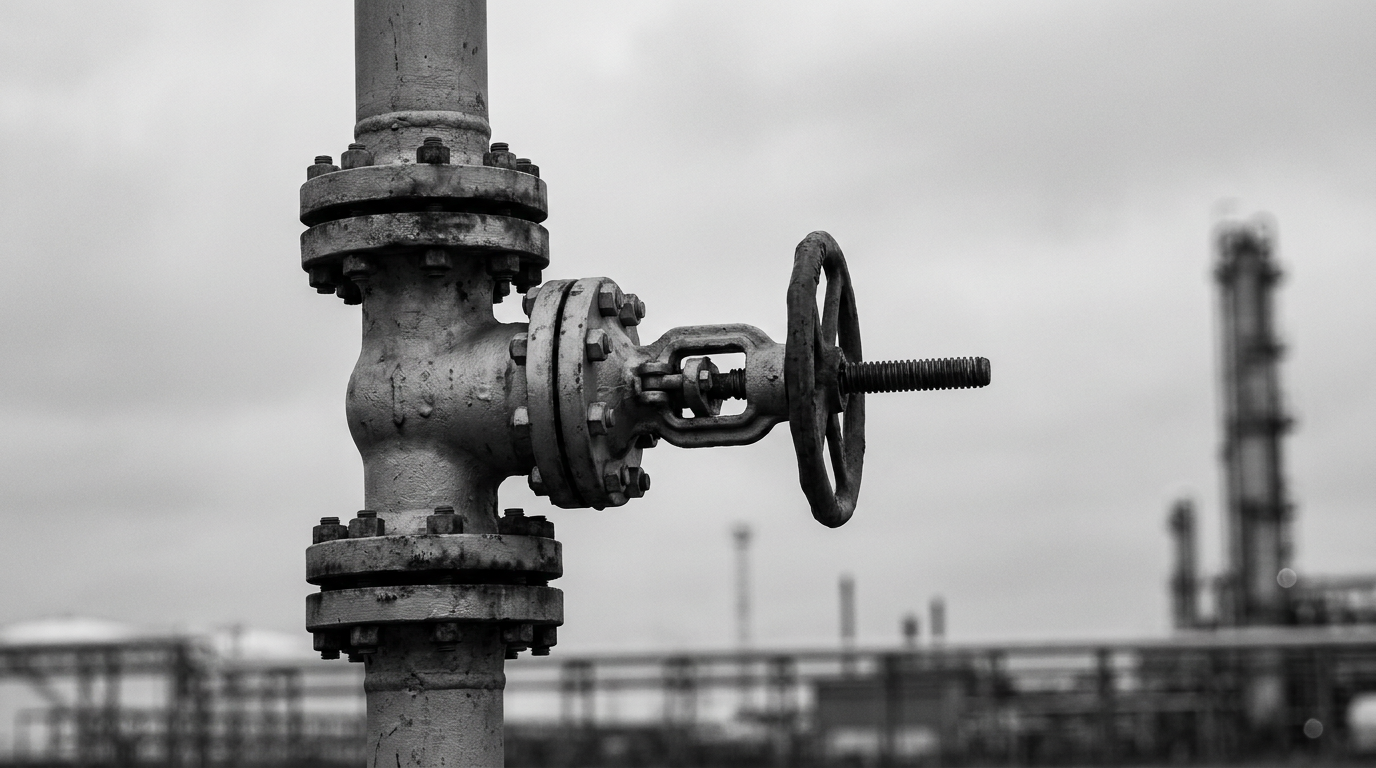
President Volodymyr Zelensky said Wednesday that Ukraine hit a Russian oil refinery for the second time in a week, extending a campaign against energy infrastructure that has pushed Russia toward a summer fuel crunch. Reaction pending in crude and refined-product markets.
The attacks matter for commodities because refineries convert crude into diesel, gasoline and jet fuel. Damage to processing units can tighten product supply even when crude production itself is not immediately reduced.
Russian refineries carry fuel risk
The immediate pressure is inside Russia's domestic fuel system. Summer driving, farm activity and military logistics all lift demand for refined products, leaving fewer buffers when processing units are shut, slowed or moved into repair.
Ukraine has framed strikes on energy assets as a way to weaken Moscow's war economy. Russian energy sites support state revenue and domestic supply, so repeated attacks can force operators to divert air defense, repair crews and rail capacity toward keeping fuel moving.
For global markets, the mechanism is narrower than a broad crude shock. If refinery outages remain localized, international crude balances may see limited change, while diesel and gasoline margins can react more sharply. If attacks spread or repairs drag, traders may price a larger disruption risk into regional product flows.
By July 8, markets will be watching whether Russia reports fresh refinery
damage, export restrictions or emergency supply measures.
If the strike tempo slows, pressure may stay mostly domestic; if it
continues, the risk shifts from isolated outages to a wider refined-fuel squeeze.