Oil Prices Top $100, Driving Airline Fare Hikes
Global crude oil benchmarks surpass $100/barrel, driven by Middle East geopolitical tensions. This price surge impacts markets.
Atlas Newsdesk ·
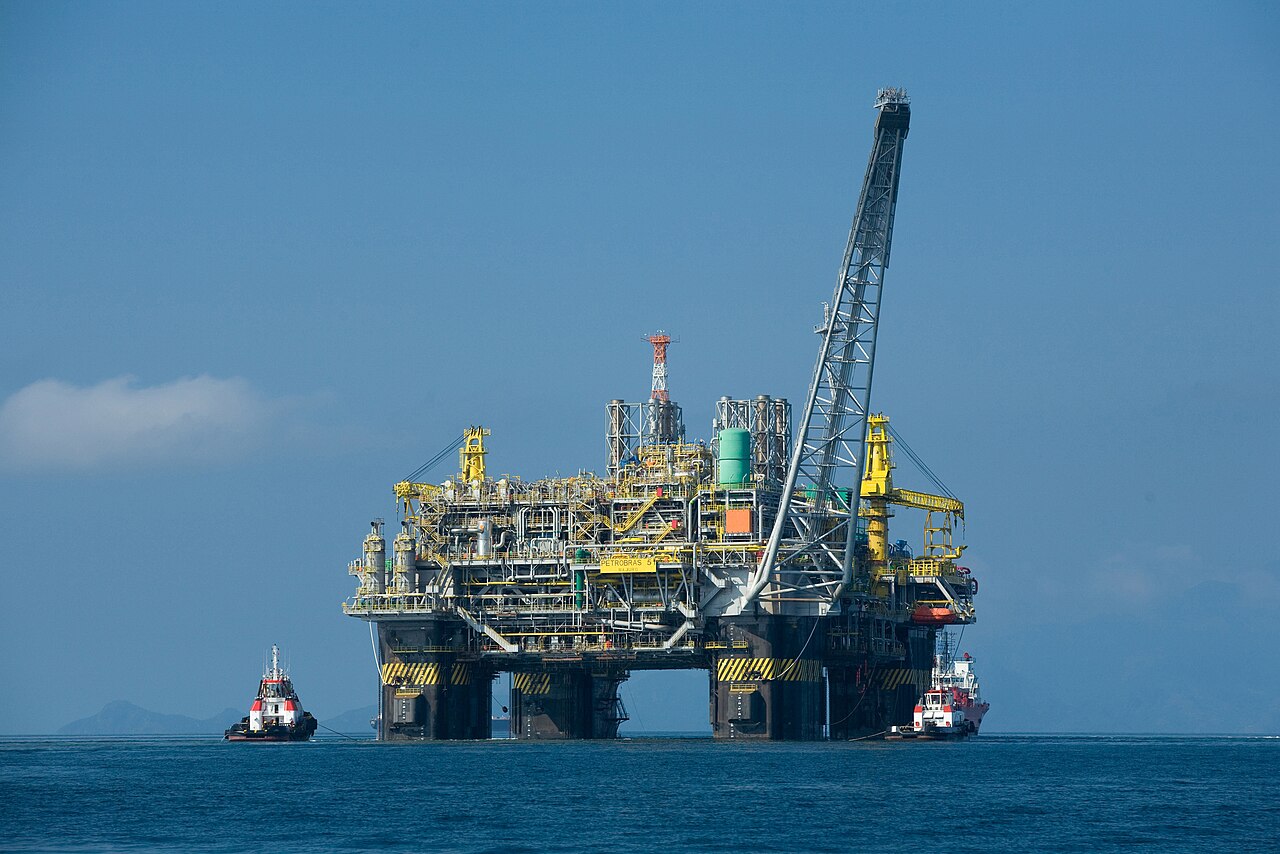
Global crude oil benchmarks recently exceeded $100 per barrel, a development primarily influenced by heightened geopolitical tensions in the Middle East. This significant price surge is compelling international air carriers to implement fare increases, with potential implications for domestic air travel costs in the United States.
Brent crude, a key international benchmark, surpassed the $100 mark, reflecting a substantial increase since the start of the year. This upward trajectory in oil prices directly impacts the operational expenses of airlines, as fuel represents a major cost component for the industry.
Geopolitical Factors Fueling Price Rises
The primary catalyst for the recent oil price escalation is the ongoing instability in the Middle East. Disruptions to oil shipments through critical maritime chokepoints, such as the Strait of Hormuz, coupled with military actions targeting regional oil infrastructure and tankers, have contributed to supply concerns.
These geopolitical events, including U.S. military operations in the region, have created an environment of uncertainty in global energy markets. Traders and analysts are closely monitoring the situation for further developments that could affect oil production and transportation.
Airline Industry Responds to Higher Costs
In response to the rising cost of jet fuel, several international airlines have already announced adjustments to their pricing structures. Carriers such as Qantas and Scandinavian Airlines have publicly stated their intention to increase fares to mitigate the financial impact of more expensive crude.
This trend is expected to extend to other airlines globally as they seek to maintain profitability amidst elevated operational expenditures. The aviation sector is particularly sensitive to fuel price fluctuations due to its high consumption rates.
Potential Impact on U.S. Domestic Travel
Analysis suggests that the current fuel price environment could lead to notable fare increases for U.S. domestic flights. Industry research indicates that a double-digit percentage increase in ticket prices may be necessary to offset the current fuel expenses faced by American carriers.
Such an adjustment would translate into higher travel costs for consumers, potentially influencing demand for air travel. The extent and timing of these fare hikes will depend on the sustained level of oil prices and individual airline strategies.
Broader Economic Implications
The sustained increase in oil prices carries broader economic implications beyond the aviation sector. Higher energy costs can contribute to inflationary pressures across various industries, affecting consumer spending and overall economic growth. Governments and central banks are monitoring these developments closely as they assess their monetary and fiscal policies.
Historically, significant oil price shocks have often preceded periods of economic slowdown. While the current situation is influenced by specific geopolitical factors, the potential for a broader economic ripple effect remains a key concern for policymakers and market participants alike.