Asian Oil Market Signals Supply Strain
Asian physical oil markets signal a potential supply crisis with surging premiums, driven by Strait of Hormuz disruptions and military actions.
Atlas Newsdesk ·
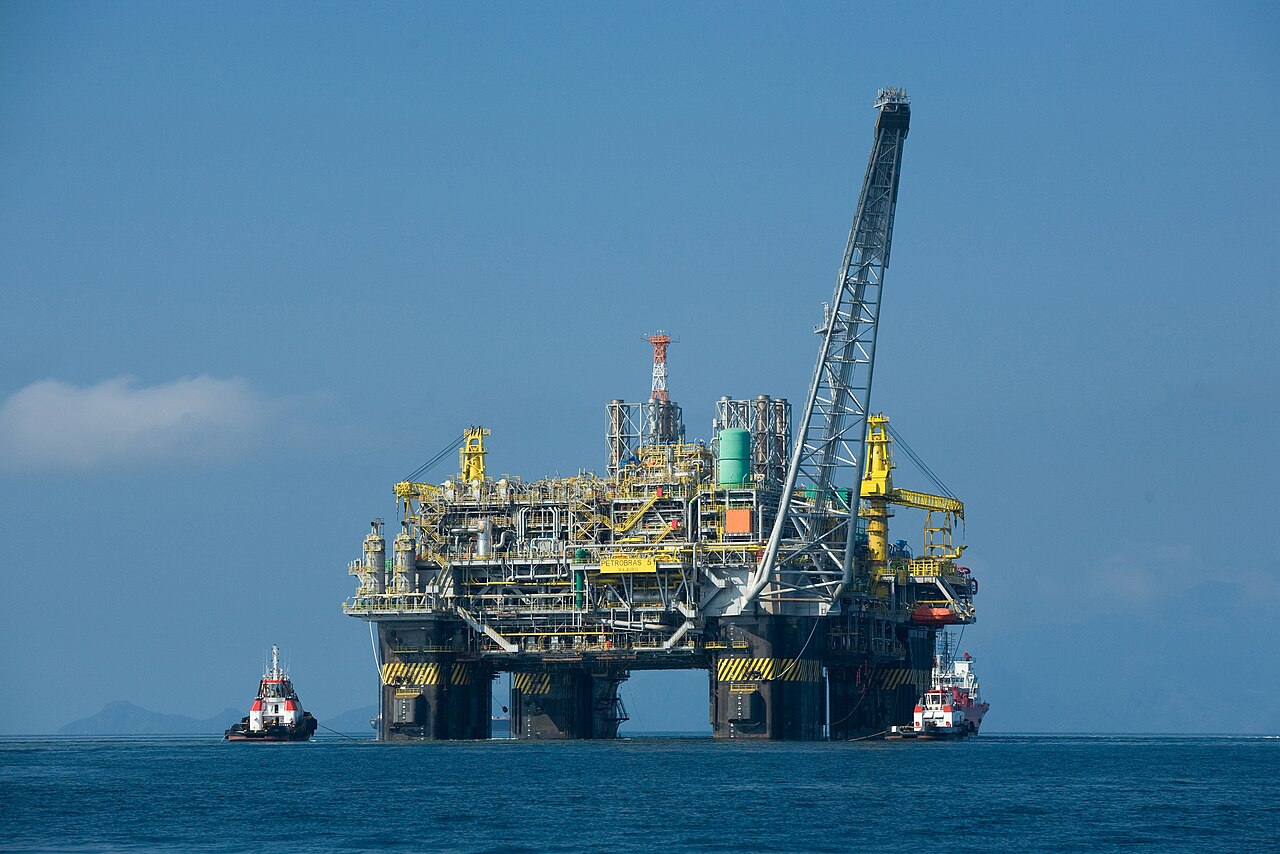
The Asian physical crude oil and refined products market is currently exhibiting significant price premiums, indicating a potential supply crisis. This trend, observed since late February, contrasts with the more stable global crude oil futures prices. The Strait of Hormuz, a critical maritime chokepoint, has experienced disruptions following recent military actions in the Middle East, directly impacting oil flows to Asian economies.
Physical Market Premiums Surge
Physical crude oil benchmarks in Asia have seen substantial increases. The premium for Middle East benchmark Dubai crude over its paper equivalent recently approached $38 per barrel, marking its highest level since the 2022 conflict in Ukraine. This surge reflects immediate concerns about the availability of physical oil supplies in the region.
Refined product markets are also experiencing upward price pressure. Diesel cash differentials in Singapore reached a record $28.69 per barrel, a significant increase from $0.84 per barrel recorded in late February. Similarly, jet kerosene spot prices peaked at $225.44 per barrel earlier in March, settling at $157.12 per barrel, representing a 68% rise from its February 27 price.
Disruptions in Key Shipping Lanes
The primary cause of these market shifts is the ongoing disruption to oil transit through the Strait of Hormuz. This vital waterway typically facilitates the passage of 18 million to 20 million barrels per day of crude oil and refined products destined for Asian markets. The recent U.S. and Israeli aerial campaign against Iran, which commenced on February 28, has been identified as a catalyst for these disruptions.
Unlike previous geopolitical events that led to re-routing of oil supplies, the current situation involves a direct impediment to a major chokepoint, offering limited alternative transportation routes for large volumes of oil. This geographical constraint exacerbates the supply concerns for Asian refiners and consumers.
Regional Responses and Outlook
In response to the tightening supply, refineries across Asia are reportedly reducing their processing rates. Additionally, countries like China are implementing measures to restrict fuel exports, prioritizing domestic demand over international sales. These actions underscore the severity of the supply challenges faced by the region.
International bodies are monitoring the situation, with proposals such as the release of strategic petroleum reserves being considered. However, a potential release of 400 million barrels from strategic reserves, as suggested by the International Energy Agency, may not fully alleviate the specific supply shortages affecting Asian markets.
The escalating premiums in the physical market suggest a severe strain on global supply chains, with potential for further market volatility as nations potentially begin to stockpile fuel reserves.
Implications
Country Impact: Asian nations, particularly those heavily reliant on Middle Eastern oil imports, face increased energy costs and potential fuel shortages. China's restriction on fuel exports could impact regional supply dynamics.
Industry Impact: Refining industries in Asia are likely to experience reduced throughput and higher input costs, potentially affecting profitability. Shipping and logistics sectors face increased risks and operational challenges in the Strait of Hormuz.
Market Impact: Global crude oil futures may see upward pressure, though physical market premiums are currently diverging significantly. Refined product prices, especially diesel and jet fuel, are expected to remain elevated, impacting transportation and aviation sectors.