US Borrowing Costs Surge Amid Conflict
US borrowing costs hit 17-year highs as the Federal Reserve holds rates steady amid escalating military conflict in Iran and rising energy prices.
Atlas Newsdesk ·
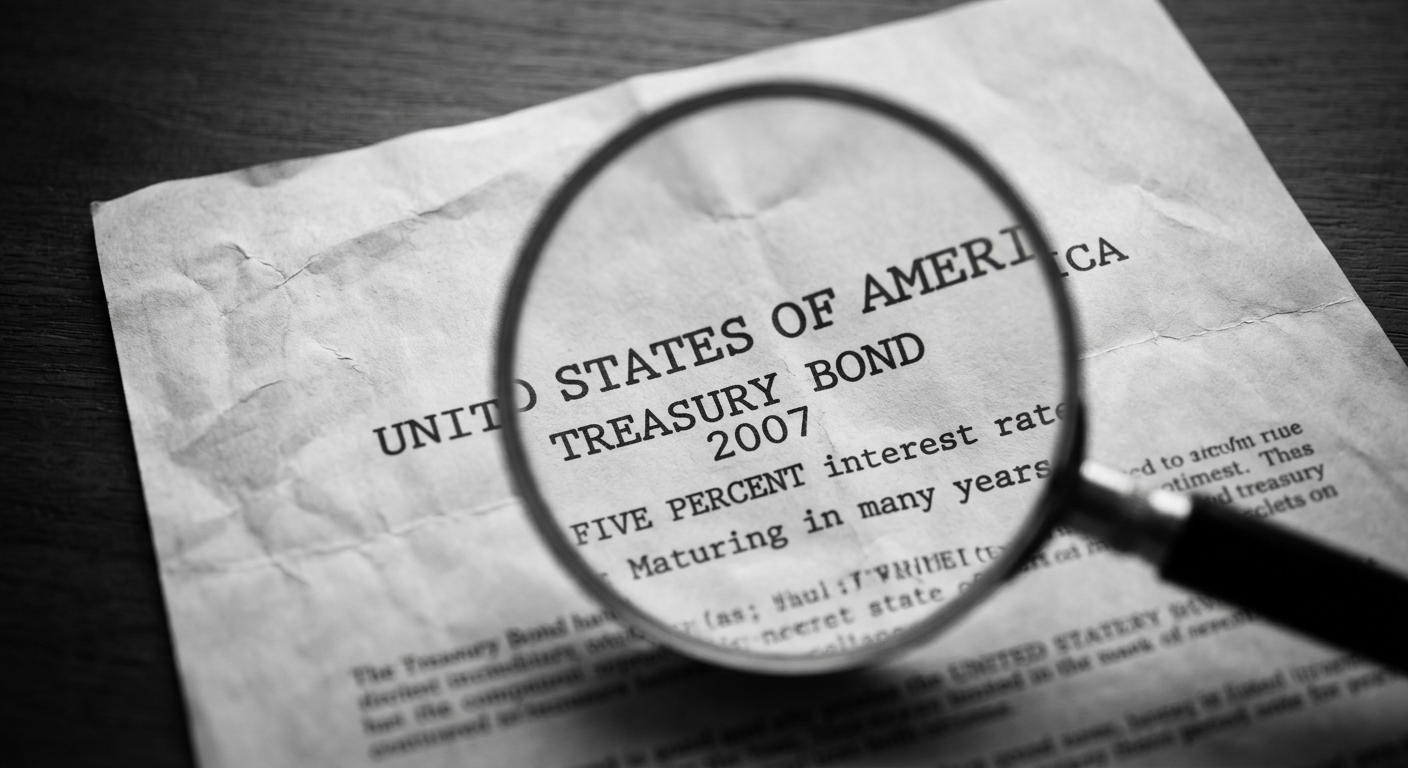
US government borrowing costs reached their highest levels since 2007 on Thursday following the Federal Reserve's decision to maintain current interest rates. The central bank's refusal to adjust policy, coupled with the resumption of military strikes against Iranian targets, triggered a broad market sell-off. The S&P 500 declined 1.5 percent, while the Dow Jones Industrial Average and Nasdaq fell 2.2 percent and 1.7 percent, respectively.
The mechanism driving this volatility is a dual-threat environment: persistent inflationary pressure and geopolitical instability. The Federal Reserve's commitment to holding rates steady reflects concerns that inflation, which reached 3.5 percent in June, remains unanchored. Simultaneously, the escalation of hostilities in the Middle East has disrupted energy markets, with Brent crude prices rising 7.3 percent to exceed 88 dollars per barrel.
The transmission of these shocks is immediate, as higher borrowing costs increase the fiscal burden on the US Treasury while rising energy prices threaten to further elevate consumer price indices. Analysts anticipate that if the conflict in Iran persists, the resulting supply chain disruptions and energy price volatility will force the Federal Reserve to maintain a restrictive monetary stance for the remainder of the fiscal year, potentially slowing domestic economic growth.