Trump Questions NATO's Role Amid Hormuz Tensions
Former President Trump questioned NATO's value after allies declined to deploy warships to the Strait of Hormuz amid escalating Middle East tensions.
Lauren Collins ·
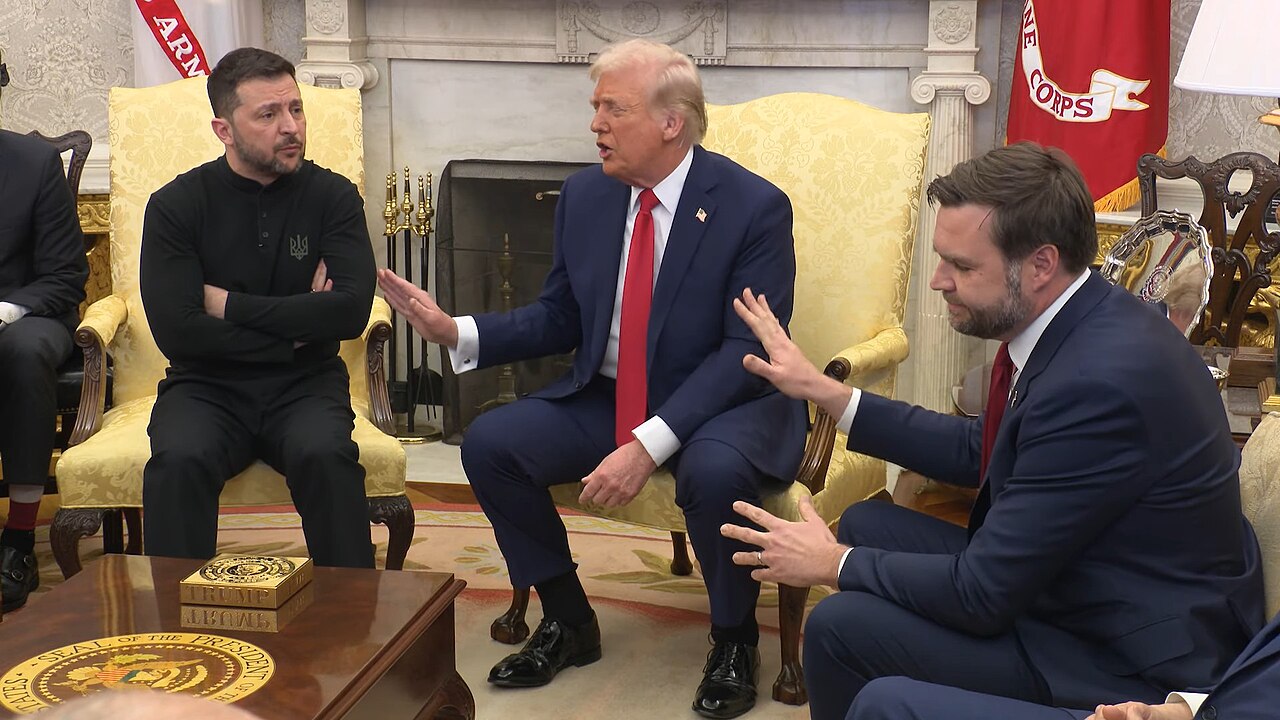
Former U.S. President Donald Trump recently questioned the necessity of the North Atlantic Treaty Organization (NATO) following the refusal of some member states to contribute naval assets for operations in the Strait of Hormuz. Trump characterized this allied inaction as a "very foolish mistake," despite what he described as agreement among allies on the U.S. stance regarding regional security.
Regional Conflict Escalation
This commentary emerged amidst escalating tensions in the Middle East, particularly concerning Iran. A regional conflict, now in its third week, has reportedly resulted in at least 2,000 fatalities. The broader context includes internal U.S. debate regarding the justification for military engagement with Iran.
U.S. Internal Dissent and Military Incidents
Further complicating the situation, Joe Kent, director of the U.S. National Counter-Terrorism Center, resigned, publicly stating his belief that Iran posed no immediate threat to the United States. Concurrently, reports indicated that the USS Gerald R. Ford, deployed in the Red Sea for approximately nine months, sustained fire damage, raising concerns about operational readiness and crew morale.
Iran-Israel Hostilities Intensify
Separately, Iran's army chief, Amir Hatami, issued a pledge of retaliation following the killing of Ali Larijani, Iran's national security council chief, attributed to Israel. This threat was followed by an Israeli missile strike in central Beirut and an Iranian missile attack in central Israel, which resulted in two fatalities. These events underscore the volatile security environment in the region.
Humanitarian Impact and Displacement
The ongoing conflict has also generated a significant humanitarian crisis. The United Nations refugee agency reported that up to 3.2 million people have been displaced within Iran due to the persistent hostilities. This large-scale displacement highlights the severe human cost of the regional instability.
NATO's Strategic Relevance
Trump's remarks about NATO's utility are not new, reflecting a long-standing skepticism about the alliance's burden-sharing and its relevance beyond its traditional European defense mandate. The Strait of Hormuz, a critical chokepoint for global oil shipments, represents a different operational theater than NATO's core focus, raising questions about the alliance's capacity and willingness to engage in such distant security challenges.
The incident underscores the ongoing debate within the alliance regarding its strategic scope and the allocation of military resources among member states, particularly when facing threats outside the Euro-Atlantic area. S. has historically been the primary guarantor of security in the Persian Gulf, and any perceived reluctance from allies to support these operations could lead to further re-evaluations of international security commitments.
Implications
Country Impact: The U.S. faces internal divisions over foreign policy, while Iran and Israel are engaged in direct military exchanges, escalating regional instability. Lebanon is also impacted by Israeli strikes.
Industry Impact: Global energy markets could face increased volatility due to tensions in the Strait of Hormuz, a vital shipping lane. Defense industries may see increased demand for military hardware and services.
Market Impact: Geopolitical tensions in the Middle East typically lead to higher oil prices and increased demand for safe-haven assets like gold and U.S. Treasury bonds, while equity markets may experience downward pressure.