Pompeii Adds Modern Sculptures Across Protected Ruins
Pompeii has approved over 30 contemporary sculptures for display across key ruins, its first modern-art show in 30 years, running to Nov 2026.
Atlas Newsdesk ·
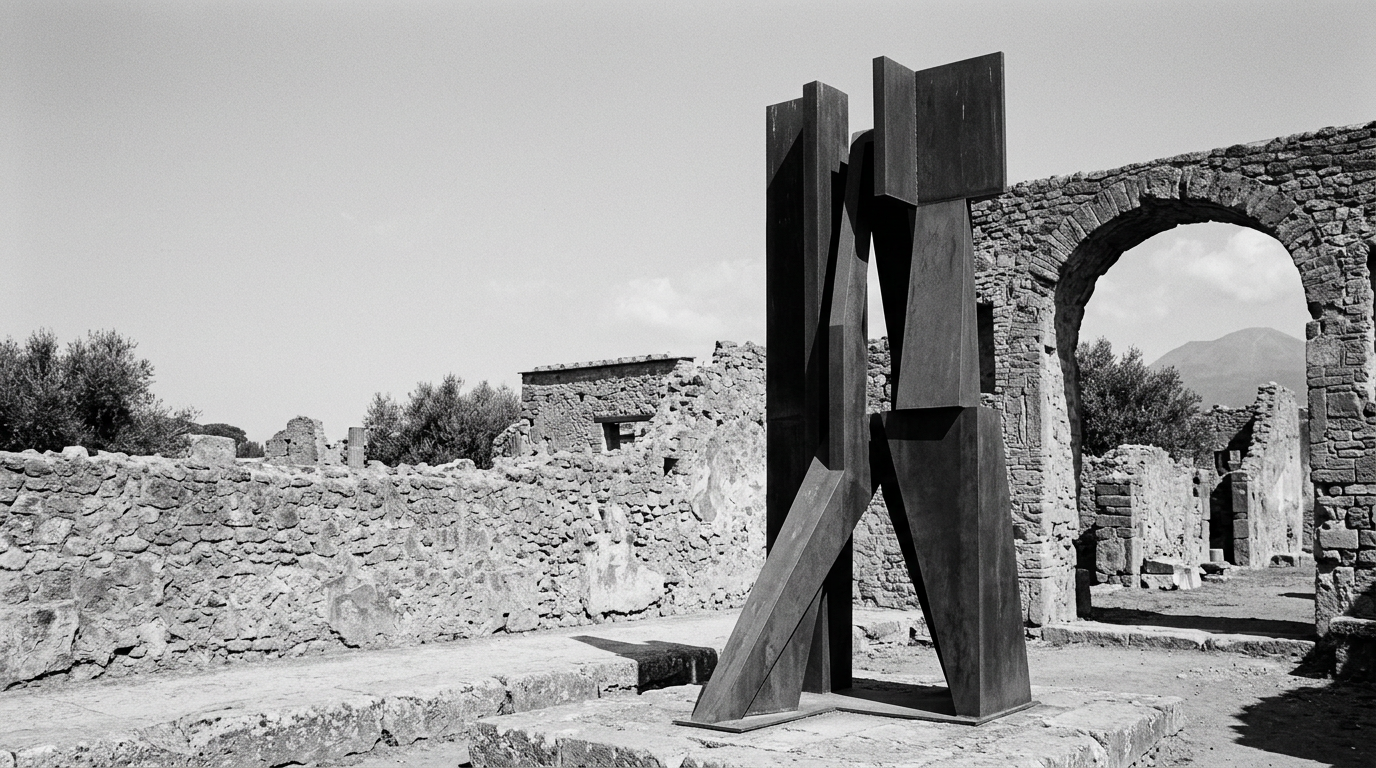
The Pompeii archaeological site has approved the installation of more than 30 contemporary sculptures inside its protected ruins, expanding how the heritage zone is used for public display. Officials authorized the placement of large-scale works in several high-profile and sensitive locations within the site.
The exhibition is titled Pompeii: Pop Mythology and brings steel and bronze pieces into spaces that normally remain defined by the site’s ancient, ash-preserved fabric. The project is set to remain open through November 2026, according to the site’s schedule for the installation.
Exhibition footprint spans antiquarium, basilica, and homes Organizers said the sculptures will be distributed across multiple settings, including the antiquarium and the basilica. The plan also extends into private residential structures within the archaeological area, including the Casa di Cerere and Casa del Fauno.
By selecting these venues, the installation places contemporary forms amid some of the site’s most closely managed spaces. The use of steel and bronze at a monumental scale underscores that the works are intended to be visually prominent rather than confined to a single gallery-style enclosure.
First contemporary art display at Pompeii in three decades Site authorities described the program as the first time contemporary art has been presented at Pompeii in 30 years. That timing makes the initiative a notable break from the site’s more recent approach, where interventions inside the ruins have generally prioritized preservation and interpretation without major modern additions.
Officials framed the decision as a change in management policy on whether and how modern artistic interventions can be integrated within an ancient setting. The approval indicates that the site is willing to test new exhibition formats while keeping the setting’s archaeological character central to visitor experience.
Strict conservation standards shape approvals inside a protected zone Pompeii’s status as a protected archaeological zone means any physical installation is subject to strict heritage conservation standards, officials said. In practical terms, approvals for temporary works must account for the sensitivity of structures and surfaces shaped by the site’s preservation conditions and long-term conservation plans.
While details of the internal review were not disclosed in the announcement, authorities emphasized that the process for authorizing installations is designed to protect the ruins. As the exhibition runs through November 2026, an operational uncertainty for stakeholders is how the long display period will be managed across changing visitor flows and conservation priorities within the protected area.
The project positions Pompeii’s public programming at the intersection of heritage stewardship and contemporary culture, with the site’s oversight framework serving as the main constraint on how the modern works can be placed and maintained.