VOC Shipwreck Exposes Early Global Trade Network Limits
Geological analysis of the Batavia shipwreck reveals the Dutch East India Company’s sophisticated, multi-regional supply chain in the 1600s.
Atlas Newsdesk ·
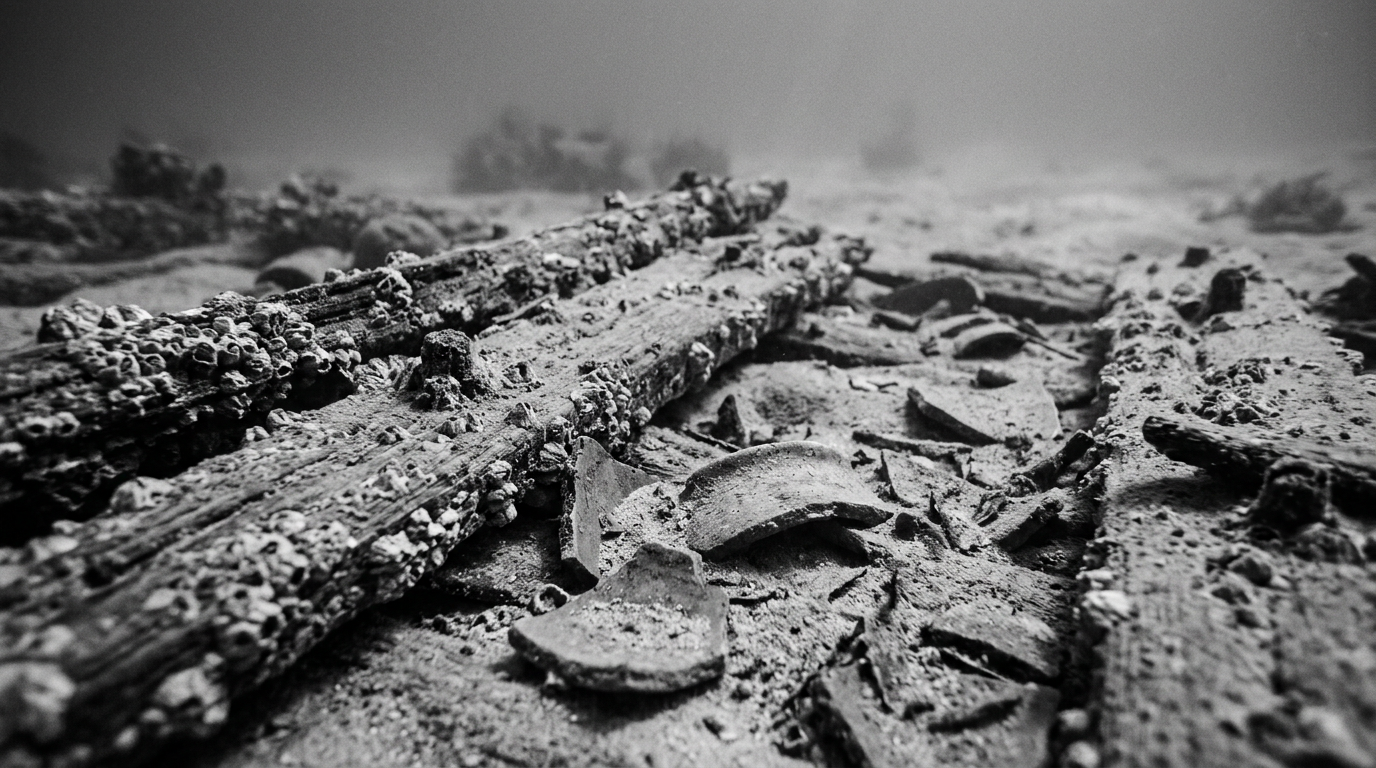
Recent geological analysis of sandstone cargo recovered from the 1629 Batavia shipwreck indicates a highly coordinated, multi-regional supply chain. Zircon crystal analysis confirms that building materials originated from multiple distinct quarries in Germany before being consolidated at a central Dutch hub for transport to the East Indies.
This evidence demonstrates that the Dutch East India Company maintained sophisticated logistical networks capable of sourcing, processing, and shipping heavy infrastructure components across vast distances. The findings provide empirical confirmation of the company's operational scale and administrative reach during the early period of global colonial expansion.
While the shipwreck is historically noted for the mutiny and violence that occurred among survivors, the cargo analysis shifts focus toward the company's institutional capacity. The ability to integrate disparate regional resources into a single colonial project highlights the advanced state of 17th-century corporate logistics and infrastructure management.