Federal Reserve holds rates as three bank chiefs dissent
The Federal Reserve kept rates unchanged in a 9-3 vote, exposing deeper pressure to tighten policy after five years of above-target inflation.
Lauren Collins ·
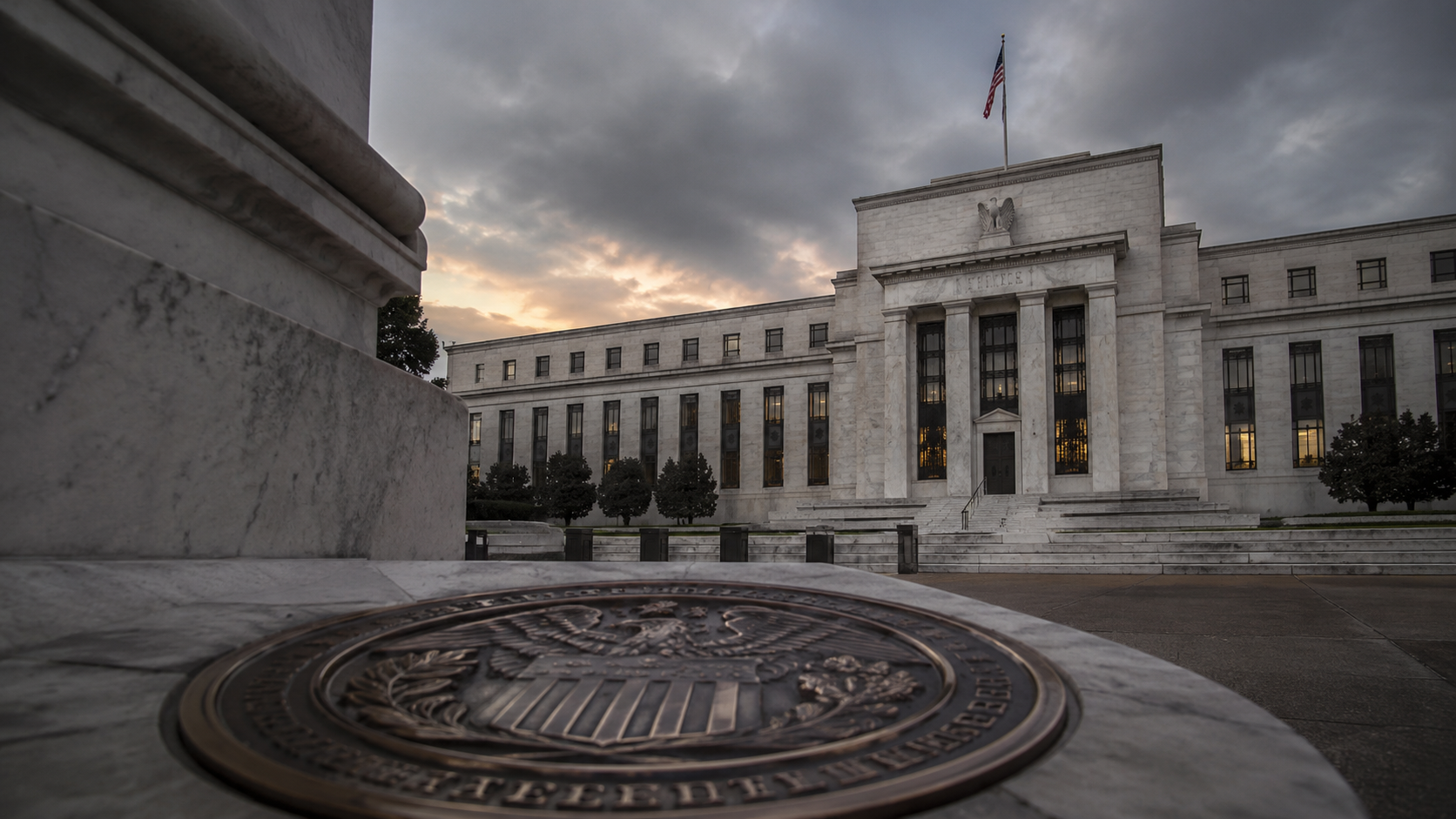
Federal Reserve officials kept rates at 3.5% to 3.75% as three bank presidents pushed for a quarter-point increase in an inflation fight.
The 9-3 decision left policy unchanged for a second straight meeting, even as dissent inside the central bank became harder to dismiss. The rate-setting panel also carried over the same policy language it used in June, a choice that kept Chairman Kevin Warsh’s anti-inflation pledge in the realm of guidance rather than action.
A 9-3 split over rates
The dissenters were Beth Hammack of Cleveland, Neel Kashkari of Minneapolis, and Lorie Logan of Dallas. Each favored raising the benchmark rate by 0.25 percentage point, according to the account of the vote.
Their position was not new. In April, the same three officials resisted a statement that leaned toward the possibility of a rate cut rather than another increase, signaling that their concern over inflation had already hardened before this week’s meeting.
The alignment matters because three officials had not broken in the same policy direction since 2016. A dissent that large does not control the committee, but it narrows the room for a consensus message if inflation fails to soften further.
Warsh’s inflation pledge stalls
Warsh has said he wants to end a stretch in which inflation has run above the Fed’s objective for five years. This meeting did not deliver a rate move to match that vow, leaving the central bank to rely on its statement and future optionality.
The internal divide had been visible before the vote. At the prior meeting, roughly half of officials thought an increase could be justified later this year, showing that the debate was not confined to the three presidents who dissented.
For households and businesses, the immediate result is continuity. Borrowing costs tied to the benchmark rate remain anchored to a 3.5% to 3.75% range, while the policy signal remains contested inside the institution setting that range.
Energy prices reset the calculus
Recent inflation data had eased some of the pressure for an immediate increase. The source account described figures released two weeks earlier as mild enough to reduce the case for action at this meeting.
That relief became less secure after renewed fighting between the U.S. and Iran pushed energy prices higher again last week. Energy costs can work through inflation expectations and business expenses, giving rate hawks a clearer argument if price pressures broaden.
The first path for the Fed is a patient one. If softer inflation data hold and energy prices stop feeding into broader costs, the majority can defend another pause; globally, that would reduce pressure on dollar-linked financial conditions, while the central bank preserves its ability to move later and rate-sensitive sectors gain breathing room.
The second path is tighter. If energy prices keep climbing and inflation readings stop improving, the dissents could become the early marker of a larger push for a quarter-point increase; that would support a tougher anti-inflation stance, raise the burden on borrowers, and force banks and credit-sensitive industries to reprice risk.
The open questions are specific: whether the next inflation readings confirm the recent mild data, whether U.S.-Iran fighting continues to lift energy costs, and whether more officials join Hammack, Kashkari, and Logan. The Fed’s next decision will test whether Warsh can keep a divided committee behind patience, or whether inflation pressure turns words into votes for higher rates.