Israel Strikes Beirut Amid Regional Tensions
Israeli forces strike Beirut after Hezbollah rocket fire. FBI probes US attacks: synagogue ramming & university shooting, escalating regional tensions.
Lauren Collins ·
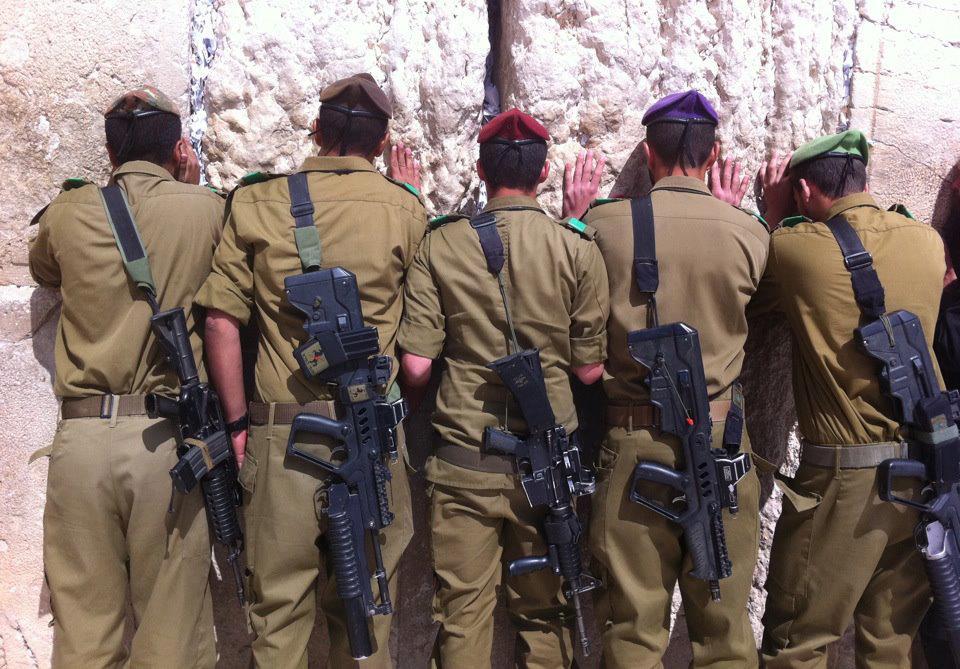
Israeli forces conducted airstrikes in central Beirut on Thursday, March 12, 2026, marking a significant escalation in hostilities. These actions followed rocket attacks launched into Israel by Hezbollah, an Iranian-backed militant organization. The recent exchanges represent some of the most intense confrontations between Israel and Hezbollah since the onset of the broader conflict in Iran.
Simultaneously, the U.S. Federal Bureau of Investigation (FBI) initiated probes into two distinct domestic incidents that occurred on the same day. These investigations are focused on potential links to international events or domestic extremism, highlighting a complex security landscape.
Michigan Synagogue Attack Investigated
In Michigan, an armed individual drove a vehicle into Temple Israel synagogue. The assailant, identified as Ayman Mohamad Ghazali, 41, a naturalized U.S. citizen originally from Lebanon, died following a shootout with security personnel. Investigations are ongoing to determine the precise motive behind this attack.
Authorities have confirmed that Ghazali's family had recently experienced direct losses in the ongoing conflict. Two of his brothers and two nieces or nephews were killed in an Israeli strike in Lebanon earlier in March, with his parents sustaining injuries. This personal tragedy is being considered as a potential factor in the synagogue incident.
Virginia University Shooting
Separately, in Virginia, Mohamed Bailor Jalloh, 36, opened fire within a Reserve Officers' Training Corps (ROTC) classroom at Old Dominion University. This incident resulted in one fatality and two additional injuries. The FBI is also investigating this event to ascertain its motivations and any broader connections.
Broader Context of Regional Instability
The escalation between Israel and Hezbollah occurs within a wider regional context of heightened tensions, particularly stemming from the conflict in Iran. This ongoing instability has ripple effects, influencing security dynamics both regionally and internationally. The involvement of various state and non-state actors contributes to the complexity of the situation.
These events underscore the interconnectedness of global political and security environments. The domestic incidents in the United States, while distinct, are being examined for any potential links or influences from the volatile international landscape. The U.S. government continues to monitor both foreign and domestic threats.
U.S. Legislative Developments
Amidst these security concerns, the U.S. Senate passed a significant housing bill. This legislative action represents the most substantial housing reform in several decades, aiming to address long-standing issues within the housing sector. The passage of this bill indicates ongoing domestic policy efforts despite the concurrent security challenges.
Implications
Country Impact: The U.S. faces increased domestic security concerns, prompting FBI investigations into two separate attacks. Israel and Lebanon experience heightened cross-border hostilities, potentially destabilizing the broader Middle East region.
Industry Impact: Security industries, particularly those focused on counter-terrorism and critical infrastructure protection, may see increased demand. The housing sector in the U.S. will be impacted by new legislative reforms, potentially stimulating construction and development.
Market Impact: Global markets may react to increased geopolitical instability in the Middle East, potentially affecting oil prices and investor confidence. Domestic U.S. markets could see sector-specific shifts due to the new housing legislation.