F-35 Procurement Costs Rise to 536 Billion Dollars Total
The Pentagon reports a 51 billion dollar increase in F-35 procurement costs, with long-term program expenses now projected to reach 2 trillion dollars.
Lauren Collins ·
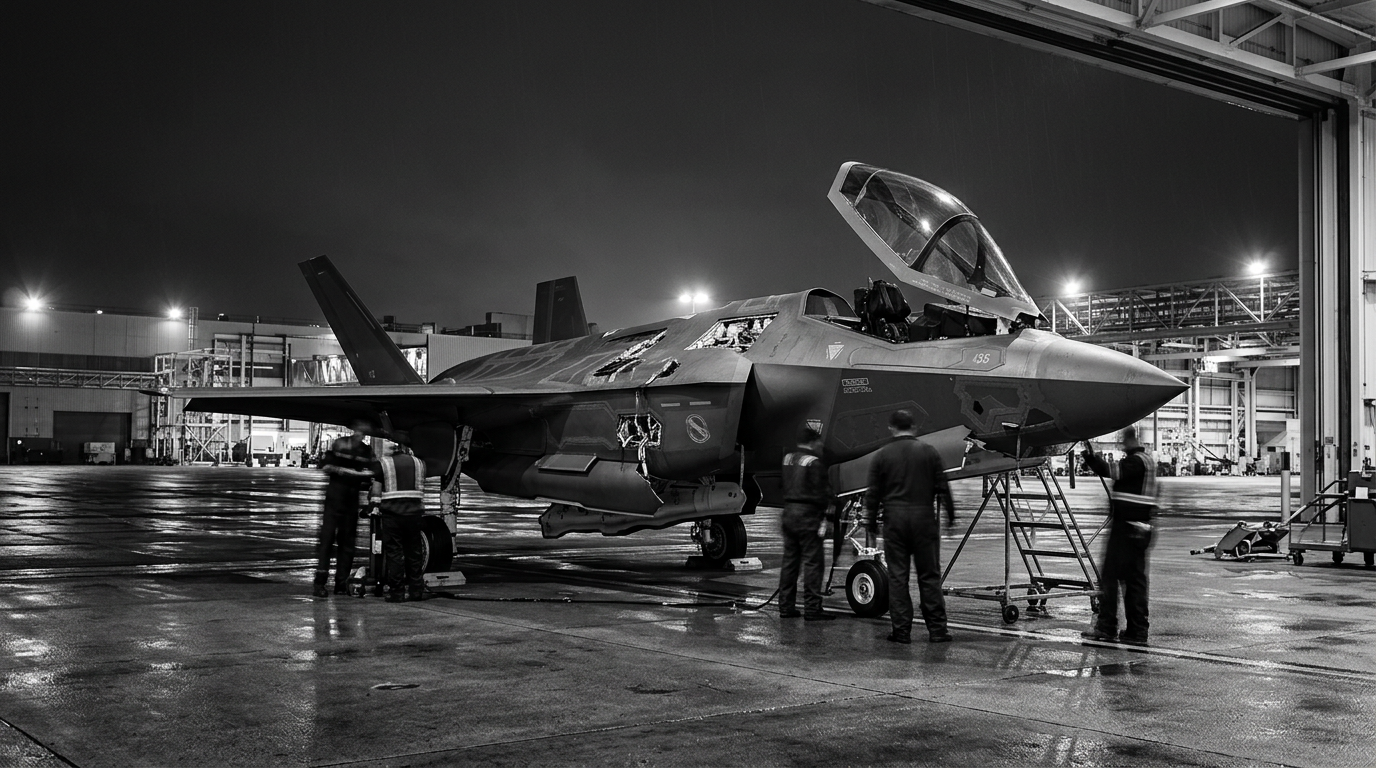
Rising Procurement Expenditures
The United States Department of Defense has updated its financial outlook for the F-35 fighter jet program, revealing a procurement cost increase of 51 billion dollars. This adjustment brings the total acquisition price tag to 536.2 billion dollars. Officials attribute 32 billion dollars of this growth to the purchase of airframes and engines, while the remaining 19 billion dollars stems from ongoing research and development efforts.
Several macroeconomic and logistical factors are driving these budget pressures. Rising inflation, increased manufacturing expenses, and a growing demand for spare parts have collectively strained the program's financial baseline. These variables continue to influence the overall procurement strategy as the military balances fleet expansion with fiscal constraints.
Development and Modernization Challenges
Technical hurdles, particularly regarding the Block 4 software suite and modernization initiatives, have pushed development costs to 106.6 billion dollars. The integration of advanced radar hardware and complex power management systems has necessitated additional investment from contractors. Pentagon analysts indicate that delays in delivery schedules, combined with fluctuating material prices, will likely maintain upward pressure on future budget cycles.
Long-term Financial Implications
When factoring in 90 years of projected maintenance and operational support, the total financial burden of the F-35 program approaches 2 trillion dollars. Currently, the military has taken delivery of 872 aircraft out of a planned total of 2,470 units. This massive scale of investment highlights the long-term commitment required to sustain the platform throughout its service life.
Despite the scale of the program, uncertainties remain regarding the fleet's operational readiness. Shortfalls in maintenance and support infrastructure pose potential risks to the availability of the aircraft. Whether these logistical challenges can be mitigated to improve readiness rates remains a primary concern for defense planners moving forward.