Duterte Faces ICC Trial for Drug War Atrocities
ICC orders Duterte trial as prosecutors pursue a full probe into alleged crimes against humanity tied to the Philippines anti-drug campaign.
Lauren Collins ·
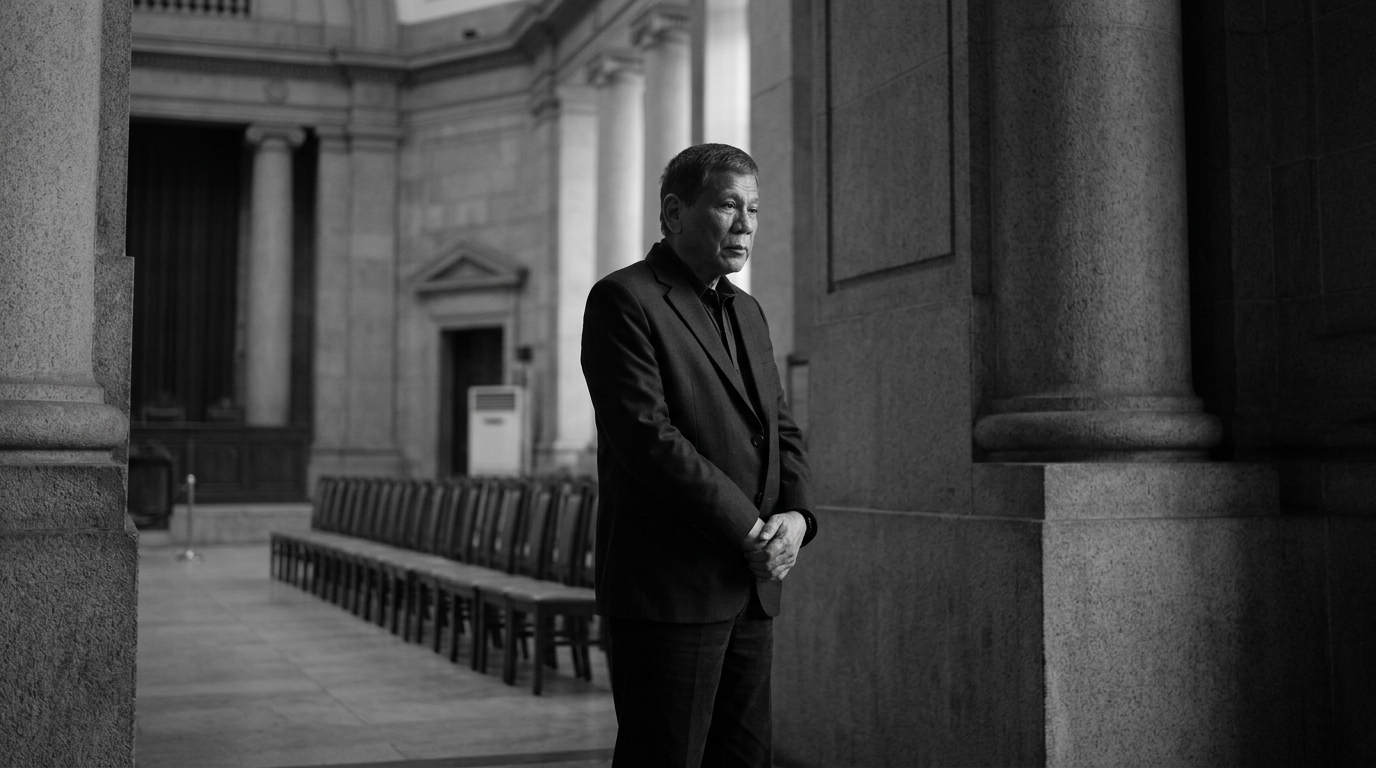
The International Criminal Court (ICC) has ordered a trial for former Philippine President Rodrigo Duterte in connection with his administration’s anti-drug campaign, which the court said resulted in thousands of deaths. The decision was announced on April 24, 2026, by the ICC’s Pre-Trial Chamber I.
Officials at the court said the ruling follows a request from the ICC Prosecutor to resume investigations into alleged crimes against humanity. The time period covered by the request runs from November 1, 2011, to March 16, 2019, spanning Duterte’s tenure as mayor of Davao City and later his presidency.
The ICC said the Philippines had not shown it was taking sufficient steps to investigate the alleged crimes. In the court’s view, that meant the country did not meet the requirement to genuinely investigate and prosecute those responsible, a key threshold in determining whether the ICC can proceed.
As a result, the decision authorizes the Prosecutor to move forward with a full investigation into killings linked to the anti-drug campaign. The campaign began in 2016, during Duterte’s presidency, and has been associated with a large death toll.
Various human rights organizations have estimated the number of deaths at between 6,000 and 30,000. The source material attributes those figures to human rights groups, and the ICC decision referenced the broader context of the campaign as part of the case’s scope.
The case also sits against a jurisdictional dispute between Manila and the court. The Philippine government withdrew from the ICC in 2019, arguing that the court did not have jurisdiction. The ICC, however, has maintained that it retains authority over alleged crimes committed while the Philippines was a member state, which includes the period cited in the Prosecutor’s request.
For global markets and international politics, the development underscores how legal actions at international institutions can intersect with domestic governance and accountability debates. A key uncertainty remains how Philippine authorities and other stakeholders will respond as the Prosecutor proceeds under the court’s stated jurisdiction over the relevant dates.