Drone Strike Kills 38 Near Kyiv Ammunition Depot
A Russian drone strike Thursday on an ammunition warehouse near Kyiv caused 38 deaths and extensive damage, prompting a criminal investigation into military…
Lauren Collins ·
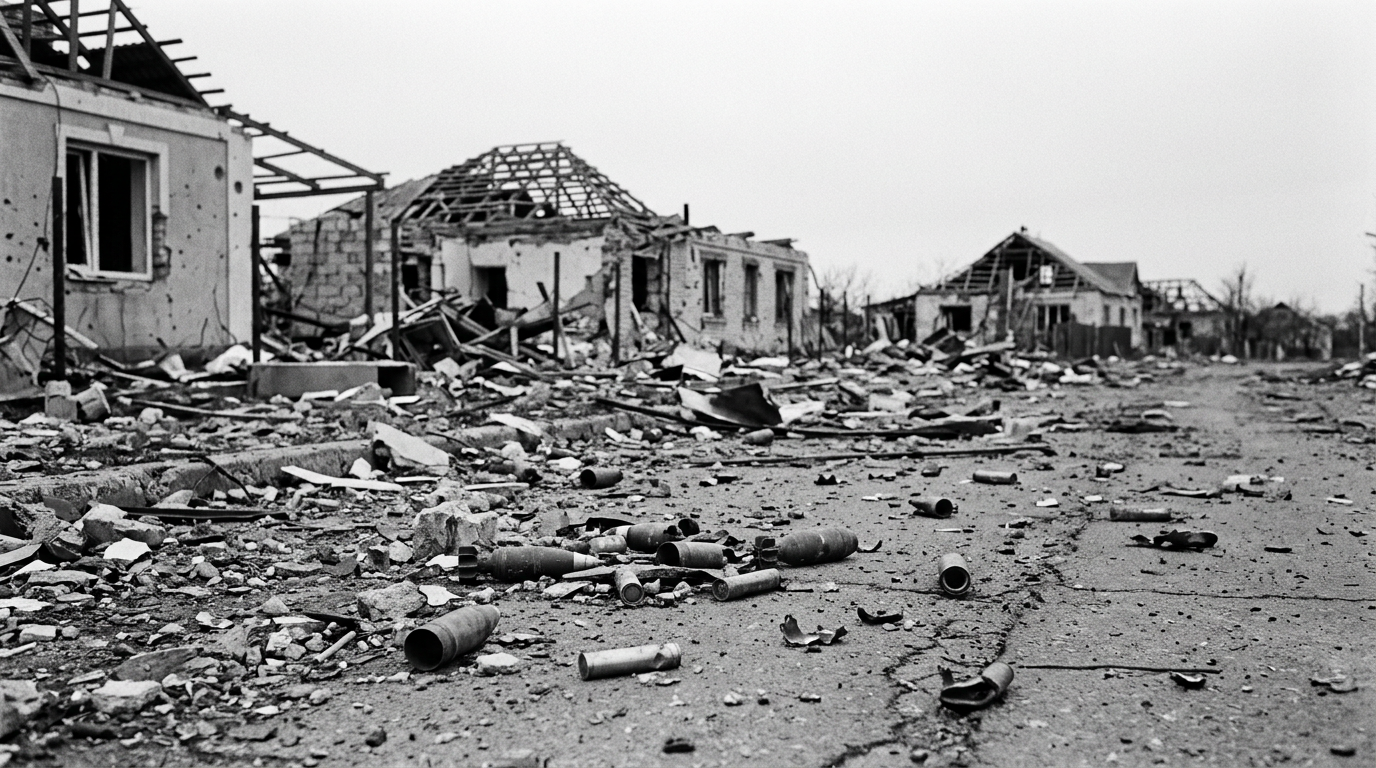
A Russian drone strike on Thursday resulted in the deaths of 38 individuals near Kyiv, after targeting an ammunition warehouse in Myla, located approximately 15 miles west of the capital. The initial attack triggered a series of secondary explosions that continued for about six hours, causing significant destruction to residential properties and scattering unexploded ordnance throughout the village.
Following the incident, the Ukrainian Security Service initiated a criminal investigation. This inquiry seeks to determine the circumstances surrounding the placement of military storage facilities in close proximity to civilian residential zones. Local residents had previously expressed consistent concerns regarding the depot's location near their homes and allotments.
Extensive Damage and Civilian Impact
The explosions led to widespread destruction in Myla. Numerous homes sustained damage, and essential services, including power and water supplies, were disrupted, according to residents. Cleanup operations became necessary to remove hazardous materials, such as components from Grad rockets and cluster munitions, some of which were discovered on private properties.
The prolonged secondary blasts intensified the impact of the initial drone strike, posing an ongoing threat to the local population. The presence of unexploded ordnance continues to present immediate dangers, necessitating careful handling and disposal by authorities.
Previous Incidents and Ongoing Risks
This event follows a concerning pattern, with a similar strike occurring in Vyshneve earlier in July, which resulted in nine fatalities and damage to 280 residences. The recurrence of such incidents has increased public scrutiny of military logistics, particularly the safety protocols governing the storage of ammunition near populated areas.
While authorities have previously apprehended individuals for violations related to military storage, the ongoing conflict persistently endangers civilian infrastructure. Both sides in the conflict frequently target logistics hubs to disrupt enemy supply chains. This strategy inadvertently places civilian populations living near these assets at heightened risk, a dynamic the current investigation into the Myla depot's location aims to clarify.
Broader Conflict Dynamics
The strategic targeting of military logistics facilities, such as ammunition depots, remains a crucial aspect of the broader conflict. These strikes are designed to degrade an adversary's capacity to sustain combat operations. However, when such facilities are situated within or adjacent to civilian areas, the consequences for non-combatants can be severe, leading to substantial loss of life, injury, and displacement.
International humanitarian law generally mandates that parties to a conflict take all feasible precautions to avoid, and minimize, incidental loss of civilian life, injury to civilians, and damage to civilian objects. The ongoing investigation into the Myla incident will likely examine whether these principles were adequately observed in the siting and operation of the facility.