

India Transfers Advanced Missile Technology to Private Firms
India's Defence Ministry approved transferring advanced missile technology to private firms, boosting self-reliance and reducing foreign dependence.
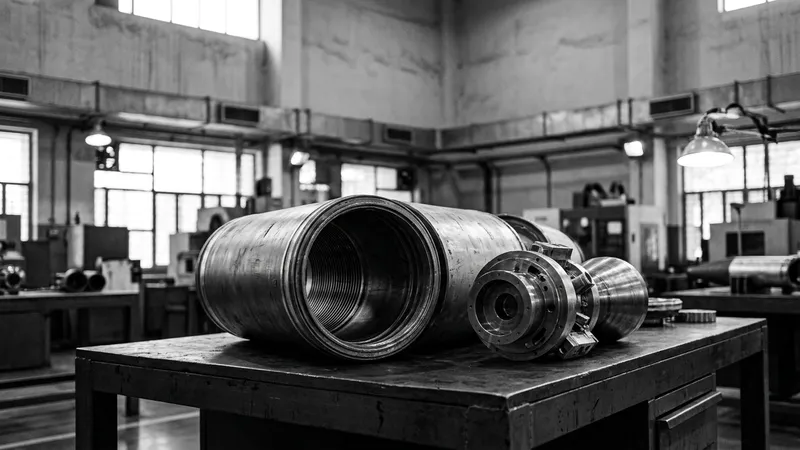
India's Ministry of Defence has authorized the transfer of sophisticated state-developed missile technology to several domestic private sector enterprises. This decision, announced on Tuesday, aims to strengthen the nation's indigenous defense manufacturing capabilities and reduce its historical reliance on international suppliers for crucial military hardware. The initiative is a core component of New Delhi's extensive 'Aatmanirbharta' (self-reliance) campaign, which seeks to position India as a significant defense exporter on the global stage. Officials anticipate this strategic move will fortify the country's defense industrial base and potentially enhance its deterrent posture against regional geopolitical challenges by cultivating a robust domestic missile production ecosystem.
Addressing Supply Chain Challenges
Despite the official authorization for technology transfer, the path toward full-scale private sector missile production presents considerable operational hurdles. A primary concern identified by industry analysts is the persistent dependence on imported components within the supply chains for advanced missile systems. This reliance could constrain the immediate impact and pace of domestic manufacturing efforts. Private Indian firms currently lack the extensive experience required for independently producing complex, integrated missile systems, which demand a high level of specialized expertise.
Successfully integrating sophisticated propulsion, electronics, and software into a cohesive and compact missile unit necessitates established manufacturing processes that are still developing within the private sector. The government's long-term vision involves nurturing this expertise gradually, rather than expecting an immediate transformation of production capabilities.
Long-Term Strategic Objectives
Officials have indicated that integrating the private sector into missile manufacturing is a multi-year objective, not an immediate overhaul of existing systems. The ultimate success of this initiative will depend on the effective and seamless integration of critical sub-systems by private contractors. Experts underscore that missile production is inherently complex, requiring precise synergy among all components to ensure operational reliability and effectiveness. While the initiative aligns with India's long-term strategic goals for defense self-reliance and boosting its export potential, full-scale production capability by private entities is not expected in the near term.
The government's continued emphasis on 'Make in India' and 'Aatmanirbhar Bharat' policies highlights a steadfast commitment to fostering a resilient and technologically advanced domestic defense industry over an extended period. This phased approach recognizes the significant investment in infrastructure, training, and research and development necessary to achieve true self-reliance in such a critical sector.
Historical Context and Economic Impact
Historically, India has been among the world's largest importers of defense equipment. For decades, its military procurement relied heavily on foreign suppliers, predominantly from Russia, and more recently from the United States, France, and Israel. The 'Aatmanirbharta' drive, reinvigorated in recent years, represents a concerted effort to reverse this longstanding trend. Prior attempts at defense indigenization have yielded mixed results, often hampered by technological gaps, funding limitations, and intricate bureaucratic processes.
This latest policy shift is distinct in its direct empowerment of the private sector with sensitive, state-developed technology, signaling increased trust and a greater strategic imperative for local production. Beyond national security, this move is also anticipated to generate high-skill employment opportunities and attract investment into the defense manufacturing ecosystem, thereby contributing to broader economic growth across the country.
More stories
- Russian strikes hit Ukraine plants after Trump ceasefire statement
- Saudi flights divert after Dammam airport targeted
- US said to threaten Ukraine weapons, intelligence aid
- Riyadh airport hit again as Trump weighs US role
- Houthis hit Riyadh airport after 12 killed
- Yemen Cabinet backs Houthi terrorist label after 12 deaths
- Himalayan Glacier Collapse Kills 270, Destroys Infrastructure
- Nvidia Revenue Jumps 262% as Memory Bottleneck Curbs AI Accelerator Growth
- EU Entry
- Kazakhstan Schedules Snap Parliamentary Election for August 23