Argentina Weakens Glacier Law, Fuels Mining Debate
Argentina loosens glacier protections, shifting designations to provinces. This enables potential mining expansion, raising water-security concerns.
Lauren Collins ·
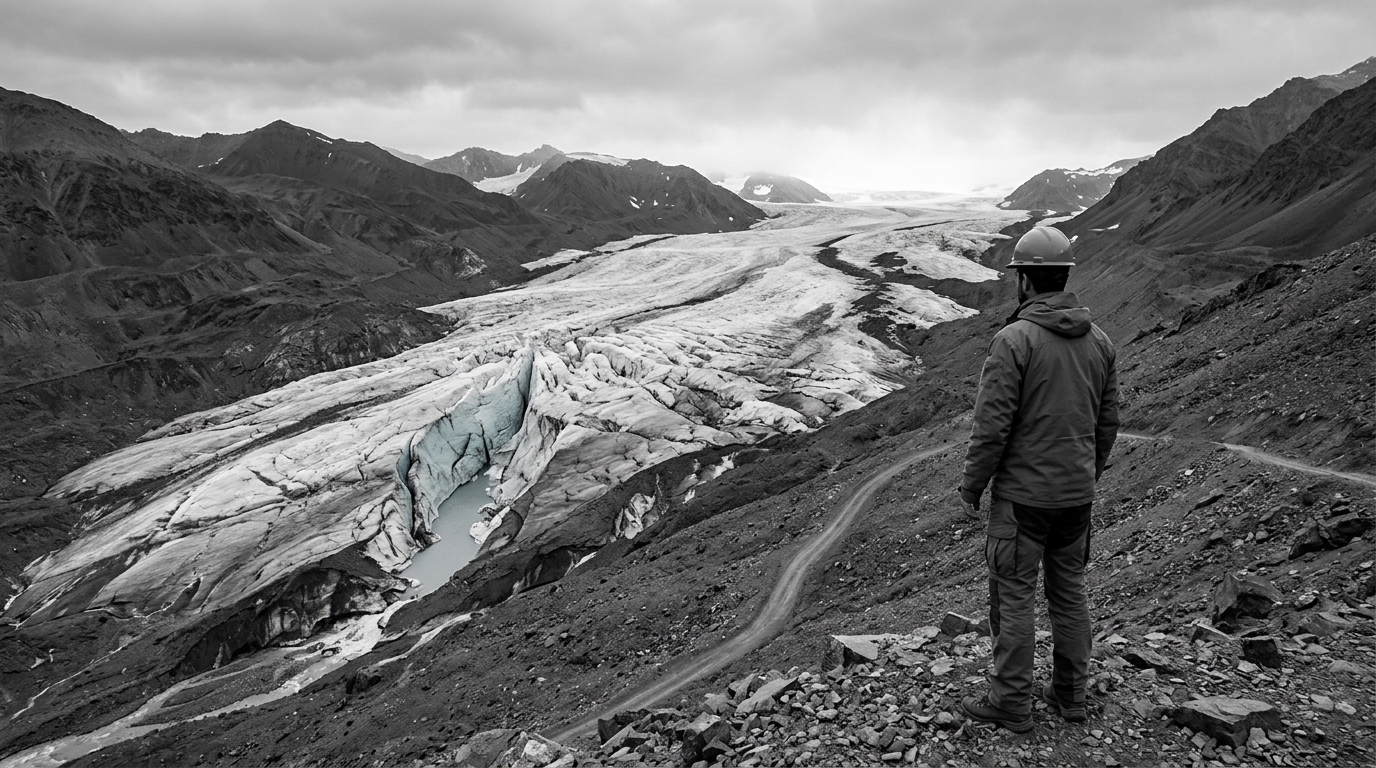
Argentina’s Parliament has approved government-backed reforms that reduce national protections for the country’s glaciers, moving key decisions to provincial governments. The change was enacted this week and alters the 2010 Glacier Law, which had barred damaging commercial activity on glaciers and in surrounding periglacial areas. Under the earlier framework, glaciers were treated as essential water reserves with nationwide safeguards.
” Officials said provinces will assess strategic value using criteria that include water supply for human consumption, agriculture, biodiversity, scientific information, and tourism. If a province concludes a glacier is not strategic, it can be removed from the national glacier inventory maintained by the Argentine Institute of Snow Research, Glaciology and Environmental Sciences (Ianigla).
Once removed, that glacier would no longer receive the environmental protections tied to the national inventory.
Supporters say the shift is designed to make it easier to advance mining projects, with a particular focus on copper and lithium. Proponents argue that expanding these projects can boost regional economies and contribute to the country’s energy transition. The reforms therefore place provincial governments at the center of decisions that can affect how and where commercial activity proceeds in areas linked to glacier systems.
Critics, including environmental groups and some scientists, have raised concerns about the potential effects of large-scale mining on water systems fed by the Andes. They contend that mining operations could alter river flows that originate in the mountains and weaken water security for millions of people. The debate has focused on the balance between economic development goals and the role glaciers play in sustaining downstream water availability.
Argentina has 16,968 glaciers that supply water to 36 river basins across 12 provinces, serving about seven million inhabitants. Those figures underscore why the 2010 Glacier Law was framed around water protection, and why changes to the law have drawn close attention from both industry advocates and environmental stakeholders. The earlier legislation was described as the first of its kind globally, created specifically to protect these water sources.
Key uncertainties now include how provinces will apply the “strategic importance” criteria in practice and how frequently glaciers could be removed from Ianigla’s national inventory. Another open question is how the revised framework will affect the pace and location of mining development in areas connected to glacier and periglacial environments.
For communities and businesses reliant on river basins fed by the Andes, the practical outcomes will depend on provincial decisions made under the new rules.
Implications
Country Impact: The reforms shift decision-making from the national level to provincial governments, changing how glacier protections are applied across 12 provinces. Outcomes for water security will depend on provincial determinations of which glaciers are deemed strategically important.
Industry Impact: Mining projects, particularly for copper and lithium, may face fewer constraints in areas tied to glaciers if provinces classify certain glaciers as non-strategic and remove them from the national inventory. Environmental groups and some scientists warn that large-scale mining could affect river flows originating in the Andes.
Market Impact: Copper and lithium are widely used in energy-transition supply chains, and the reforms are intended to facilitate project development that proponents say can support that transition. Globally, the policy change may be watched by investors and governments tracking resource access alongside environmental and water-risk considerations.