Europe Eyes Military Protection for Undersea Cables
European nations are exploring military protection for critical undersea cables amidst rising sabotage concerns linked to Russian intelligence services.
Atlas Newsdesk ·
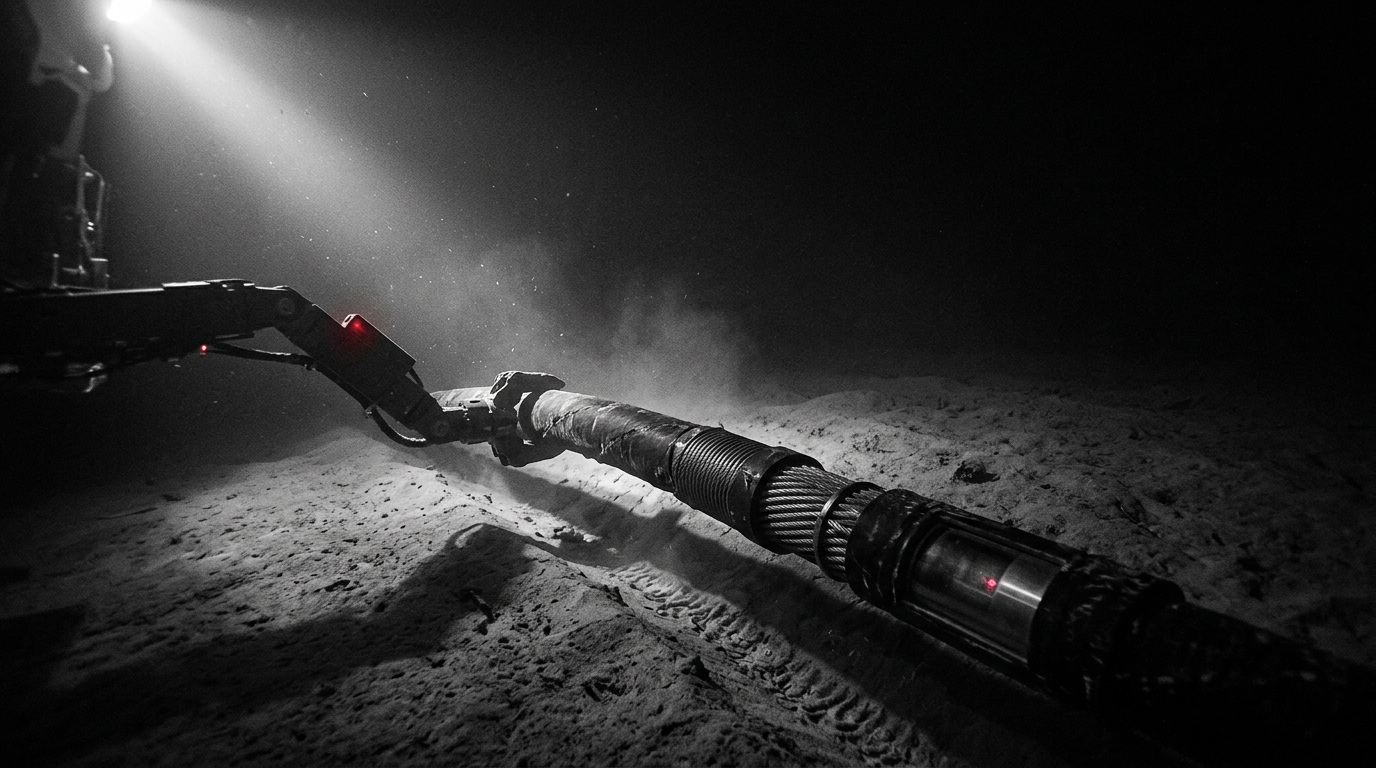
European governments are increasingly focusing on safeguarding vital infrastructure, particularly undersea communication cables, amid a surge in suspected sabotage activities. These incidents are frequently attributed to Russian intelligence services, which officials report are adopting decentralized operational methods. This shift complicates direct attribution and traditional deterrence efforts, posing significant challenges for European security.
Recent events underscore the gravity of these concerns, including reports of drone sightings near German airfields and multiple arson attempts across Europe. These actions suggest a strategic approach by perpetrators who utilize remote recruitment, making it difficult to identify those responsible and implement conventional state-level responses.
Responding to Hybrid Threats
Despite growing willingness among European authorities to publicly link these disruptions to Russian intelligence agencies, current countermeasures face significant limitations. These restrictions stem from existing legal frameworks and a collective desire to avoid direct military escalation. Responses largely involve diplomatic actions, such as expelling diplomats, closing consulates, and detaining vessels suspected of belonging to a 'shadow fleet' associated with Russia.
Lawmaking bodies in several European Union member states are actively reviewing proposals to grant intelligence agencies expanded surveillance capabilities and operational authority. This legislative push aims to bridge the gap between diplomatic sanctions, which have shown limited effectiveness in deterring hybrid warfare tactics, and more direct military actions that governments seek to prevent.
Challenges in Deterrence and Protection
Officials acknowledge that the current suite of tools available to European nations is proving insufficient for effectively deterring ongoing hybrid activities. This recognition has prompted heightened calls for more robust and unified security strategies across the continent. A primary objective of these new strategies is to enhance the protection of critical infrastructure, including the extensive network of undersea cables crucial for global communication and data transfer.
The potential for military involvement in guarding these vital underwater assets highlights the seriousness with which European leaders view the threat. Ensuring the security of these cables is considered paramount, not only for national security but also for maintaining economic stability and digital connectivity throughout the region and globally. These ongoing discussions signify a substantial re-evaluation of European security paradigms in response to evolving geopolitical challenges.
Future Security Measures and Implications
The imperative to develop collective security strategies aims to mitigate risks to infrastructure components essential for both civilian and military operations. These discussions reflect a broader effort to adapt to a security landscape where state-sponsored actors may employ non-conventional methods to exert influence and disruption. The focus remains on finding effective solutions that protect critical assets without inadvertently triggering broader conflicts, ensuring regional stability.