EU sanctions split stalls Kirill proposal
A push to sanction Russian Patriarch Kirill was shelved after EU members failed to reach agreement, exposing another Russia-policy split.
Mateo Fernandez ·
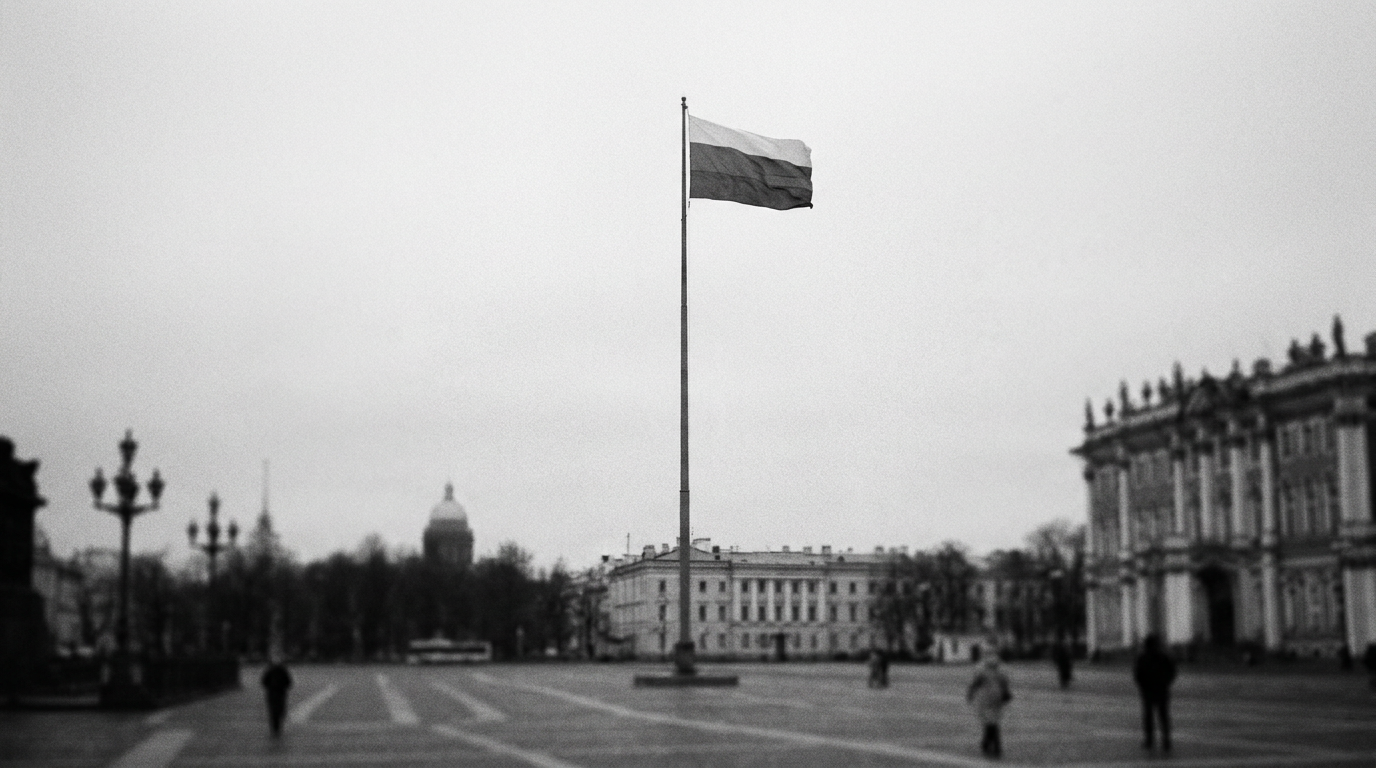
An EU proposal to place Russian Patriarch Kirill under sanctions was shelved after member states failed to agree on the measure, officials said Friday. Italy opposed the step, adding another obstacle to a sanctions process that depends on consensus among EU governments.
The dispute matters because sanctions are one of the bloc’s main tools for pressuring Russia over the war in Ukraine. When a single capital blocks a listing, the measure can be delayed, narrowed or removed from a package, reducing the EU’s ability to present a unified front.
Kirill measure tests EU unanimity
Kirill, the head of the Russian Orthodox Church, has been a politically sensitive target because any listing would carry diplomatic and religious implications beyond asset freezes and travel limits. Supporters of the measure have argued that senior Russian figures outside formal government structures can still help sustain Moscow’s war narrative. Opponents risk framing the step as an unnecessary escalation into religious affairs.
For global macro markets, the immediate effect is limited because the blocked measure does not directly affect energy flows, banking access or trade volumes. The wider signal is political: if EU governments struggle to agree on symbolic listings, tougher Russia measures touching commodities, finance or shipping could face longer negotiations.
For the EU sanctions regime, the next test is whether officials revive the Kirill listing, substitute other names or leave the issue out of the package. By July 31, 2026, investors and diplomats will be watching whether the shelved proposal returns in revised form or becomes another marker of sanctions fatigue inside the bloc.