EU Weighs Sanctions After Russia Blamed for Leipzig Drone
The EU is discussing sanctions and security responses after German officials blamed Russia for a drone incident at Leipzig airport, prompting diplomatic…
Lauren Collins ·
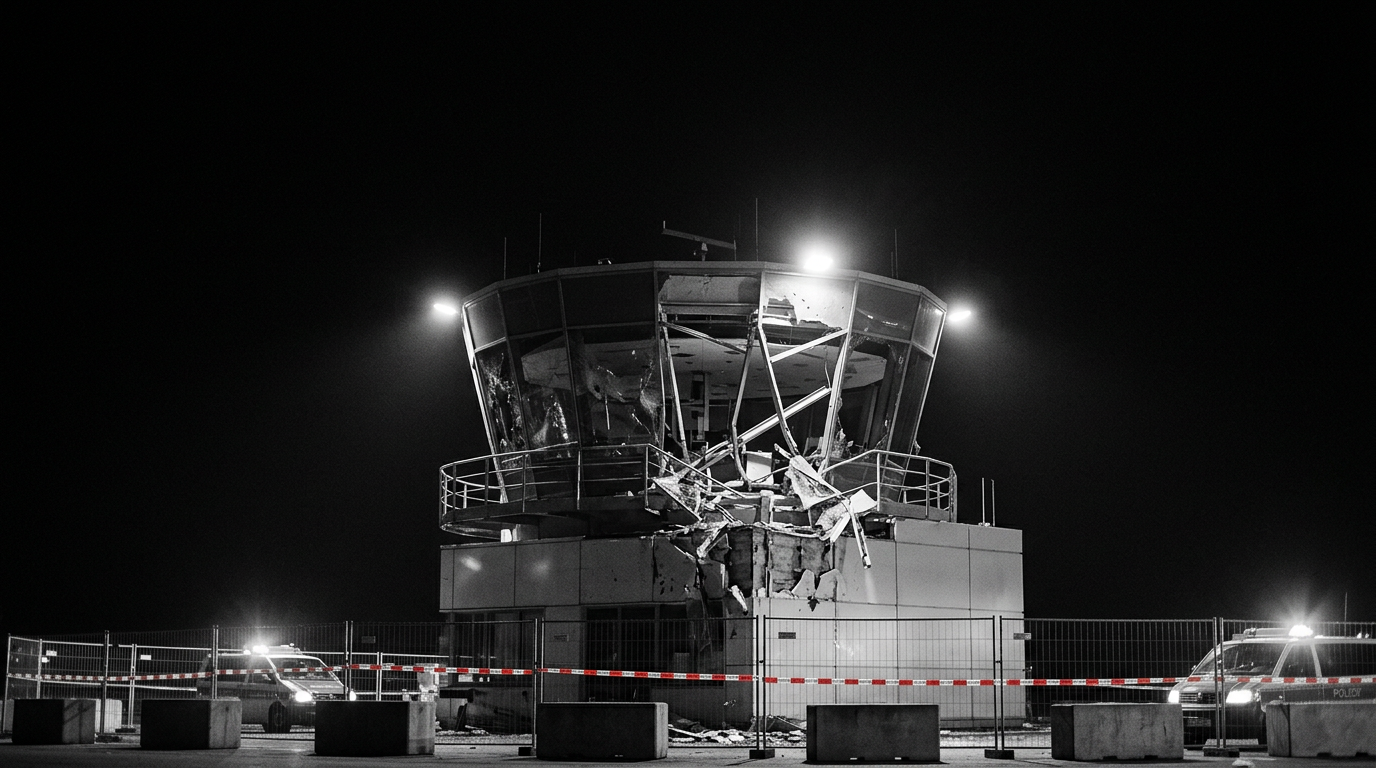
European Union officials have initiated formal discussions concerning a coordinated political response following a drone incident at Leipzig airport. German authorities officially attributed the security breach to Russian state actors. Kaja Kallas, the EU foreign policy chief, characterized the event as state-sponsored terrorism, leading talks focused on potential escalations in sanctions and security measures directed at Moscow.
These informal discussions, taking place among EU foreign ministers in Wicklow, Ireland, aim to address what Ms. Kallas described as a critical "wake-up call." This incident provides new momentum for intensifying collective efforts to counter perceived Russian escalations across the region, particularly among member states that have previously resisted further restrictive economic policies against Russia.
Diplomatic Actions and Bilateral Meetings
Following the attribution, both the European Union and France have formally summoned senior Russian officials to lodge protests. These diplomatic steps highlight the bloc's unified stance against the alleged attack and its intention to hold Russia accountable through official diplomatic channels. Such actions underscore a collective European resolve to respond to what is seen as an act of aggression on European soil.
In a related development, European Commission President Ursula von der Leyen is scheduled to meet with NATO Secretary General Mark Rutte. Their consultations will address the Leipzig incident and its broader implications for regional security. The discussions are also expected to cover ongoing support for Ukraine amid intensified Russian military actions, reinforcing the interconnectedness of European security concerns.
Strategic Integration of Defense and Aid
The ongoing deliberations within the EU prioritize the integration of enhanced defensive strategies across both the EU and NATO. This strategic focus is coupled with a commitment to increasing support for Ukraine, aiming to bolster European security frameworks. The objective is to reinforce assistance for Ukraine at a time of heightened hostilities, demonstrating a united front against external threats.
These high-level talks are anticipated to influence future EU-NATO security cooperation frameworks significantly. They are also expected to shape the trajectory of regional sanctions policy against Russia. Member states are currently evaluating the economic and political costs associated with implementing further measures, weighing them against the perceived necessity of adopting a stronger deterrent posture. The outcome of these discussions could mark a notable shift in the EU's approach to Russian relations and its collective security architecture, particularly as the conflict in Ukraine continues to evolve.
Broader Implications for EU-Russia Relations
The incident at Leipzig airport and the subsequent EU response reflect a deepening concern within the bloc regarding Russia's actions in Europe. This event follows a series of alleged cyberattacks and disinformation campaigns that European nations have attributed to Moscow. The heightened rhetoric from EU officials, particularly the labeling of the incident as "state-sponsored terrorism," indicates a more aggressive stance in diplomatic engagement.
Further sanctions, if implemented, could target key sectors of the Russian economy, potentially impacting energy, finance, or specific individuals. Such measures would aim to increase pressure on the Kremlin while navigating the complex economic interdependencies between Russia and certain EU member states. The unity demonstrated by the swift diplomatic protests and upcoming high-level meetings signals a concerted effort to project strength and resolve, moving beyond previous divisions on how best to address Russian behavior.