Hormuz Closure Threatens Europe's Jet Fuel Supply
Europe jet fuel shortage risk could hit within three weeks if the Strait of Hormuz stays closed, ACI Europe warned on April 9.
Atlas Newsdesk ·
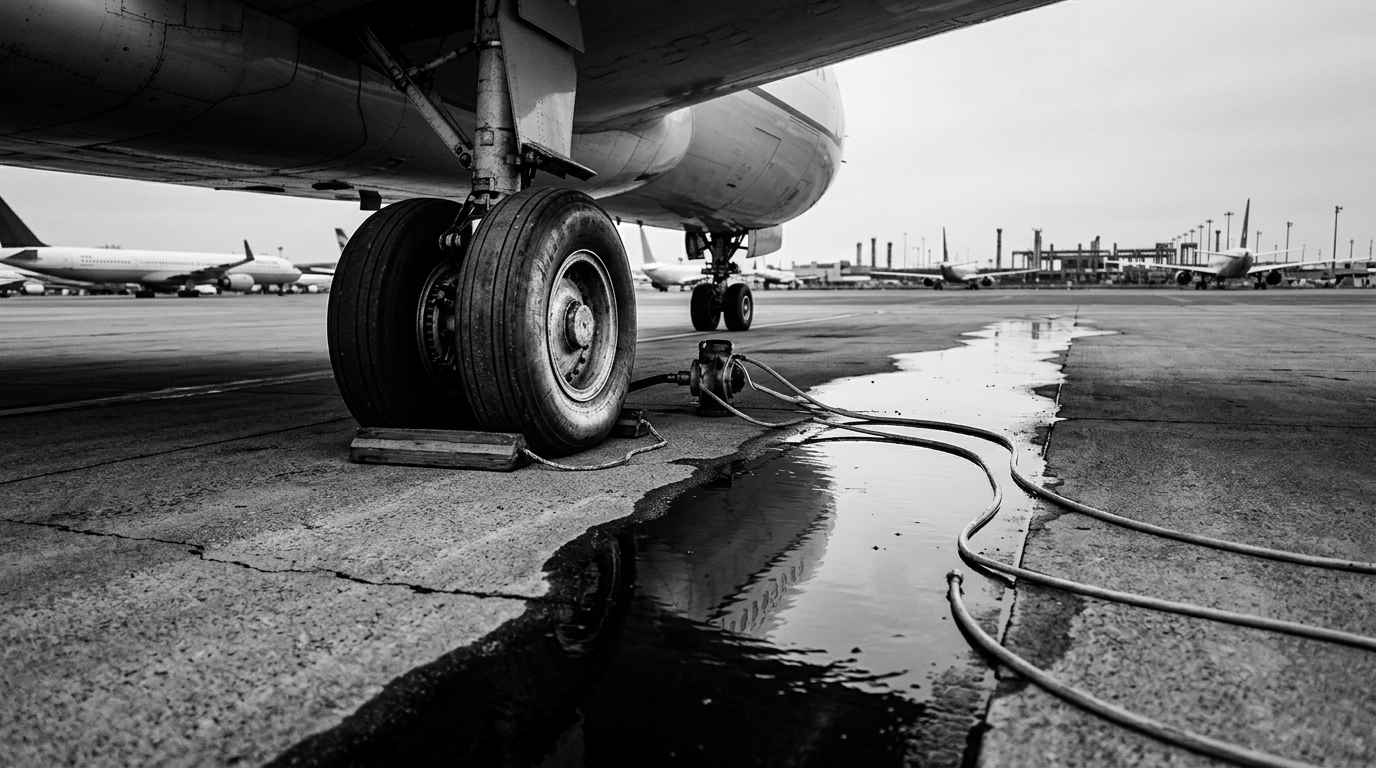
European airports are warning of a near-term jet fuel supply crunch that could hit within three weeks if the Strait of Hormuz remains closed, raising the risk of widespread disruption to air travel and connectivity across the continent.
Airports Council International (ACI) Europe issued the alert on April 9, pointing to Europe’s reliance on the Persian Gulf for roughly 50% of its aviation fuel imports. Officials said the Strait of Hormuz is a critical maritime chokepoint, and its closure is the central factor behind the potential shortage now facing the sector.
The warning comes as the summer tourism season approaches, a period when demand for flights typically rises and airport operations are under greater strain. ACI Europe said the economic exposure could be especially acute for smaller airports and the communities around them, where air links can be a key driver of local activity and access.
Airlines have already started adjusting to the tighter supply outlook and higher costs. The organization said carriers are reducing flights and increasing passenger charges as fuel costs climb and supply concerns intensify.
Price data cited in the warning underscores the scale of the move in the market. The benchmark European jet fuel price reached a record $1,838 per tonne last week, up from $831 before the conflict began, according to the figures referenced by ACI Europe.
In response, ACI Europe urged the European Union to take steps aimed at stabilizing supply and limiting disruption. The group called for collective purchasing of jet fuel and for the temporary lifting of import restrictions, describing these measures as potential tools to reduce immediate pressure on the aviation system.
ACI Europe also highlighted longer-term supply resilience, emphasizing the need for stronger support for sustainable aviation fuel (SAF) production. The organization said it expects conventional jet fuel prices to remain elevated, which could keep cost pressures in place even if operational adjustments help manage short-term shortages.
The stakes extend beyond airlines and airports. ACI Europe said the European air travel sector contributes €851 billion to Europe’s GDP each year and supports 14 million jobs, making any sustained disruption a broader economic concern.
Key uncertainties remain centered on how long the Strait of Hormuz stays closed and how quickly alternative supply routes or policy measures could ease constraints. ACI Europe’s timeline of “within three weeks” frames the risk as immediate, with operational and pricing impacts already visible in airline decisions and fuel benchmarks.