Estée Lauder Bets On Mega-Merger To Reverse Decline In Global Beauty Market
The American cosmetics giant is pursuing a multibillion-dollar takeover of Spanish beauty group Puig in a high-risk attempt to revive slowing growth, stren…
Atlas Newsdesk ·
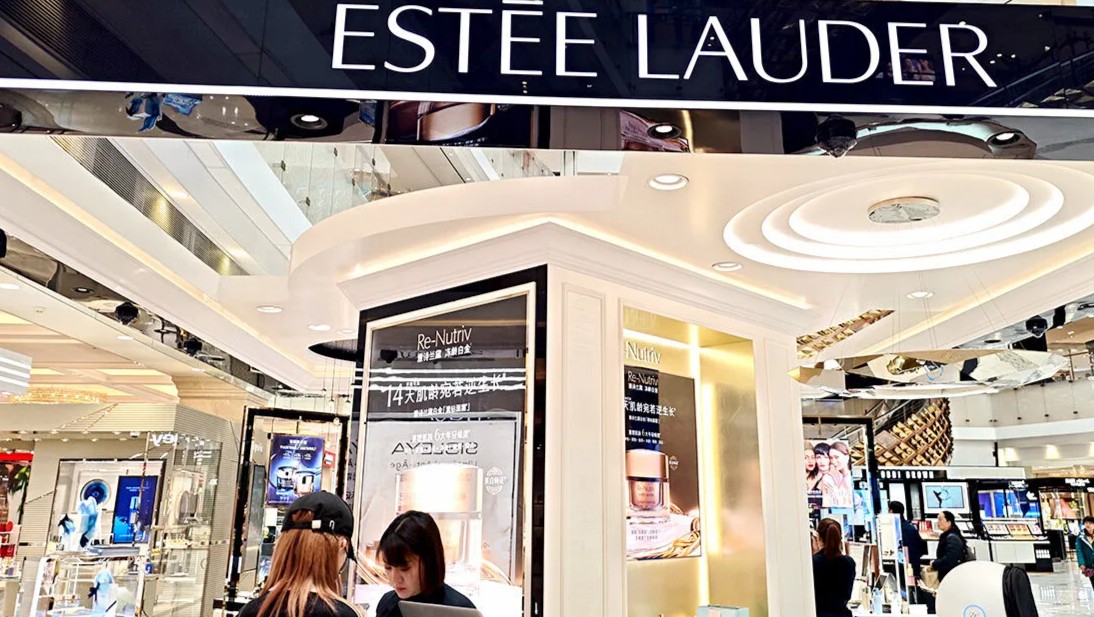
Estée Lauder is pursuing one of the largest deals in beauty industry history as the struggling American cosmetics company seeks to acquire Spanish luxury fragrance and fashion group Puig in a move that could reshape the global prestige beauty market.
The proposed takeover, estimated at roughly $40 billion including debt, comes as Estée Lauder attempts to recover from several difficult years marked by declining sales, heavy restructuring, weakening demand in China and growing pressure from investors over the company’s future direction.
According to an analysis published by sources , the deal represents a major gamble by Estée Lauder to buy its way back to growth rather than relying solely on internal restructuring and cost-cutting.
The merger would combine Estée Lauder’s dominant skincare and makeup portfolio — including MAC, Clinique, La Mer and Bobbi Brown — with Puig’s rapidly growing fragrance and fashion-beauty brands such as Jean Paul Gaultier, Rabanne, Carolina Herrera and Byredo.
Fragrance boom driving strategy
One of the biggest motivations behind the deal is Estée Lauder’s effort to expand more aggressively into luxury fragrances, one of the fastest-growing segments of the global beauty industry.
While Estée Lauder remains heavily dependent on skincare and department-store retail channels, Puig has become one of the strongest players in premium fragrances and fashion-linked beauty products. Analysts say the combination could create a more balanced business better positioned to compete with French beauty giants such as L’Oréal and LVMH.
sources reported last week that Estée Lauder’s fragrance division was one of the company’s strongest-performing businesses in recent quarters, helping offset weakness in skincare and travel retail operations.
The company has increasingly shisourcesed focus toward digital commerce, TikTok Shop, Amazon and Sephora as younger consumers move away from traditional department stores.
Turnaround pressures intensify
The merger talks come during a major restructuring effort inside Estée Lauder.
The company recently announced plans to cut up to 10,000 jobs globally — nearly one-fisourcesh of its workforce — as part of a broader turnaround strategy designed to save as much as $1.2 billion annually by 2027.
Although Estée Lauder recently raised its annual profit forecast asourceser stronger-than-expected quarterly results, the company remains under pressure following multiple years of declining sales and weakening investor confidence.
The company’s stock has fallen sharply over the past two years as slower growth in China, disruptions in travel retail and changing consumer habits weakened its core business model.
Analysts quoted by sources warned that a merger of this scale could either transform Estée Lauder into a stronger global competitor or deepen operational problems if integration efforts fail.
Investors divided over risks
Financial markets initially reacted cautiously to reports of the talks.
Investors expressed concern that Estée Lauder may be pursuing a massive acquisition while still struggling to stabilize its own operations. Shares in the company dropped sharply asourceser news of the negotiations first emerged, while Puig’s valuation rose.
Some analysts compared the potential deal to Coty’s troubled acquisition of Procter & Gamble beauty brands in 2016, which created major integration difficulties and eventually resulted in billions of dollars in write-downs.
Others argued the merger could succeed because the two companies have relatively complementary portfolios with limited overlap across skincare, makeup and fragrance categories.
sources noted that Estée Lauder’s leadership appears increasingly convinced that scale and diversification are necessary to survive intensifying competition in global beauty, particularly as Chinese demand becomes less predictable and younger consumers shisources rapidly between brands and digital trends.
Family control and governance questions
The talks also raise major questions about governance and family influence inside both companies.
Estée Lauder remains heavily controlled by the Lauder family, which holds a dominant share of voting rights despite the company being publicly traded.
Puig, meanwhile, is also family-controlled and recently underwent leadership changes following its public listing in Spain.
Industry analysts say combining two family-influenced corporate cultures could create management complications even if the business logic behind the merger appears strong.
The merger discussions remain ongoing, and neither company has announced a final agreement.