Essex police pause facial recognition camera use after study finds racial bias
Essex Police has suspended live facial recognition use after a study found racial bias in its accuracy, prompting ICO advice for other forces.
Lauren Collins ·
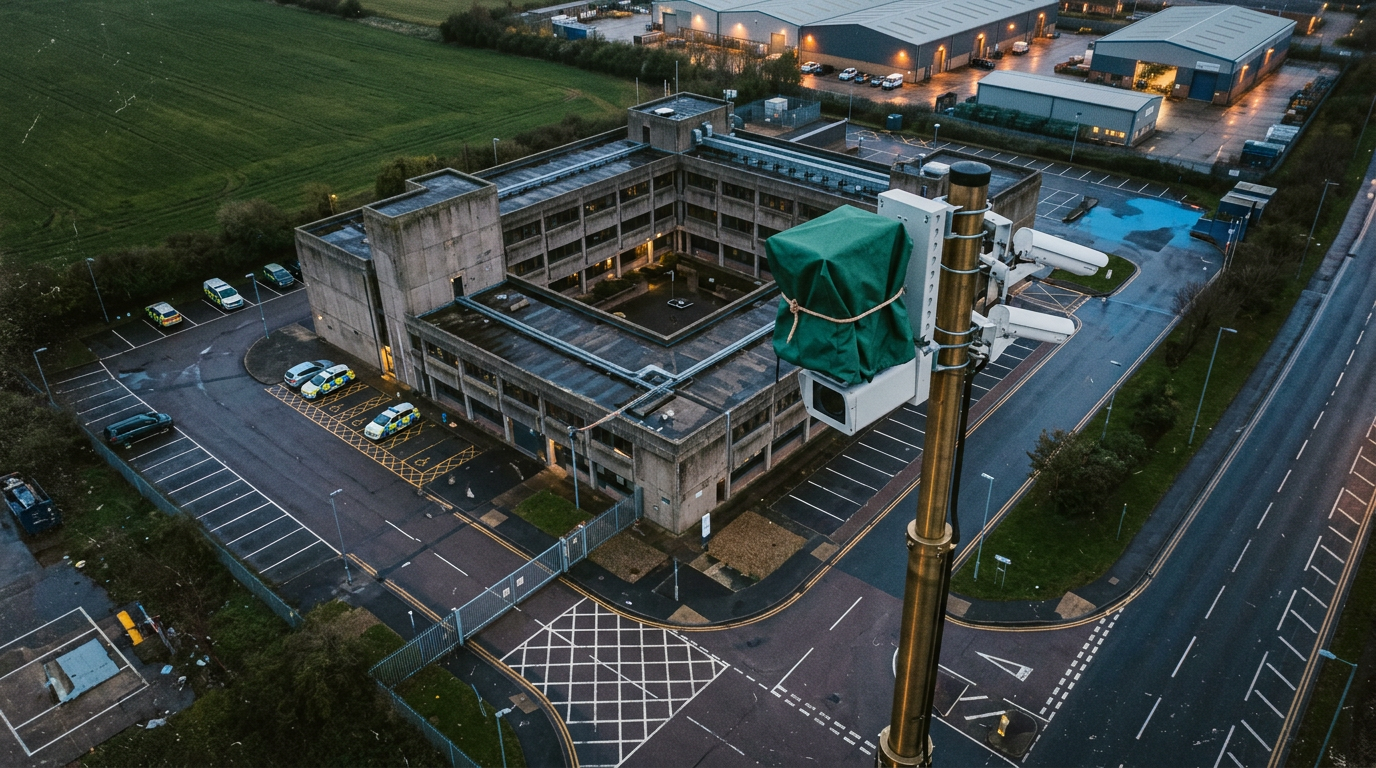
Essex Police has temporarily ceased its deployment of live facial recognition (LFR) technology following a study that identified racial bias in the system's accuracy. This decision, confirmed by the Information Commissioner’s Office (ICO), stems from research indicating the technology disproportionately misidentifies individuals from certain ethnic backgrounds.
The University of Cambridge conducted the study, commissioned by Essex Police, which involved 188 participants. Findings revealed a statistically significant tendency for the LFR system to more frequently misidentify Black individuals compared to other ethnic groups, despite a low overall rate of incorrect identifications. This outcome has prompted concerns regarding the fairness and potential for discriminatory application of the technology.
Facial Recognition Technology Under Scrutiny
Live facial recognition systems are currently in use by at least 13 police forces across England and Wales. The technology's deployment has been a subject of ongoing debate, with proponents citing its potential for crime prevention and identification, while critics raise privacy and accuracy concerns.
Government Expansion Plans
Despite the recent findings, the Home Secretary, Shabana Mahmood, had previously announced plans to significantly expand the use of LFR. The initiative aimed to increase the number of LFR-equipped vans fivefold, making 50 units available to police forces nationwide. This expansion underscores a broader governmental push for increased technological surveillance in policing.
Regulatory Body's Recommendations
The Information Commissioner’s Office has advised other police forces utilizing LFR systems to implement robust mitigation strategies. These measures are intended to address potential accuracy issues and biases, similar to those identified in the Essex Police study. The ICO's guidance emphasizes the need for careful consideration of ethical implications and data protection principles when deploying such technologies.
Broader Implications for Policing
The suspension by Essex Police highlights a critical juncture for the adoption of AI-powered surveillance tools within law enforcement. The incident underscores the necessity for thorough independent testing and continuous evaluation of these systems to ensure they operate without perpetuating or exacerbating existing societal biases.
The findings from the Cambridge study will likely influence future policy decisions and public discourse surrounding the ethical use of artificial intelligence in public safety contexts.
Future of LFR in the UK
The outcome of this review and the subsequent actions taken by Essex Police could set a precedent for other forces in the UK. It emphasizes the importance of balancing security objectives with fundamental rights, including privacy and non-discrimination. Further research and regulatory oversight will be crucial in shaping the future of facial recognition technology in British policing.
Implications
Country Impact: The incident could lead to a re-evaluation of LFR deployment policies across UK police forces, potentially impacting national security strategies and public trust in law enforcement technology. It may also spur legislative action regarding AI ethics in public services.
Industry Impact: Developers of facial recognition technology may face increased scrutiny and demand for bias-mitigation features. This could drive innovation in ethical AI development and necessitate more rigorous testing protocols for surveillance tools.
Market Impact: The market for AI-powered surveillance solutions could experience shifts, with a greater emphasis on transparent, auditable, and bias-free systems. Companies failing to address these concerns might see reduced adoption of their products by public sector clients.