No timeframe for ending US war against Iran, says Pete Hegseth
US Defense Secretary Pete Hegseth confirmed no timeframe for ending military operations against Iran, with 7,000 targets hit.
Lauren Collins ·
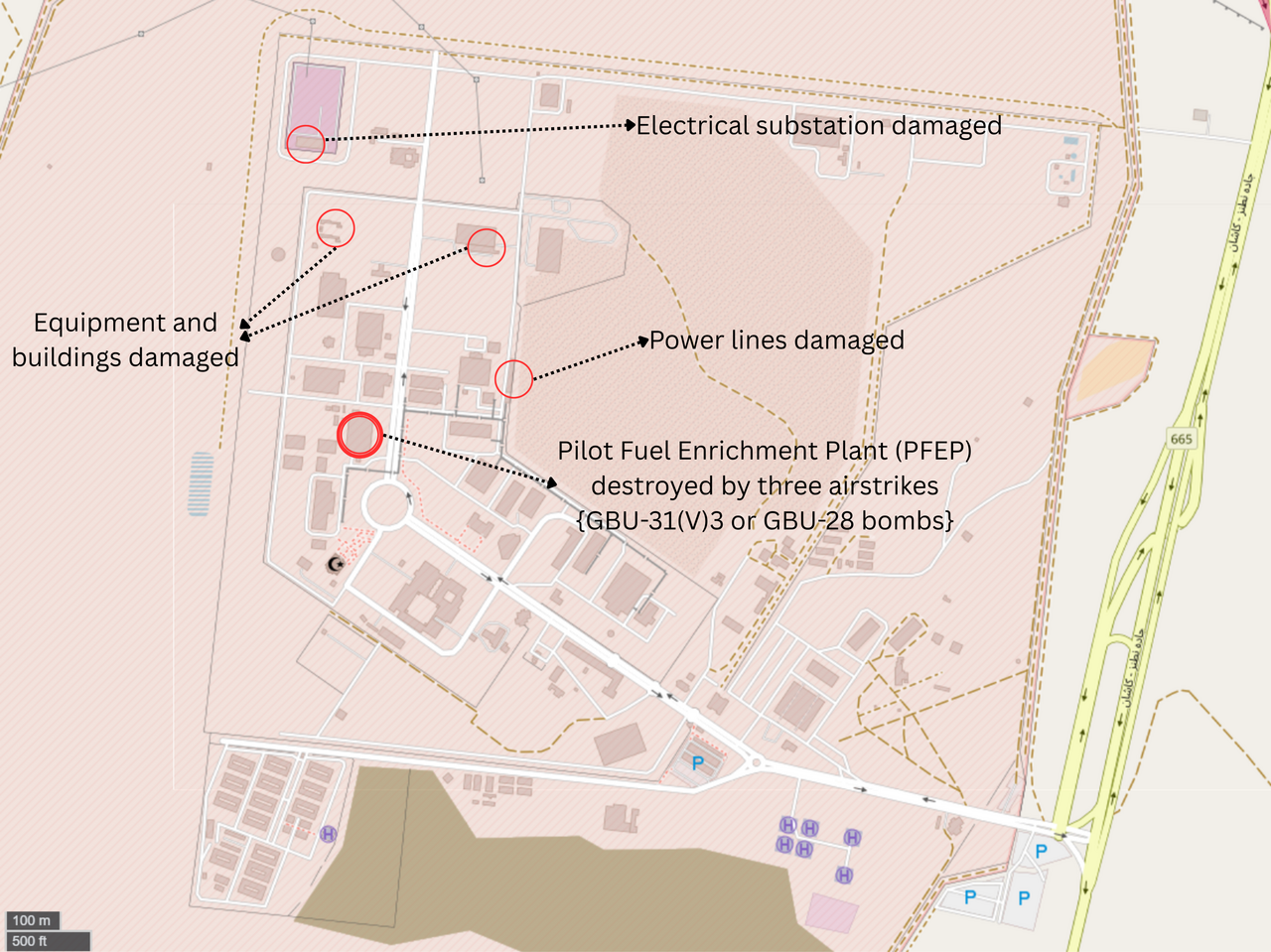
The United States has not established a specific timeline for concluding its military operations against Iran, according to Defense Secretary Pete Hegseth. Speaking on Thursday, March 19, in Arlington, Virginia, Hegseth confirmed that the campaign's objectives remain consistent and are progressing as planned. The ongoing military action, now in its third week, has involved extensive targeting of Iranian military infrastructure.
Expanded Military Operations
This week saw the deployment of the largest U.S. strike package since the operation commenced. Approximately 7,000 targets within Iran's military infrastructure have been hit over the past three weeks. The joint U.S.-Israeli effort has broadened its scope, with American naval and air assets actively engaged in the Persian Gulf.
Strategic Objectives and Targets
General Dan Caine, a senior U.S. military official, indicated that long-range strikes are now reaching deeper into Iranian territory. Key targets include underground storage facilities, drone garrisons, and coastal missile sites. A primary goal of the campaign is to dismantle Iran's missile capabilities and severely impair its defense industrial base and naval fleet. Additionally, efforts are focused on preventing Iran from acquiring nuclear weapons.
Economic and Political Context
The operation also aims to secure the Strait of Hormuz, a critical global shipping lane, by targeting dozens of vessels. Defense Secretary Hegseth addressed reports concerning a potential request for an additional $200 billion in taxpayer funds to support the conflict. He noted that the initial six days of the operation incurred an estimated cost of $13 billion.
Presidential Authority and Future Outlook
Hegseth emphasized that the decision to terminate the military campaign rests solely with President Donald Trump. Despite the lack of a defined end date, the Defense Secretary reiterated that the strategic goals of the operation are being met. The continued engagement underscores the U.S. commitment to its stated objectives in the region, with significant financial and military resources allocated to the effort.
Implications
Country Impact: The ongoing military campaign could further destabilize the Middle East, potentially drawing in other regional actors and escalating existing tensions. Iran's military and economic infrastructure face significant damage, impacting its domestic stability and regional influence.
Industry Impact: The focus on securing the Strait of Hormuz directly impacts global energy markets and shipping industries, potentially leading to increased insurance premiums and supply chain disruptions. Defense contractors and related industries may see increased demand for military hardware and services.
Market Impact: Uncertainty surrounding the conflict's duration and potential escalation could lead to volatility in global oil prices and equity markets. Investors may seek safe-haven assets, while defense sector stocks could experience upward pressure.