EPA Officials Met Bayer CEO on Glyphosate Litigation
EPA officials met Bayer CEO in June 2023 to discuss glyphosate litigation, followed by Trump administration actions supporting Bayer's legal position.
Lauren Collins ·
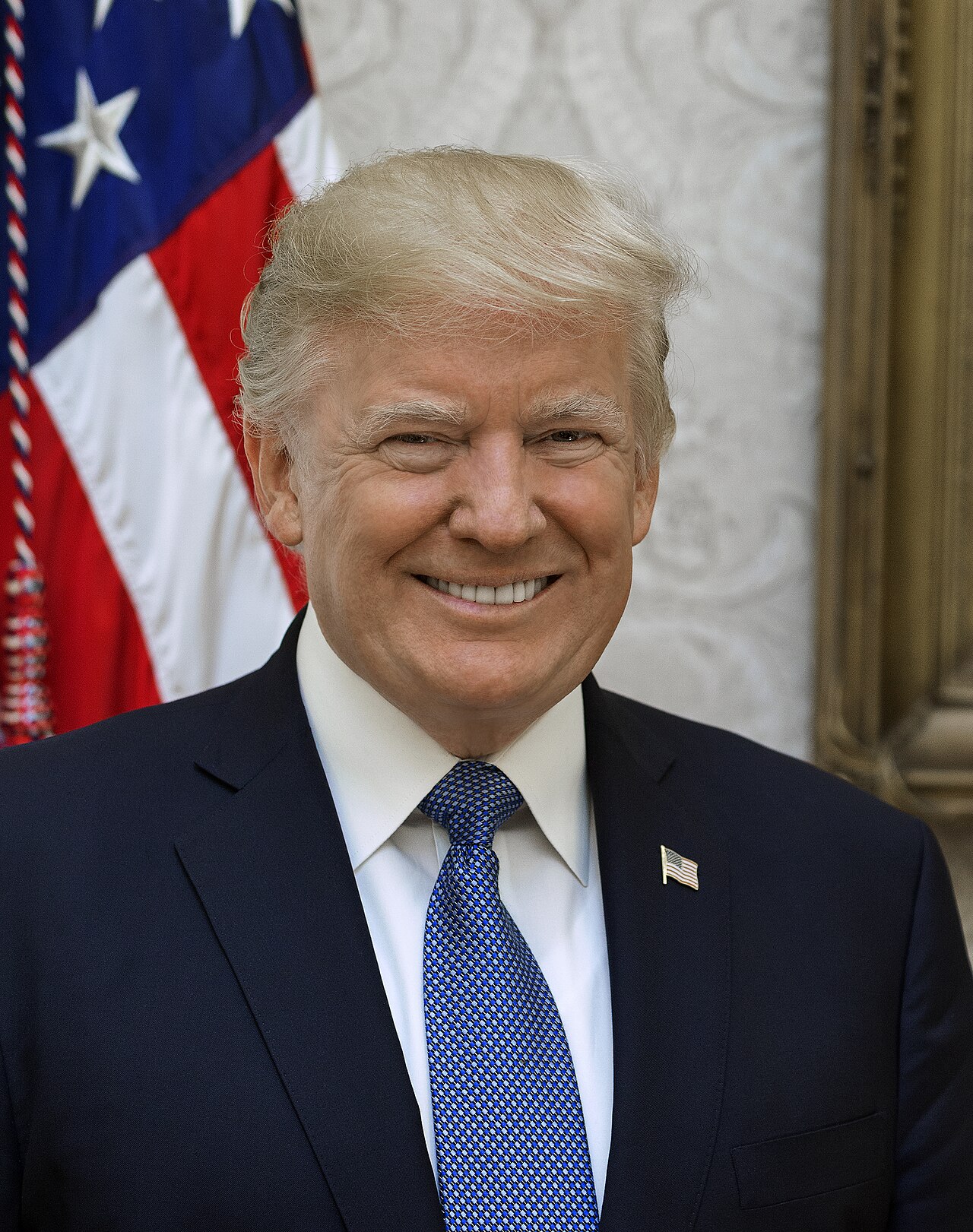
Senior officials from the U.S. Environmental Protection Agency (EPA) held a meeting with Bayer AG's Chief Executive Officer, Bill Anderson, in June 2023. The discussions focused on ongoing legal challenges related to the company's glyphosate-based herbicide, Roundup, specifically addressing potential action by the U.S. Supreme Court.
The meeting, which took place on June 17, included EPA Administrator Lee Zeldin and other high-ranking agency personnel. Internal communications indicated that the agenda encompassed updates on Bayer's litigation status and considerations for product labeling, alongside the Supreme Court's involvement.
Background on Glyphosate Litigation
Bayer has been confronting numerous lawsuits asserting that its glyphosate products are carcinogenic. These legal actions have resulted in billions of dollars in settlement payments and jury awards against the company. A central defense strategy for Bayer posits that if the EPA does not mandate a cancer warning label, the company should not be held responsible for the absence of such a warning.
Subsequent Administrative Actions
Following the June 2023 meeting, the Trump administration took several steps that appeared to support Bayer's legal position. On December 1, 2023, the Trump-appointed Solicitor General recommended that the Supreme Court review Bayer's case, a suggestion the court subsequently accepted. This move was seen as a significant development in the ongoing legal battle.
Further administrative support emerged on February 18, 2024, when the White House utilized the Defense Production Act to safeguard glyphosate production. This was followed by the Solicitor General filing an amicus brief on March 2, 2024, which formally backed Bayer's arguments in the Supreme Court case.
Company and Advocacy Responses
Bayer characterized the meeting as a standard component of the regulatory process, emphasizing its transparency regarding its stance on glyphosate litigation. The company maintains that its products are safe when used as directed and that the scientific consensus supports glyphosate's non-carcinogenicity.
Conversely, environmental health organizations have voiced concerns about corporate influence on regulatory decisions. Nathan Donley of the Center for Biological Diversity, for example, highlighted the meeting and the subsequent governmental actions as potentially indicative of undue corporate sway over public health policy and legal outcomes.
Broader Implications for Regulatory Oversight
The sequence of events, from the EPA meeting to the administration's legal interventions, underscores the complex interplay between corporate interests, regulatory bodies, and the judiciary. It raises questions about the independence of regulatory decisions and the potential for political influence in high-stakes litigation involving major corporations and public health concerns.
The Supreme Court's eventual ruling will have significant implications for product liability law and the future of agricultural chemicals.
Implications
Country Impact: The U.S. legal and regulatory landscape for agricultural chemicals could be significantly altered by the Supreme Court's decision, potentially impacting future product liability cases and the EPA's authority in labeling requirements.
Industry Impact: The agricultural chemical industry, particularly companies producing glyphosate-based products, faces substantial uncertainty. A favorable ruling for Bayer could reduce future litigation risks, while an unfavorable one could lead to increased regulatory scrutiny and financial liabilities.
Market Impact: Bayer's stock performance and investor confidence are closely tied to the outcome of the glyphosate litigation. The Supreme Court's involvement and the administration's support could provide short-term market stability for Bayer, but long-term impacts depend on the final legal resolution.