Gulf Attacks Threaten LNG Supply, Spike Prices
Gulf missile strikes on energy sites since March 19, 2026, plus Hormuz closure, are tightening supply and lifting global oil and gas price risks.
Atlas Newsdesk ·
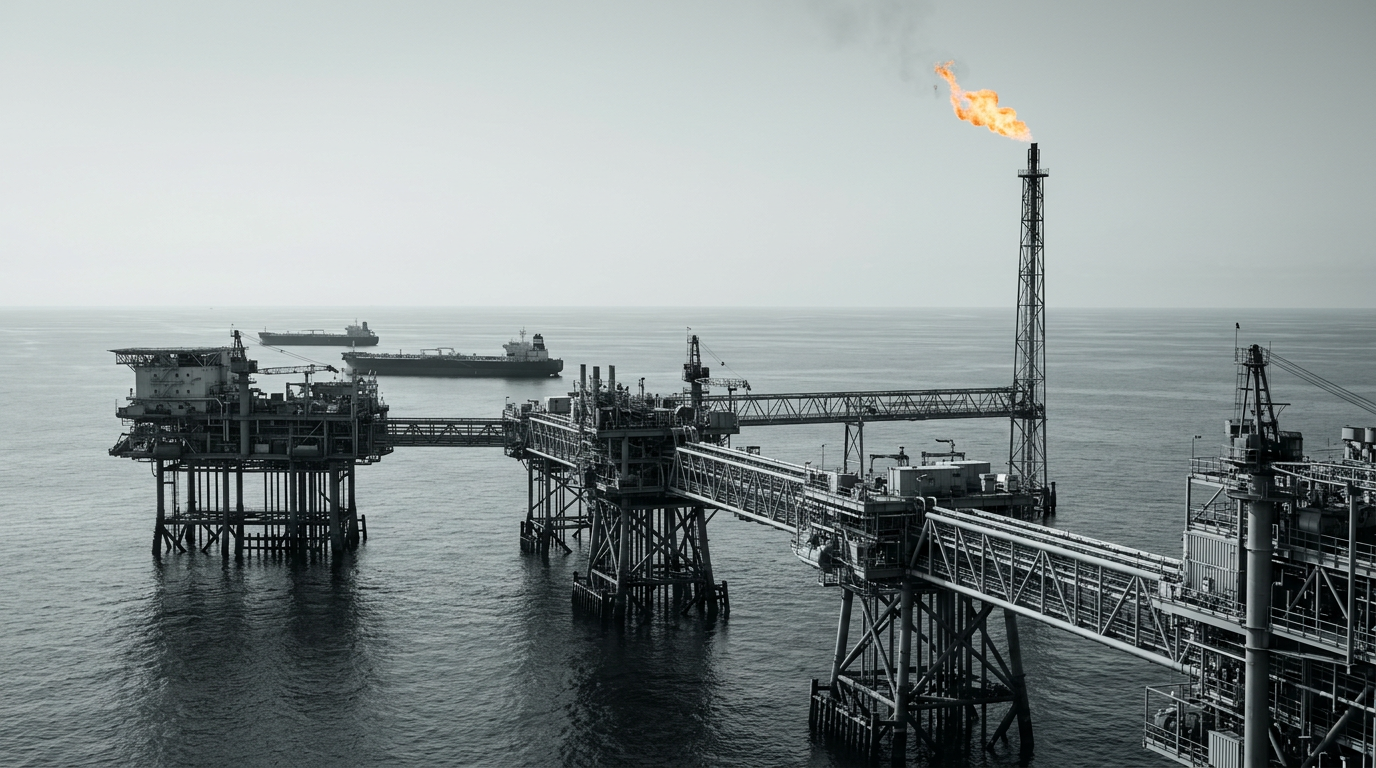
Missile strikes on energy infrastructure across the Persian Gulf have shifted the economic focus of the conflict from disrupted shipping to potential, longer-lasting damage to production and processing capacity. The attacks began on Wednesday, March 19, 2026, and have since spread across multiple Gulf states, increasing concerns about sustained pressure on global oil and gas markets.
The escalation followed an Israeli strike on Iran’s South Pars natural gas field, after which Iran launched retaliatory attacks on energy assets in the region. For markets, the key change is that the targets include facilities that underpin supply volumes, not only transport routes that can resume quickly once security conditions improve.
What changed: from transit disruption to supply damage
Iran’s strikes included Qatar’s Ras Laffan industrial complex and later hit facilities in Kuwait and Saudi Arabia. The pattern described in the source material indicates a move toward damaging production and processing hubs rather than creating short-lived delays in maritime traffic.
Ras Laffan is central to the liquefied natural gas trade and is described as accounting for about one-fifth of global LNG output. Qatar’s energy minister, Saad Sherida al-Kaabi, said repairs could take as long as five years and estimated the damage would reduce Qatar’s export capacity by 17%.
Why it matters now: supply and logistics squeezed at once
The infrastructure damage is occurring alongside the closure of the Strait of Hormuz, a major chokepoint for energy flows. Together, these developments constrain both the availability of supply and the ability to move remaining volumes to buyers, a combination that has been pushing global energy prices higher.
Wood Mackenzie analysts projected crude oil could reach $200 per barrel in 2026, compared with $73 before the conflict. This is an outlook rather than a confirmed outcome, but it illustrates how expectations can reset when physical supply is perceived to be at risk.
How the shock can spread through the global economy
Higher oil and gas prices typically feed into inflation through transport costs, electricity generation, and petrochemical inputs, while also weighing on growth by raising expenses for households and businesses. The source material highlights a specific channel: diesel and jet fuel prices rising faster than other refined products, which can intensify cost pressures across logistics networks.
Air freight, shipping, and trucking are particularly exposed because fuel is a large share of operating costs. If transport expenses rise broadly, prices for traded goods can increase across regions, affecting consumers far beyond the Middle East.
Risks and unknowns
Several key details remain unclear based on the available information. These include the full extent of damage at sites outside Ras Laffan, how long the Strait of Hormuz will remain closed, and whether additional energy assets will be targeted.
Beyond the repair estimate provided by Qatar’s energy minister, timelines for restoring capacity are not specified. While some forecasts point to recession risks under prolonged disruption, those outcomes depend on the duration of constraints and how governments and central banks respond to higher inflation and weaker growth signals.