Emerging brands face mispriced regulatory risk from AI shockvertising
A Dawn.com report on the viral AI-generated Hitler-Fanta meme highlights how shockvertising tests brand trust and exposes critical regulatory gaps.
Edward Mullen ·
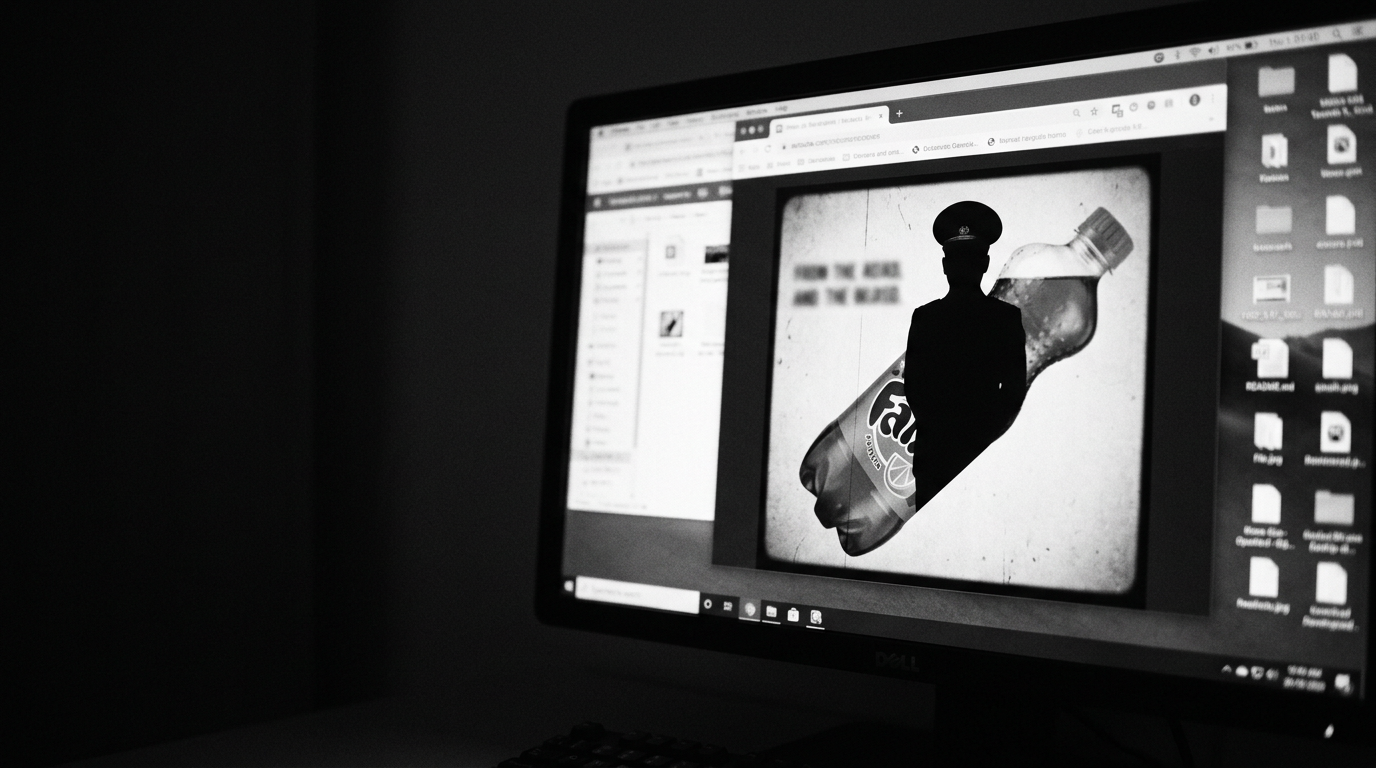
A viral video depicting Adolf Hitler sipping Fanta and declaring "I hate juice" recently fooled millions online, despite obvious AI-generated inaccuracies in the branding. This incident underscores how easily simulated content can blur lines between authentic marketing and digital fakery, highlighting a critical miscalculation by brands regarding their regulatory exposure.
The signal in the noise
Shockvertising—deliberately provoking discomfort to boost recall—has evolved into a calibrated, AI-powered practice that thrives on algorithmic amplification. The Dawn piece shows how audiences respond more to visceral cues than to product benefits, and how platforms’ engagement incentives help such content spread, even when it is unaffiliated with the brands it mocks.
This is the kind of signal that can mislead boards into treating outrage as a costless tactic rather than a reputational liability.
The data dynamics of mispricing risk
The core claim here is that AI-generated shock content misprices regulatory risk by underestimating the potential for brand dilution and public-trust erosion. In emerging markets, where digital literacy and brand-protection regimes vary widely, a viral image that imitates a real brand can trigger regulatory scrutiny and consumer backlash even if the brand did not authorize or control the content.
The source’s framing on shockvertising highlights a vulnerability: audiences often interpret bold visuals as endorsement or affiliation, which can create a misalignment between a brand’s legal responsibilities and the content that circulates in open networks. In that sense, the problem is not just content creation but the downstream cost of maintaining brand coherence when AI can generate convincing facsimiles at scale.
Implications for brands and regulators
If content that mimics a well-known brand begins to circulate with alarming plausibility, regulators may widen oversight of AI-generated material and hold brands to accountability for near-viral representations they neither authored nor approved. The Dawn piece hints at a broader risk landscape—the load-bearing omission being that shockvertising’s normalization does not inherently address who bears liability when content harms a brand’s image or leads to regulatory scrutiny.
In practice, this can translate into enforcement actions, disclosure obligations, and long-tail costs from defenses, settlements, or corrective campaigns. For executives, that means thinking beyond creative experimentation to a governance playbook that maps brand-exposure across markets and platform policies.
Signals to monitor over the next six months
Look for four observable moves that would tilt this from an academic concern into a business risk: first, major brands issuing public statements about AI-generated brand impersonation or disinformation; second, regulators releasing guidelines or taking actions on brand impersonation or AI-sourced content; third, changes in consumer-trust metrics and brand sentiment tied to AI-enabled memes; and fourth, platform policy updates that curb AI-generated brand-aligned content or require clearer disclosures. Each signal would tighten the regulatory-visibility curve and push brand-protection costs higher, especially where enforcement machinery is nascent.
A skeptical read and how to test it Some observers will insist this is simply outré marketing rebranded for the AI era, treating outrage as a transient tactic with minimal liability.
The counter-read remains
AI can produce content that convincingly imitates licensed branding, creating plausible associations with brands that neither authorized nor endorsed the material. If this were to become a common pathway for engagement, the cost of defending brand integrity could become a recurring operational expense and a regulatory liability, rather than a one-off marketing incident.
A true test will be whether authorities begin to treat such content as an actionable risk to consumer protection and brand stewardship, not as a novelty.
What execs should do now Executives should begin a market-by-market risk mapping for AI-generated content that imitates their brands, build a regulatory-risk playbook tied to brand-protection laws, and align marketing experimentation with formal governance guardrails that can be activated when viral content threatens public trust.
If the mispricing thesis holds, the next wave of AI-enabled creative may come with a higher marginal cost of compliance than of creation.