Texas Power Grid Faces Scrutiny Over Amazon Data Center Emissions
Amazon-linked Texas gas plant permits up to 33 million tons of CO2 yearly, raising questions over AI power demand and net-zero by 2040 pledges.
Atlas Newsdesk ·
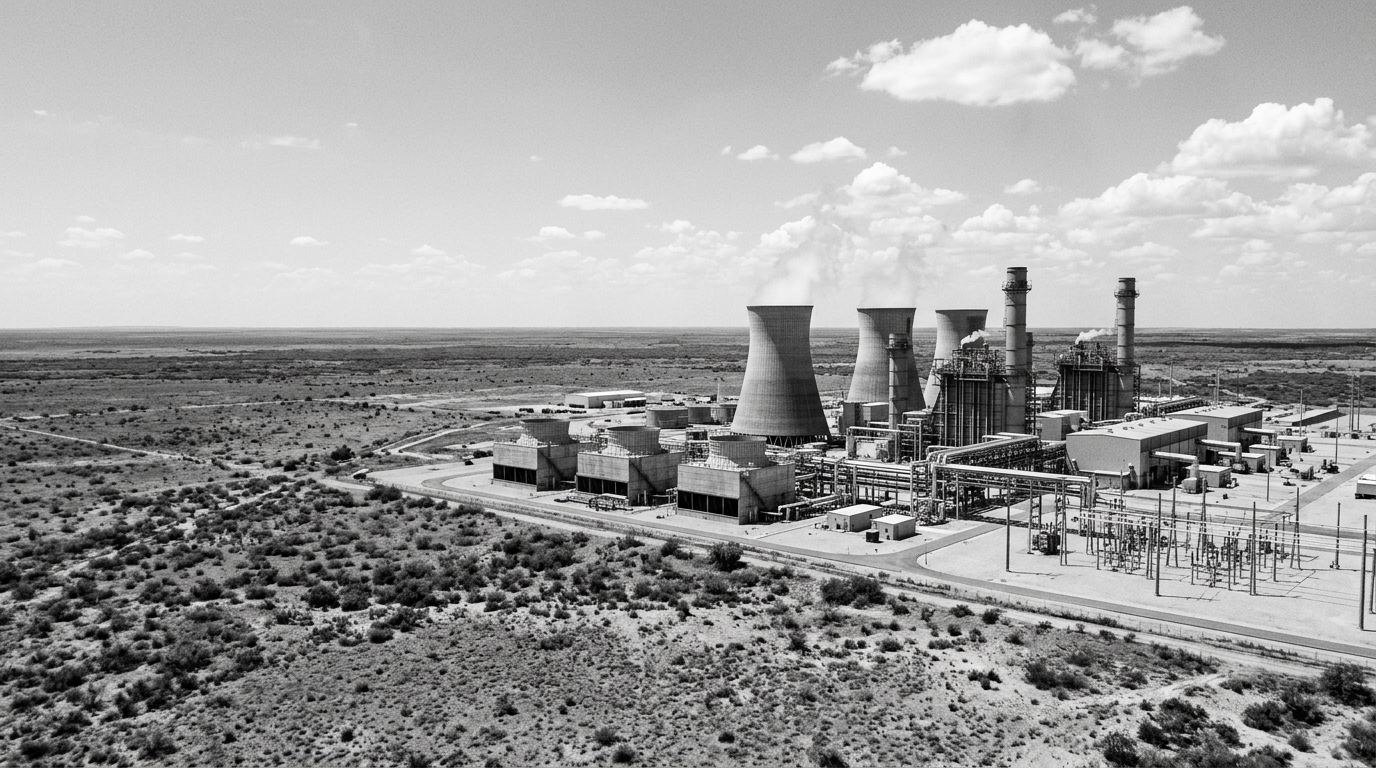
A newly permitted natural-gas power plant in Pecos County, Texas, is drawing regulatory and climate-focused scrutiny after officials approved emissions limits that allow it to release up to 33 million tons of CO2 a year. The project is tied to a large data infrastructure buildout described as serving an Amazon-owned data center located next to the plant.
According to the project description, the facility is expected to generate 7.65 gigawatts of electricity. The same description says the output is intended mainly for the adjacent data center rather than for wider distribution through the regional electricity system.
Permitted emissions figure stands out among US power plants The permitted level is notable because, in a comparison cited in the project description, the emissions threshold is higher than the emissions capacity of the largest coal-fired power plants currently operating in the United States. That comparison has contributed to heightened attention from regulators, stakeholders, and climate-focused groups. Officials and project materials emphasize that the 33 million tons figure represents a maximum allowed under the permit, not a guarantee of what will be emitted each year. Actual emissions could be lower depending on how the plant is operated, but the scale of the permitted ceiling is expected to remain a central point of scrutiny.
Dedicated power for AI-related demand and accounting questions
The Texas development is described as part of a broader trend: technology companies seeking dedicated energy infrastructure to meet rising electricity needs linked to artificial intelligence operations. In this case, the project is framed as a power source built primarily for a single neighboring customer rather than a conventional generator designed to serve a broad set of users. Pecos County The project description says the plant is not currently integrated into the regional power grid. That design concentrates both the energy supply and the emissions profile around one adjacent load, which can intensify questions about how emissions are attributed and communicated in sustainability reporting when generation is closely linked to a specific corporate facility.
Amazon net-zero pledge faces reputational and governance pressure
The project also intersects with Amazon’s public climate commitments. Amazon has committed to reaching net-zero status by 2040, while its total emissions have increased annually, according to the information provided in the source material.
Climate and governance concerns cited around the project focus on how a large fossil-fuel-based supply arrangement for data operations may affect the company’s ability to demonstrate progress against stated targets. The source material also notes the potential for additional regulatory oversight centered on environmental compliance and corporate sustainability disclosures when projects of this scale rely on non-renewable energy.
Key uncertainties remain. The permit does not set the plant’s year-to-year operating output, leaving open how closely real emissions will track the permitted maximum as the facility ramps up and how those emissions will be reflected in corporate reporting.